What happened: Daesung's comment and the Instagram response
BIGBANG's Daesung has found his Instagram comments flooded with messages declaring 'BTS paved the way' after he praised fellow BIGBANG member G-Dragon at a concert. Koreaboo first reported that Daesung sparked controversy by saying G-Dragon paved the way, a remark that quickly drew attention beyond the immediate audience. The comment did not mention BTS.
According to Koreaboo, Daesung's recent Instagram post was then bombarded with comments asserting that BTS, not G-Dragon, deserve that description. The report notes that most comments under the post were from BIGBANG fans sharing their own love for Daesung, but the wave of BTS-related messages was enough to draw wider notice. Some social media users reacted with shock or disgust at the comment flood, according to posts cited in the report.
The episode matters because it pulls a familiar fandom argument — which artist or group can claim to have opened doors for K-pop's global expansion — into a new flashpoint centred on a passing remark about bandmate loyalty.
Why 'paved the way' is such a loaded phrase in K-pop
Discussing who 'paved the way' is rarely a neutral act in K-pop fandom. The phrase implies a debt or a first cause, and it is often used to argue that one artist's achievements made later successes possible. For fans, it can feel like a way of securing recognition for their favourite group's historical role. For critics, it can flatten a complex story of many artists, producers, companies and audiences contributing across different eras.
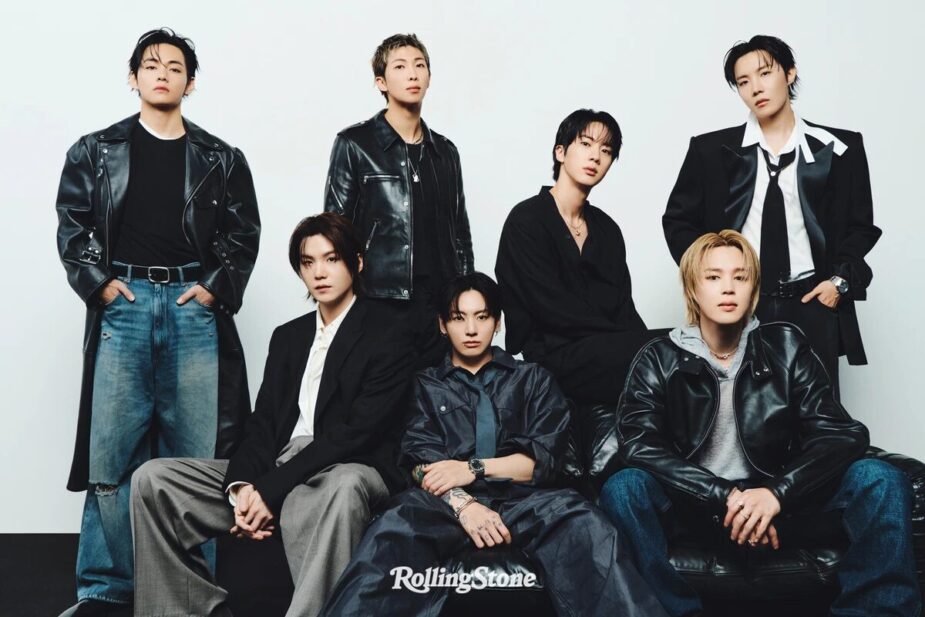
Both BIGBANG and BTS are widely credited with shaping K-pop's international reach in different periods. BIGBANG, a long-established group, are often associated with an earlier expansion of K-pop's aesthetic and audience. BTS are frequently cited for a later wave of global mainstream attention, particularly in Western markets. Those broad outlines are generally accepted, but the moment anyone tries to rank or compare them, the discussion tends to harden into rivalry.
Daesung's remark, made in the context of praising his own bandmate, entered that pre-existing tension rather than creating it from scratch.
From the concert stage to the comment section
The path from a concert remark to an Instagram comment flood is now a familiar one in K-pop. A comment made on stage can be clipped, shared and discussed by fans who were not in the room, and the original context can become secondary to the reaction it provokes. In Daesung's case, the remark was made at a concert, but the visible flashpoint became his Instagram post, which was not where the comment originated.
That shift matters because it turns a social media post into a forum for a debate that started elsewhere. Readers following the story may see the comment section as the site of the controversy, but the underlying trigger was a live remark about G-Dragon. The report does not establish how many of the comments came from which fan group, and the full scale and nature of the messages have not been independently verified.
Social media posts cited in the report include strong language and should be treated as individual reactions rather than a consensus.
Two fan perspectives in the same comment section
Koreaboo reports that BIGBANG fans were actively sharing support for Daesung under the post, meaning the comment section became a site of overlapping fandoms rather than a one-sided pile-on. Alongside that support, messages declaring 'BTS paved the way' appeared in response to Daesung's remark about G-Dragon. The result is a comment thread where two fan communities are making different claims about legacy at the same time.
The report includes social media posts from users who criticised the wave of BTS-related comments, with some describing the behaviour as obsessive or embarrassing. Those posts are individual reactions, not a measure of the wider fandom. What the report does show is that the comment flood was noticeable enough to prompt public commentary, and that the criticism was directed at the behaviour of commenters rather than at BTS themselves.
The distinction is useful: the dispute is about how fans respond to a compliment paid to another artist, not about the artistic merits of either group.
Why praising a bandmate can still be read as a comparison
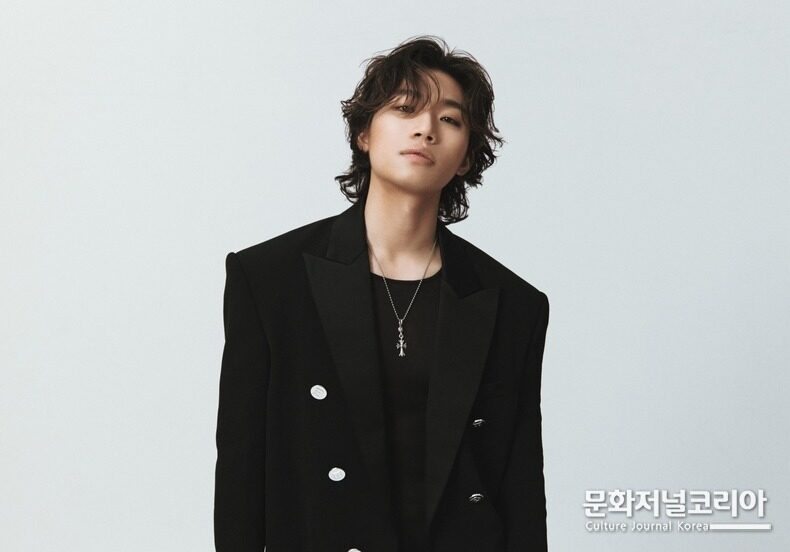
Daesung praised G-Dragon, his bandmate and the group's leader. In K-pop, bandmate tributes are common, and praising a colleague's influence is a familiar part of concert banter. The difficulty is that the phrase 'paved the way' is almost never heard as purely personal. It carries a claim about historical significance, and fans of other groups may hear it as an implicit ranking even when no comparison was intended.
That gap between intent and reception is where the controversy sits. Daesung did not mention BTS, and the report does not suggest he was making a deliberate statement about the group. One social media user described the remark as a joke intended to praise his leader, though that characterisation comes from a fan post and is not independently confirmed.
The absence of BTS from the original comment did not stop fans from responding, which suggests the reaction was shaped by the phrase's existing baggage as much as by Daesung's words.
The pressure on idols' social media
The incident also highlights how idol Instagram posts function as public forums. A post that may have been intended to share a personal moment or promote activity becomes a place where fandom arguments are staged. Daesung's case is not unique: K-pop artists regularly see their comment sections fill with messages about other groups, especially when a remark has travelled from a concert or interview to social media.
The dynamic can put idols in an uncomfortable position, because responding to every fandom dispute is impractical and ignoring them can allow speculation to grow. In this instance, the original comment was about G-Dragon, not BTS, but the comment flood shifted the frame. The practical significance for readers is that a single remark can now generate a cross-fandom conversation that outlasts the moment it was made, and the artist's own social media becomes the visible surface of a debate that started elsewhere.
Takeaway: legacy debates need nuance
Ultimately, the Daesung episode is less about a definitive answer to who paved the way than about how fans handle competing claims of influence. Koreaboo's report shows a comment section divided between BIGBANG supporters and BTS fans, with onlookers expressing frustration at the tone. The underlying debate about legacy is unlikely to be resolved by Instagram comments, and the phrase itself tends to invite winner-takes-all thinking.
A more useful conversation would acknowledge that K-pop's global story involves multiple generations and multiple contributors, even as fans legitimately celebrate their favourites. Daesung's remark was a bandmate tribute that became a flashpoint; the reaction says as much about fandom fault lines as it does about the artists involved. The source supports a clear account of what happened and how it was received, but it does not support claims about motive or a definitive historical verdict.