Fanbases turn a rumour wave into an organised campaign
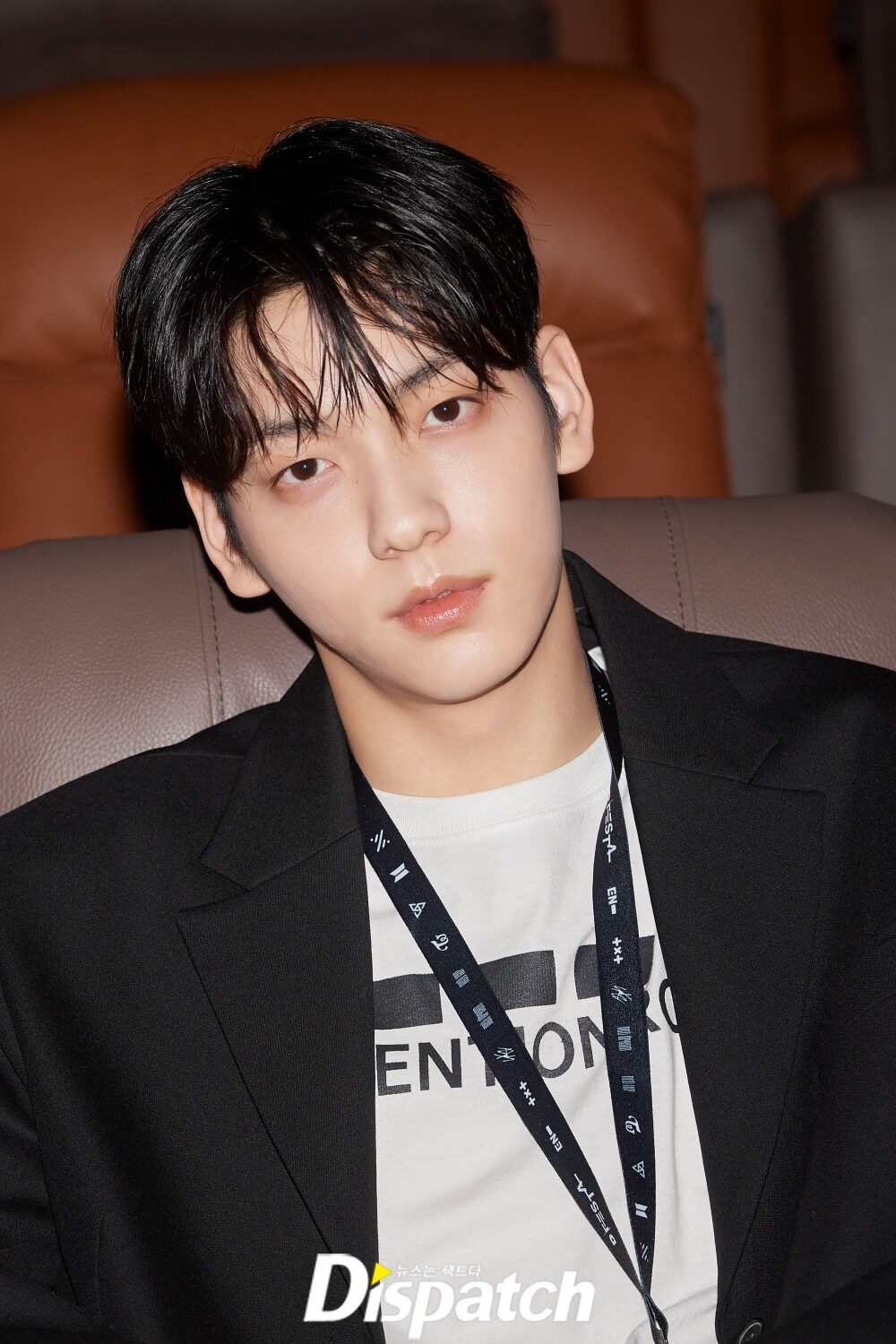
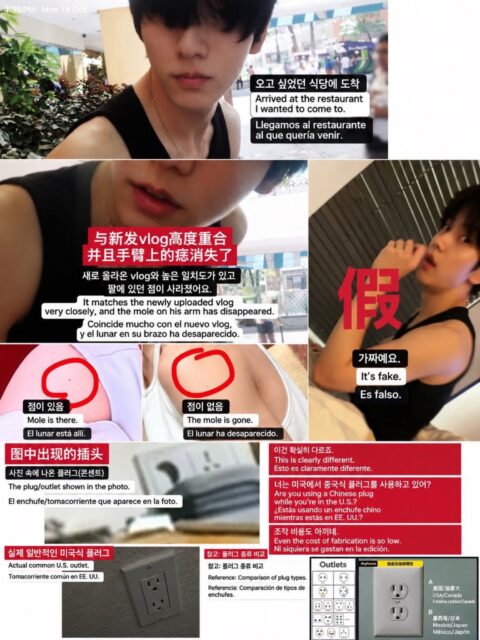
Fanbases of TXT's Soobin have moved from debunking to direct pressure, organising a mass email campaign aimed at HYBE and BIGHIT MUSIC over rumours and alleged explicit deepfake images circulating about the idol. According to Koreaboo's reporting, the images were spread alongside claims about Soobin's private life that originated on Chinese social media, and fans believe the material was generated with AI in order to damage his reputation.
The campaign has taken a recognisable shape. Fan accounts have published email templates so that supporters can send complaints through HYBE's portal in volume, while individual fanbases have posted public demands for a statement and for legal action against the people spreading the material. A post from CHINA SOOBIN BAR addressed to TXT_bighit, BIGHIT_MUSIC and HYBE_MERCH called for the company to formally address the rumours, sue those responsible and, in the account's words, stop turning a blind eye to repeated harm to the artist.
That combination — template emails, coordinated hashtags and public appeals tagging official accounts — is now a standard piece of fandom infrastructure, and it is designed to be visible to a company's social and legal teams at the same time. The practical question the campaign raises is not whether fans are upset, which is plain, but what a label can reasonably be expected to do when the material at the centre of a story is alleged to be synthetic.
Koreaboo's report did not include a company statement on the matter. Because it concerns unverified allegations about an artist's private life, this article does not repeat the underlying claims or treat them as established.
What the fan campaign is asking for, specifically
The demands divide into three parts. The first is a public statement from the company acknowledging that rumours are circulating and setting out its position. The second is legal action — fans want suits pursued against accounts and sites that published the allegations and images. The third is a broader change in approach, with supporters arguing that this is part of a pattern of malicious material aimed at the artist rather than an isolated incident.
Those goals are not equally achievable on the same timetable. A statement can be issued quickly but commits the company to a narrative it may not be able to verify. Legal action in defamation or privacy cases tends to move slowly, and it depends on identifying the individuals behind anonymous accounts, often across jurisdictions.
A general request for more consistent protection is the vaguest of the three but arguably the one that could change the most over time, because it speaks to how a company allocates resources to monitoring and takedowns.
The fan side of the equation has also become more sophisticated about the mechanics. Rather than simply denouncing the material, accounts have pushed a two-track approach: report the posts through official channels and refuse to share the images further. TXT DAILY NEWS, which circulated the mass-email template, invited supporters to modify it to flag other malicious posts as well, and soobincharts paired its call for legal action with an explicit instruction that people should avoid further sharing the allegations.
That last point matters more than it might seem. Coordinated reporting and non-amplification are complementary tactics, but they pull in opposite directions when a story is already spreading: the same fans who want the material removed also want the company and the public to understand why it is harmful. Managing that tension without feeding the distribution is the hardest part of any campaign of this kind.
Why alleged AI deepfakes change the fan response
The fan argument rests on the belief that the images are not photographs but AI-generated forgeries. That distinction shapes everything else in the campaign, because a fabricated image can be denied in a way that a genuine one cannot, and because the harm is arguably done at the moment of circulation rather than at the moment of creation.
It also shifts where responsibility is understood to sit. If the material is synthetic, then the people who made it, and the platforms that hosted it, are the obvious targets rather than the person depicted. Fans have leaned on this reasoning heavily, framing the episode as an attack on an artist rather than a revelation about him.
Whether any given image is authentic is a technical question that cannot be settled by assertion on either side, and it is not a question this article attempts to answer. What is clear is that deepfake technology has made the claim of fabrication newly plausible in cases where it would once have been dismissed outright, and that in turn has made audience trust a contested resource.
Fans who believe an artist is being targeted and observers who assume images are genuine increasingly look at the same evidence and reach opposite conclusions.
For companies, that creates an awkward structural problem. A label that aggressively denies fabricated material sets an expectation it must meet every time; a label that stays silent allows a damaging narrative to consolidate. Neither path is free, which helps explain why the fan campaign has focused on forcing a decision rather than prescribing exactly what the statement should say.
The Korean industry's deepening deepfake problem
The Soobin case arrives in a period of heightened concern across the Korean entertainment industry about sexually explicit deepfake material targeting public figures. The issue has moved from a niche online worry to a subject of official attention, with authorities and platforms facing sustained pressure to improve detection, takedown speed and criminal accountability.
For idols, the exposure is particular. Their images are plentiful, professionally shot and widely indexed, which gives anyone with the right tools a large supply of source material. Their fanbases are highly organised and fast-moving, which means an allegation can be identified, translated and pushed across platforms within hours — sometimes before a company's own monitoring has registered it.
That asymmetry is the working reality behind campaigns like this one. Fans frequently see material before labels do, and they increasingly expect the company to act on intelligence that the fandom has already gathered. The reverse flow — companies briefing fans through official channels — remains slower and more cautious, in part because legal teams prefer to build a case quietly before saying anything publicly.
There is also a language and platform dimension. Because the allegations here were reported as originating on Chinese social media before spreading further, the material moved through spaces where Korean-language monitoring, English-language fandom translation accounts and Chinese-language rumour networks overlap only partly. Coordinating a response across those environments is materially harder than responding within a single platform.
What a proportionate company response might look like
Labels facing this kind of situation typically weigh a few options: a short statement affirming that legal review is under way, a formal legal notice naming the offence, platform takedown requests, or extended silence. Each carries trade-offs that fans do not always see from the outside.
A statement issued early can calm a fandom but risks giving the allegations more visibility than they had. A legal notice is more substantial but slow, and its deterrent effect depends on actually identifying people. Takedown requests address distribution but not the underlying conversation. Silence protects a company legally but reads to fans as indifference, which is precisely the charge levelled in the campaign's messaging.
The demand for legal action also depends on facts the public does not have. Defamation and privacy complaints require evidence about who published what and where, and the strength of a case built on allegedly synthetic images will hinge on technical analysis as much as on the content itself. None of that is visible in a fan campaign, which is why the gap between what supporters ask for and what a company can announce quickly tends to feel like a non-response.
A more realistic middle ground is process transparency: a statement that does not litigate the rumour but confirms that monitoring and legal review are ongoing. It satisfies the demand for acknowledgment without requiring the company to make factual claims it cannot yet support. Whether HYBE or BIGHIT MUSIC chooses anything along those lines is unknown at this stage.
The discipline question facing fandoms
The instruction not to share the images further is the part of this campaign with the clearest logic, and also the hardest to follow. Every repost, even an indignant one, extends the reach of material the fandom wants gone. Mass reporting works best when the material stays in narrow circulation.
At the same time, fans are being asked to trust that reporting channels and company processes will work without visible evidence that they are working. That is a difficult ask in a fandom that believes it has watched the same harm recur. The tension between wanting to raise the alarm publicly and wanting to starve the material of attention is genuine and unlikely to resolve neatly.
One useful discipline is separating the goal of documenting the harassment from the goal of debunking the content. Fans can log timestamps, account handles and platform responses without reproducing the images themselves — building a case file rather than a signal boost. Several of the accounts in this campaign appear to be working along those lines already, pairing their demand for action with a request that others report rather than redistribute.
For readers following the story, the same principle applies. The most useful thing an audience can do with an allegation about an idol's private life is usually to leave it where it is until there is something verifiable to discuss.
Takeaway
Soobin's fanbases have converted a rumour wave into an organised pressure campaign, using template emails, public appeals and coordinated reporting to push HYBE and BIGHIT MUSIC towards a statement and legal action. The underlying question — how a company should respond to allegedly AI-generated explicit material about one of its artists — is one the wider Korean industry has not yet settled, and it is unlikely to be settled by a single case.
What is already clear is that fans now expect to be treated as participants in an artist's protection rather than bystanders to it, and that expectation will keep colliding with the slower, quieter rhythms of legal process. The campaign's success may ultimately be measured less by the wording of any statement than by whether reporting channels and takedown systems start visibly working.
If you want to keep across how this develops and how the industry responds to deepfake cases more broadly, K-Beats Radio is covering it as the story moves.