
Fresh criticism for A2O LITE after a televised performance
A2O LITE's youngest member, Aijing, has become the focus of renewed criticism after the group performed on the new K-Pop Show on 19 October. According to Koreaboo, viewers praised the performance itself but many objected to the styling, particularly the shortness of the outfit worn by 13-year-old Aijing.
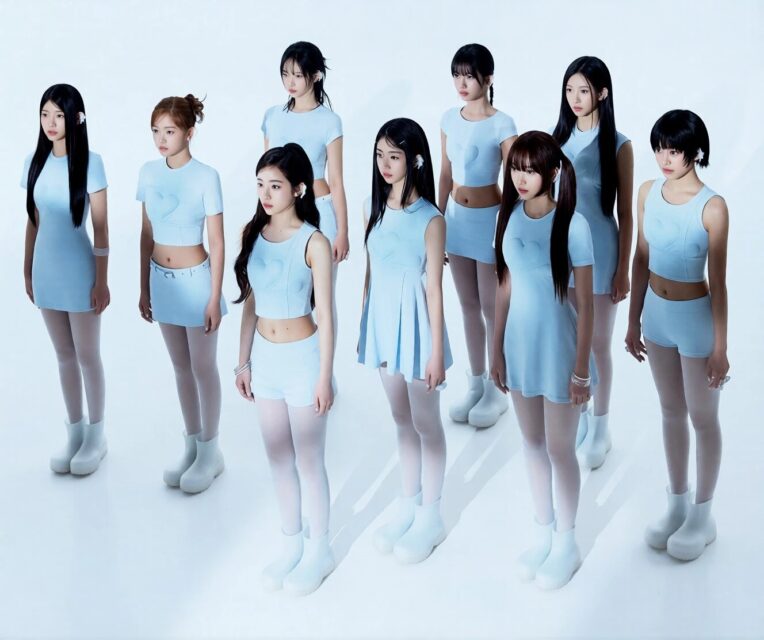
The response matters beyond one stage. A2O LITE debuted recently and has already faced questions about how young its members are. Koreaboo reports that the group has an average age of 15 and includes three 13-year-old members, with Aijing as the youngest. The latest reaction therefore extends an argument that began around the group's launch rather than arriving out of nowhere.
What viewers objected to
Koreaboo describes Aijing's stage look as short shorts worn with safety shorts underneath and a top slightly cropped at the stomach. Safety shorts are a common practical layer in K-pop styling, but their presence did not settle the concerns raised online. Many commenters, as reported by Koreaboo, said the outfit was closer to underwear than stagewear and argued that the group should be dressed in longer, less form-fitting clothes.
The criticism also touched on filming. Some viewers questioned the camera angles used during the performance, suggesting that low shots made the styling feel more uncomfortable to watch. That detail is important because it shifts part of the discussion away from the clothes alone and towards how a broadcast presents young performers on screen.
Koreaboo framed the reaction as an outbreak of disgust rather than a settled verdict. The underlying concern, though, is straightforward: whether the styling and presentation of a 13-year-old performer were appropriate for her age.
Why this is not being treated as an isolated wardrobe choice
Koreaboo notes that this is not the first time A2O LITE's styling has drawn this kind of response. The group's debut itself was accompanied by criticism of its members' ages, and the latest performance has revived those objections rather than creating an entirely new topic.
That pattern explains why the conversation has moved quickly from a single outfit to the wider question of how rookie groups with very young members are presented. When a group launches with an average age of 15, the visual concept, choreography and camera work are all read through the lens of age. A styling decision that might pass without comment for an adult act becomes a test of judgment for a team promoting teenagers.
For readers following A2O LITE, the practical significance is that the group's rollout is now being discussed as much for its presentation as for its music. The performance may have been well received, but the styling has become the story around it.
The wider debate about minors in K-pop
K-pop has a long history of young idols debuting and then being styled in ways that later attract scrutiny. The debate tends to intensify when a group's maknae, or youngest member, is particularly young. In A2O LITE's case, three members are reported to be 13, which means the age question applies across a substantial part of the line-up rather than to one member on the edge of the group.
The criticism reported by Koreaboo reflects a broader unease about applying adult idol conventions to children. Comments compared the look to underwear, asked why a 13-year-old would be dressed that way and argued that young performers should not be styled like adult idols. These are opinions expressed online, not a formal industry ruling, but they point to a real tension between concept-driven styling and the duty of care around minors.
There is also a production dimension. Stage outfits are chosen alongside choreography, lighting and camera direction, and all of those elements combine to create the final image. Viewers who objected to the camera angles were effectively arguing that responsibility cannot be assigned to the wardrobe alone.
What the reaction can and cannot tell us
Online criticism is not the same as a measured public consensus, and the source does not indicate that A2O's agency has responded to the latest comments. No statement from the group, its label or Aijing's family is included in the reporting. That uncertainty should be kept in view: the story establishes that viewers criticised the styling, not that the criticism has produced an official change in approach.
It is also worth separating the performance from the response. Koreaboo reports that many praised the group's performance while criticising the outfits, which suggests the concern is not a rejection of A2O LITE's ability. The argument is about the framing around young performers and whether the industry's visual conventions should adjust when the performers are children.
For now, the most concrete facts are the date of the performance, the members' ages as reported and the nature of the outfits described. The rest is a debate about standards, and that debate is likely to continue as more groups with young members enter the market.
A test for how rookie groups are presented
A2O LITE's situation puts a spotlight on decisions that are often made behind the scenes: what a young idol wears, how she is filmed and how closely a group's concept follows adult templates. Those choices are not incidental to a comeback or a debut. They shape how audiences read the group and whether parents, fans and casual viewers feel comfortable with the presentation.
The latest reaction also shows how quickly a styling moment can overshadow a performance. A group can deliver a strong stage and still find the conversation dominated by wardrobe and camera work. For a rookie act trying to establish its identity, that is a significant distraction.
The question is not whether K-pop should abandon concepts or choreography. It is whether the same visual language should apply regardless of the performers' ages. The criticism around Aijing suggests many viewers believe it should not.
The takeaway
A2O LITE's Aijing is 13, and the outfit she wore on the K-Pop Show on 19 October has renewed criticism about age-appropriate styling for young idols. The performance may have been praised, but the wardrobe and camera angles became the focus of the conversation.
The story is a reminder that debut strategy is not only about music and marketing. For groups with minors, styling and presentation carry an extra layer of scrutiny, and that scrutiny is unlikely to fade while so many young members are part of the line-up.
If you have thoughts on where the line should sit for under-18 performers, the discussion prompt below is the place to share them.