The photo at the centre of the reaction
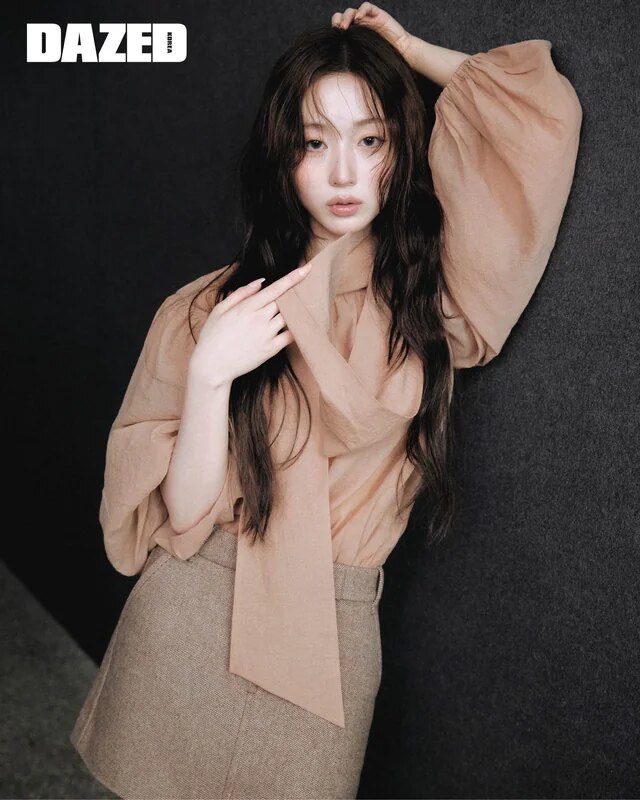
Koreaboo reported on 20 October that a new photograph shared by NMIXX's Haewon on the fan messaging platform Bubble had been reposted across social media, where it drew what the outlet described as huge heartbreak and concern. According to that report, the reaction focused on how much weight fans believed the singer had lost, and on how quickly they felt the change had happened, with many comparing the new image against older pictures of her.
The practical significance sits less in the photograph itself than in what happened to it. An image sent inside a subscription chat became, within a very short window, a public document that strangers were annotating, comparing and arguing over. That shift from a message between an artist and her subscribers to a subject of mass comment is the actual news here, and it is why a single picture generated a story rather than a scroll of likes.
The context the report places around the image
Koreaboo framed the photo as the latest moment in a longer stretch of attention. Its report refers to recent concerns about Haewon's weight loss over the past few months, and the page carries earlier Koreaboo headlines on the same theme, including stories about her proportions and about visuals described as unrecognisable in recent appearances.
Those earlier items are the outlet's own prior coverage rather than new information about her health, but they explain why this particular photo landed on ground that was already prepared for alarm.
What the report does not contain is equally relevant to reading it fairly. There is no statement from Haewon, no comment from JYP Entertainment, and no account of what, if anything, has changed. What exists is an image, a set of comparisons with earlier images, and a large volume of reaction from people who follow her work. Everything in the story that follows rests on that footing.
What fans wrote, and how they wrote it
The responses Koreaboo gathered were not uniform in tone or target. Some were short exclamations of distress at seeing the photo appear in a timeline. One post set an October image beside a February one and called the contrast frightening. Another, longer post said the writer rarely comments on such things and did not feel it was their place, but described a sadness arriving while scrolling, adding that they had heard nothing about the situation and simply hoped she was well.
Others aimed outward rather than at the picture. One reply addressed the fan account that had shared the image and asked what was going on with the singer. Another told the company to intervene, in language that made clear the poster held the agency responsible rather than the artist. A further post anticipated the objection it expected to meet, arguing in advance against anyone who would say her body was her own business, and describing the situation as genuinely worrisome when set against older photographs.
The argument inside the audience
That last response points to the most revealing feature of the reaction: it was partly a dispute among fans about the rules of speaking at all. One position holds that a performer's body is not a legitimate subject for public assessment, however fondly the assessment is meant. The other holds that noticing a change and saying so is a form of care, and that appeals to privacy can function as a way of closing down concern before it is heard.
Both positions contain something defensible, which is why the exchange did not resolve. The first protects an artist from becoming a permanent object of scrutiny. The second refuses to let worry be reframed as nosiness when it is prompted by something fans believe they can see. Interpreted cautiously, the disagreement is less about Haewon than about what a fandom thinks it is for: a space of support, or a space of vigilance, or both at once with no agreement on where the line falls.
The gap between a photograph and a person
Photographs are poor instruments for the kind of judgement being made here. Framing, lighting, lens choice, styling, the cut of a garment and the hour of the day all alter how a body reads in an image, and a comparison set months apart stacks those variables on top of one another. The February-to-October contrast that circulated most widely spans a long period during which any number of unremarkable things could explain a difference in appearance.
None of that makes the reaction insincere, and it would be wrong to present it as a purely irrational outburst. It does mean that the shared premise of the conversation, that a visible change has occurred and that its cause is legible, is an assumption rather than a finding. Without anything from Haewon or her company, the most accurate description of the situation is that a group of fans noticed something in a picture and responded strongly to it.
Why Bubble makes stories like this
Bubble's design matters to how this unfolded. The service is a paid subscription in which artists send messages, voice notes and selfies directly to fans, and its appeal depends on feeling informal rather than promotional. Content posted there carries an implicit promise of candour, which is exactly why a photo from the platform lands harder than a press image or a stage shot released through official channels.
The same design makes that content difficult to keep in context. Screenshots travel instantly to accounts with far larger audiences than the original message reached, and each repost removes a little more of what surrounded the post. Readers encountering the image days later may have no idea what message accompanied it, what else was posted that day, or how the artist framed it. The intimacy that makes Bubble valuable to fans is the same quality that turns its contents into raw material for speculation elsewhere.
What a response could and could not settle
The question hanging over the coverage is what would count as an answer. A statement from the artist or the company would give the conversation an anchor, but it would not automatically close it: some fans would read confirmation, others a managed line, and the images would remain online to be compared again. Nor is there any obligation on Haewon to address her body publicly, and pressing for one carries its own cost.
A more useful focus, and one the current reaction only partly reaches, is where concern is aimed. Worry directed at schedules, working conditions or the support available to young performers is a request that someone with power explain themselves. Worry directed at the shape of one photograph on one afternoon lands entirely on the individual and asks her to account for it. Fans who want their concern to do something rather than simply circulate might ask which of those two the conversation is currently achieving.
That is a judgement about emphasis, not an accusation against anyone who posted.
The takeaway
A single Bubble photo has produced a great deal of feeling and very little verified fact. The episode shows how closely NMIXX's audience watches over Haewon, and how quickly that watchfulness becomes a public verdict that no one involved asked for. Until she or her company says otherwise, the honest summary is that fans saw a picture, reacted strongly, and do not know what lies behind it.
K-Beats Radio will keep to verified developments around NMIXX rather than treating image comparisons as reporting on an artist's health. The more instructive story in the meantime is about the audience itself, and about a community working out, in public and without a referee, where attention ends and commentary begins.