The M Countdown moment that sparked a debate
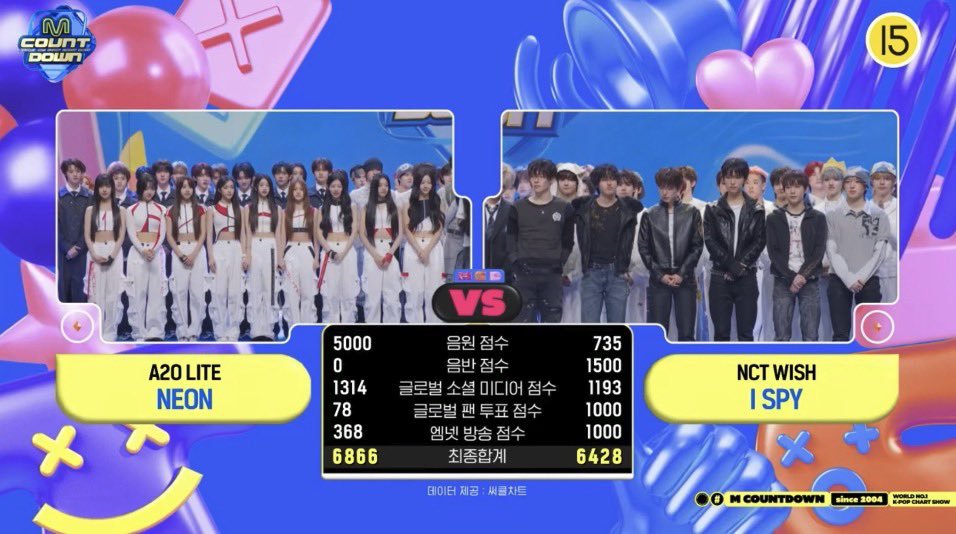
According to Koreaboo's reporting, A2O Lite took home their 3rd win on the latest M Countdown, with NCT WISH as the other first-place nominee. During the winner's moment, A2O Lite member Rada bowed to IVE's Jang Wonyoung, who was standing beside her. Wonyoung nodded back and clapped as the group accepted the trophy. A short clip of the exchange then spread across social media.
The practical significance is not the trophy itself, which was already reported, but the speed with which a few seconds of footage became a viral controversy. The interaction was brief and seemingly ordinary: a junior greeted a senior, and the senior acknowledged her. Yet the clip drew thousands of views and a wave of comments, some criticising Wonyoung's response as cold or dismissive.
The story matters because it shows how closely idol behaviour is watched, and how quickly a small moment can be reframed as evidence of character.
Why viewers read the exchange differently
Some viewers focused on the depth of Wonyoung's acknowledgement. They argued that a nod and applause were not enough when a younger idol had bowed first, and suggested that a fuller bow or a warmer greeting would have been more appropriate. Others saw the same footage and concluded that Wonyoung had behaved correctly: she smiled, nodded and clapped for the winners. The disagreement is not about what happened, but about what the gesture meant.
The circulating clip does not show the full context of the exchange, and neither idol has publicly commented in the source reporting. That gap leaves room for projection. In K-pop, bows are not a single fixed gesture; their meaning depends on the situation, the relationship and the audience. A brief nod between a senior and a junior backstage might be unremarkable, while the same gesture on camera can be read as a slight.
The debate reveals how much fans invest in reading micro-behaviours, and how little a short clip can settle.
The defence: seniority, proportion and a cute moment
Fans defending Wonyoung quickly pointed to the seniority gap. Wonyoung debuted in 2018 and is eight years into her career; Rada was born in 2011 and is part of a newly debuted group. Supporters argued that a senior does not need to bow deeply to every rookie, and that Wonyoung's nod and applause were a proportionate acknowledgement. Some described the interaction as a cute moment that had been ruined by unnecessary hate.
The defence also noted that A2O Lite members were bowing to many people after their win, as a matter of politeness. In that light, Rada's bow was a standard greeting rather than a special appeal for a deeper response. The argument is not that Wonyoung was obligated to do more, but that her response was within the range of normal senior behaviour. For supporters, the criticism felt like a familiar pattern of overreading her actions.
Wonyoung's recurring experience with viral criticism
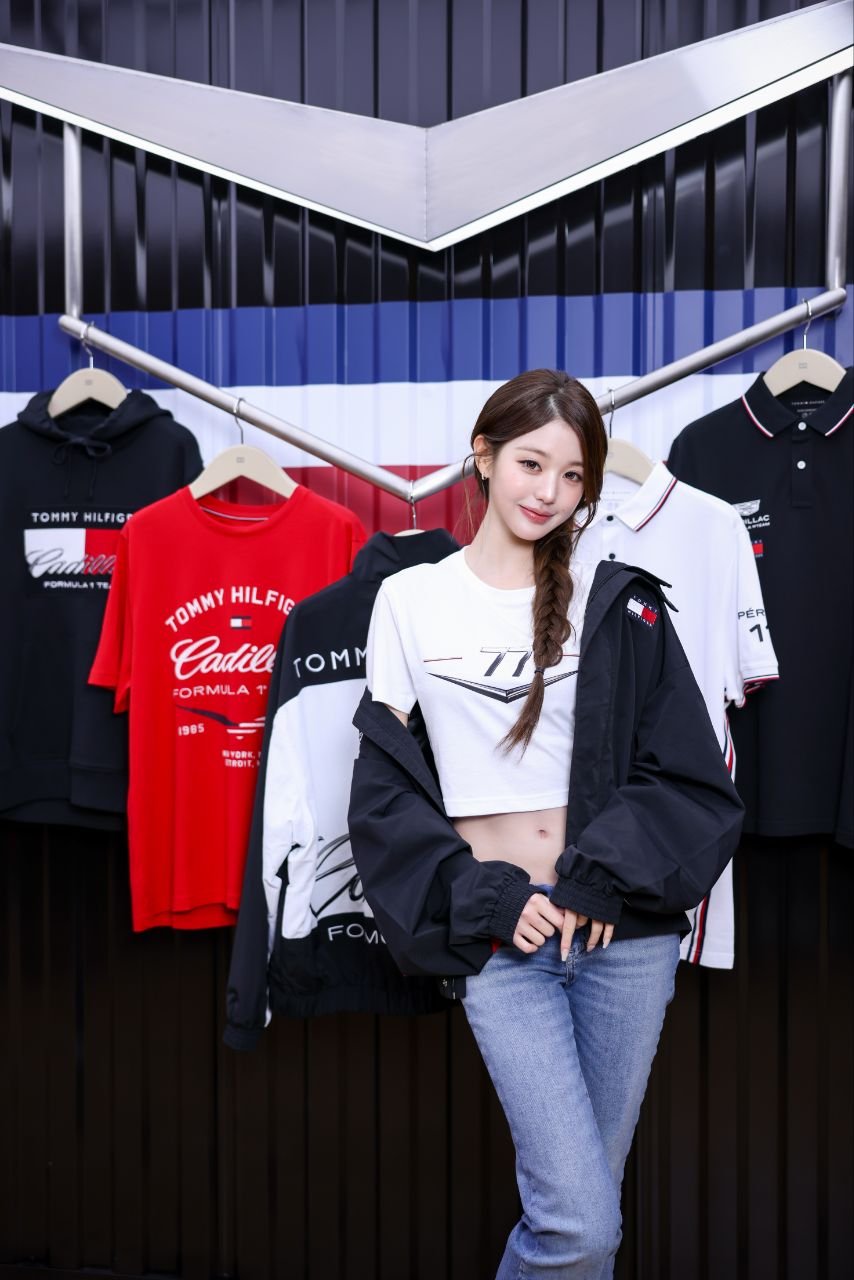
Koreaboo's reporting notes that Wonyoung has faced similar accusations before. She has been called a 'mean girl' or 'pick me' by some online commenters, though she has been defended nearly every time. This incident fits that pattern. That pattern echoes past viral debates about her home photos, where a designer radio became the focus of online comments. In each case, a small detail or a brief clip becomes the starting point for a larger argument about her personality.
This context matters because it shows how viral scrutiny accumulates. A single interaction is rarely judged in isolation; it is placed alongside previous clips and comments, building a narrative. That does not make the current criticism automatically invalid, but it does mean readers should be cautious about treating a short exchange as definitive proof of anything. The source reporting presents both criticism and defence, and the balance of opinion online appears to favour Wonyoung.

What the clip can and cannot tell us
A clip is a fragment. It may begin after a greeting has already happened, or end before a conversation finishes. It may be filmed from an angle that hides expressions, or edited to emphasise a particular moment. This does not mean every clip is misleading, but it does mean that short footage is weak evidence for claims about character. The M Countdown clip shows a nod and applause; it does not show what was said, if anything, or what happened before and after.
Viewers bring their own expectations to such moments. Some expect strict deference from juniors and warmth from seniors; others expect minimal formality between professionals. When the footage is ambiguous, people fill the gap with what they already believe about the idol. That is why the same clip can produce opposite conclusions. A more useful question is not 'what does this gesture reveal about her personality?' but 'what norms are we using to judge it, and are those norms universally shared?'
Seniority, courtesy and the policing of idol behaviour
K-pop's seniority system is often described as rigid, but in practice it is flexible. Bows can be deep or shallow, formal or casual, depending on the setting. International fans may misread the significance of a nod, while Korean fans may read it differently. The debate over Wonyoung's response exposed this gap. Some criticism seemed to assume that a junior's bow demands a matching bow, but that is not a universal rule. A senior can acknowledge a junior with a nod, a smile or applause.
At the same time, the defence leaned on seniority to argue that Wonyoung had done enough. Both sides invoked hierarchy, but they drew different conclusions. That suggests the argument is less about a fixed code of conduct and more about what fans feel an idol owes to others on camera. The episode is a reminder that courtesy is contextual, and that policing it through viral clips can produce more heat than light.
Takeaway: a small gesture, a large reaction
The M Countdown exchange was a minor moment in a busy promotional week. A2O Lite won a trophy, NCT WISH came close, and IVE were on hand as the show unfolded. Yet a few seconds of footage between Wonyoung and Rada became the story that travelled furthest. That is the nature of K-pop's close-up media environment: small interactions can carry disproportionate weight, especially when they involve a heavily scrutinised idol.
The practical takeaway is not that fans should stop discussing idol behaviour. It is that a short clip is a starting point, not a conclusion. Before joining a wave of criticism or defence, it is worth asking what the footage actually shows and what it leaves out. In this case, the source reporting presents a defended idol and a rookie's polite greeting, with no clear evidence of wrongdoing. The reaction says as much about audience expectations as it does about the interaction itself.