

The Instagram Post That Sparked a Debate
IVE member Wonyoung has found herself at the centre of an online firestorm after sharing a series of photos on her Instagram account. According to Koreaboo, the post was captioned 'My place, my peace' and offered followers a glimpse into her home décor. What was intended as a personal and serene snapshot quickly became a focal point for criticism, as netizens zeroed in on the luxurious items visible in the background.
The backlash was immediate and intense, with many accusing the idol of flaunting her wealth in a manner that felt disconnected from the struggles of ordinary people.
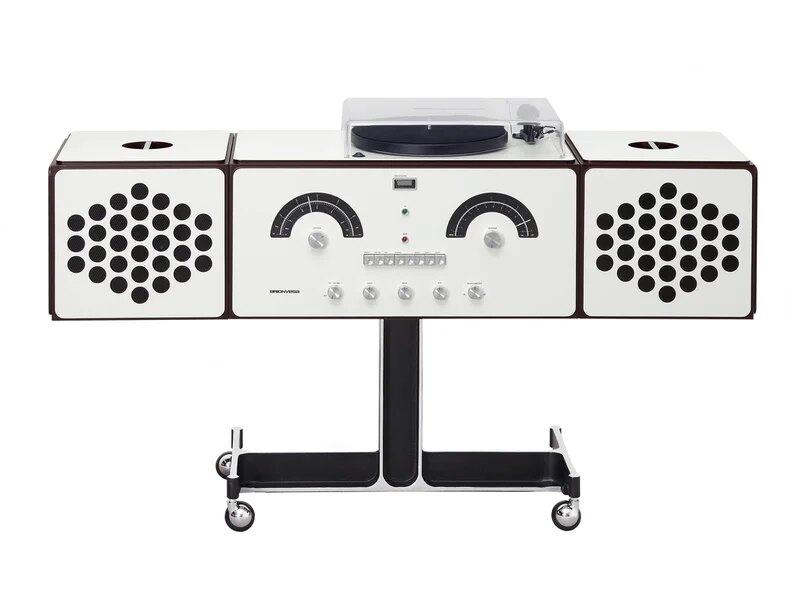
The specific object that drew the most attention was a Brionvega Radiofonografo, a modular radio and record player. Koreaboo reports that the particular model Wonyoung owns, the RR126 or RR226, is said to retail for between $18,000 and $20,500 USD. This is not a mere appliance; it is a piece of design history, originally created in 1965 by the celebrated Italian designers Achille and Pier Giacomo Castiglioni.
Its presence in Wonyoung's home was interpreted by many as a deliberate statement of status, rather than a simple decorative choice.
The reaction was swift and scathing. Netizens took to various platforms to express their disapproval, with many criticising her for vanity and for showcasing a lifestyle that seems far removed from the reality of most fans. The incident has reignited a broader conversation about the expectations placed on K-pop idols, particularly when it comes to displays of wealth.
For Wonyoung, a star who has been in the public eye since her teenage years, this is yet another chapter in a career marked by both adoration and intense scrutiny.
It is worth noting that the post itself did not explicitly mention money or luxury. The criticism arose from the interpretation of the images, not from any direct claim. This raises questions about how online audiences read visual cues and project meaning onto them. In an age where every detail can be magnified, a background object can become the centre of a controversy, overshadowing the original intent of the post.
The gap between Wonyoung's likely intention and the public's reception illustrates the volatile nature of social media for celebrities.
The Luxury Items: A Brionvega Radio and a Pierre Paulin Sofa
To understand why a single object could provoke such a strong reaction, it is worth examining the Brionvega Radiofonografo itself. This is not a mass-produced gadget but a piece of mid-century modern design that has achieved cult status among collectors and design enthusiasts. Designed in 1965 by the Castiglioni brothers, it is a modular system that combines a radio and a record player in a sculptural form.
Its distinctive appearance, with rounded edges and a minimalist aesthetic, makes it as much a work of art as a functional audio device.
The price tag attached to this item is a key factor in the controversy. According to Koreaboo, the model Wonyoung owns retails for around $18,000 to $20,500. Such a sum is astronomical for most people, representing months or even years of salary. For an idol who has achieved significant success, however, it may be a justifiable purchase. The gap between these two perspectives is precisely what fuels the backlash. What is a design investment for one person can appear as extravagant excess to another.
The Brionvega radio was not the only luxury item that caught netizens' eyes. Koreaboo notes that Wonyoung had previously revealed a Pierre Paulin Dune Sofa in her home. This piece of furniture is another iconic design object, created by the French designer Pierre Paulin. The Dune sofa is known for its modular, undulating form, reminiscent of sand dunes, and it is highly sought after by collectors.
Together with the radio, it paints a picture of a meticulously curated living space, which some interpreted as a deliberate display of wealth.
The curation of a home with such pieces suggests an appreciation for design, but it also creates a visual narrative of affluence. In the context of social media, where images are often staged and selected, the presence of these items may be read as a form of self-expression or as a status signal. The ambiguity is part of the problem: without an explicit statement of intent, viewers are free to project their own assumptions.
For critics, the abundance of expensive objects confirmed their suspicions; for supporters, it may simply reflect a personal taste for beautiful things.
Netizen Reactions: Vanity, Easy Lives, and Economic Anxiety
The backlash against Wonyoung was not limited to a few critical comments. According to Koreaboo, netizens expressed a range of negative sentiments, many of which centred on her perceived vanity. One comment, as reported, remarked that life must be no fun because everything is so easy for her. Another accused her of learning vanity and showing off instead of thrift and frugality. These comments reflect a deep-seated frustration with the disparities between idol wealth and ordinary life.
One particularly pointed comment, highlighted by Koreaboo, mentioned the sum of 200 million won. The commenter noted that many people's lives depend on having or lacking that amount of money. This figure, which is roughly equivalent to $150,000 USD, is a stark reminder of the economic anxieties that many South Koreans face. In a country with high housing costs and competitive job markets, such a sum can be life-changing.
The fact that Wonyoung's radio alone costs a significant fraction of that amount was not lost on observers.
Another strand of criticism focused on Wonyoung's character. One commenter questioned whether she had actually read a book titled 'Buddha's Words', which she had previously been seen with, given her actions. This suggests that the backlash was not merely about money but about perceived hypocrisy. The image of a young star seeking spiritual guidance while living a life of extreme luxury struck some as contradictory. Whether this is a fair assessment is debatable, but it illustrates how personal details can become ammunition in online debates.
The comparison to an influencer also appeared in the reactions. One commenter reportedly said that she was starting to feel like an influencer. This is a telling remark, as it implies a shift from artist to commercial figure. In the K-pop world, where idols are expected to balance artistry with brand partnerships, the line between celebrity and influencer is increasingly blurred. For some fans, this blurring is a source of disappointment, as it suggests a prioritisation of image over substance.
Gender, Economics, and the Ethics of Display
It is difficult to discuss this incident without acknowledging the gendered dimensions of the criticism. Female K-pop idols often face harsher scrutiny for displaying wealth than their male counterparts. While male idols may be praised for their success and branded as young and rich, female idols can be labelled as vain or materialistic. This double standard is a recurring theme in the industry, and Wonyoung's case appears to fit into a broader pattern of policing women's choices.
It is also important to consider the economics of being a top K-pop idol. Wonyoung is a member of IVE, one of the most successful girl groups of the current generation. She has also pursued individual activities, including brand endorsements and modelling. While exact figures are not public, it is widely understood that idols at her level earn substantial incomes. The money she spends on her home is, in all likelihood, money she has earned through years of hard work and immense public exposure.
Yet the ethics of displaying that wealth remain contentious. Fans are the bedrock of an idol's career, and many of them are young people with limited disposable income. When an idol shows off expensive possessions, it can create a sense of alienation. There is an unspoken contract: idols provide entertainment and inspiration, and fans provide support and affection. Flaunting wealth can be seen as breaking that contract, turning a relationship of mutual appreciation into one of inequality.
The comment about 200 million won is a reminder that in South Korea, wealth inequality is not an abstract concept.
It is possible that the strong reaction is also influenced by the timing of the post. In a period of economic uncertainty, visible displays of luxury can be particularly jarring. However, without further context, it would be speculative to attribute the backlash solely to economic factors. What is clear is that the criticism touches on deep-seated sensitivities about class, success, and the responsibilities of celebrity. These are issues that extend far beyond Wonyoung herself.
Instagram: A Double-Edged Sword for Idols
Instagram is a vital tool for K-pop idols. It allows them to communicate directly with fans, bypassing traditional media. A well-curated feed can enhance an idol's image, showcasing their personality, interests, and daily life. For Wonyoung, who has over 10 million followers, the platform is a powerful asset. Her post about her home was likely intended to share a piece of her world, a gesture of intimacy that fans often crave.
However, Instagram is also a double-edged sword. Every post is subject to interpretation, and nothing escapes the notice of eagle-eyed fans and critics. The Brionvega radio was not the focus of the photos; it was a background detail. But in the age of digital forensics, background details can become headlines. This incident demonstrates how quickly a personal share can morph into a public controversy. The line between sharing and oversharing is perilously thin.
The caption 'My place, my peace' has become a poignant symbol of this dynamic. What was meant to convey a sense of calm and ownership was read as a boast. The irony is that the post brought anything but peace. For idols, social media is a space of constant negotiation. They must be authentic yet guarded, personal yet professional. Wonyoung's experience is a cautionary tale about the risks of letting one's guard down, even slightly.
It also raises the question of whether idols should be expected to hide their success. If they are paid to promote luxury brands, is it hypocritical to criticise them for owning luxury items? This is a paradox that many in the industry face. The same fans who admire an idol's Dior campaign may criticise them for having a Dior sofa. The inconsistency highlights the complex expectations placed on public figures, who are simultaneously asked to be aspirational and relatable.
Wonyoung: A Star Under Constant Scrutiny
Wonyoung is no stranger to public attention. She first rose to fame as a contestant on Produce 48 and subsequently became a member of the temporary group IZ*ONE. After that group disbanded, she debuted with IVE, where she has become one of the most recognisable faces of the fourth generation of K-pop. Her career has been marked by remarkable success, including chart-topping hits and prestigious endorsements.
With such success comes intense scrutiny. Wonyoung has been the subject of online criticism before, including viral debates about her personality and demeanour. Koreaboo's related coverage includes an article about viral criticism regarding her personality that triggered backlash, indicating that this is not an isolated incident. The constant examination of her every move is a burden that few can fully comprehend. It is a reminder that being a public figure, especially a young woman, comes with a heavy psychological toll.
It is worth noting that Wonyoung has also received an enormous amount of love and support. Her fans admire her dedication, her elegance, and her talent. The backlash she faces is often amplified by the nature of online platforms, where negative voices can seem louder than positive ones. This incident is a snapshot of the polarised environment in which she operates. For every critic, there is a defender, and the debate continues to rage.
The scrutiny may also stem from her status as a trendsetter. Wonyoung's influence extends beyond music into fashion and beauty, and her choices are often imitated. This makes her a lightning rod for opinions about taste, class, and consumption. When she shares her home, she is not merely an individual but a symbol of a generation of young, successful women. That symbolic weight can make even a simple post a subject of intense debate.
Luxury, Branding, and the Idol Image
The K-pop industry is inextricably linked with luxury branding. Idols are ambassadors for high-fashion houses, and their images are carefully crafted to embody sophistication and exclusivity. Wonyoung herself is associated with Dior, having been featured in campaigns and attending events for the brand. This professional relationship complicates the narrative of her personal wealth display. She is, in a sense, paid to be associated with luxury.
This creates a paradox. On one hand, idols are expected to embody the aspirational qualities that luxury brands represent. On the other, they are criticised when they actually enjoy the trappings of that luxury. The Brionvega radio and the Dune sofa are not just expensive; they are design objects that signal taste and cultural capital. For Wonyoung, they may be part of her professional image as much as her personal life. The distinction between the two is often impossible to maintain.
The backlash may also stem from a sense of envy. It is natural to feel a twinge of jealousy when confronted with extreme wealth, especially in an era of economic uncertainty. However, envy alone does not explain the vitriol. The criticism is framed in moral terms, accusing Wonyoung of vanity and a lack of frugality. This moralising language suggests that the issue is not just money but values.
Wonyoung is being judged not for what she has, but for what her possessions say about her character.
It is also worth considering how different cultures view the display of wealth. In some societies, showing off success is celebrated; in others, modesty is prized. South Korea has its own complex attitudes towards wealth, shaped by rapid economic development and persistent inequality. Wonyoung's post tapped into these tensions, making her a target for broader frustrations that have little to do with her personally.
The Fragile Contract Between Idols and Fans
The Wonyoung incident is a microcosm of the tensions that exist within K-pop fandom. Fans invest emotionally and financially in their idols. They want to feel a connection, to believe that the idol is somehow accessible. When an idol displays wealth that is unimaginable to most, that connection can feel strained. The backlash is a manifestation of that strain. It is a reminder that the idol-fan relationship is built on a delicate balance of aspiration and relatability.
It also raises questions about privacy and boundaries. Should idols be allowed to share their homes without facing criticism? Is it fair to hold them to standards of modesty that are not applied to other wealthy individuals? These are not easy questions. On one hand, idols are public figures who benefit from their visibility. On the other, they are entitled to a private life. The line between the two is a matter of ongoing negotiation, and incidents like this push it into the spotlight.
The comment about the 'Buddha's Words' book is particularly revealing. It suggests that fans expect idols to be consistent in their values, and that any sign of contradiction is grounds for criticism. Whether Wonyoung was actually reading the book or simply posing with it is unknowable, but the fact that it became a point of attack shows how closely her life is watched. It also indicates that the backlash is not solely about money but about authenticity and perceived sincerity.
Ultimately, Wonyoung's post and the subsequent furore highlight the impossible standards placed on idols. They are expected to be aspirational yet relatable, glamorous yet humble, successful yet modest. Navigating these contradictions is a daily challenge. As K-pop continues to expand globally, these cultural conversations will only become more complex. For Wonyoung, the storm will eventually pass, but the questions it raises about wealth, gender, and fandom will remain.