The clip, the camisole and the argument that followed
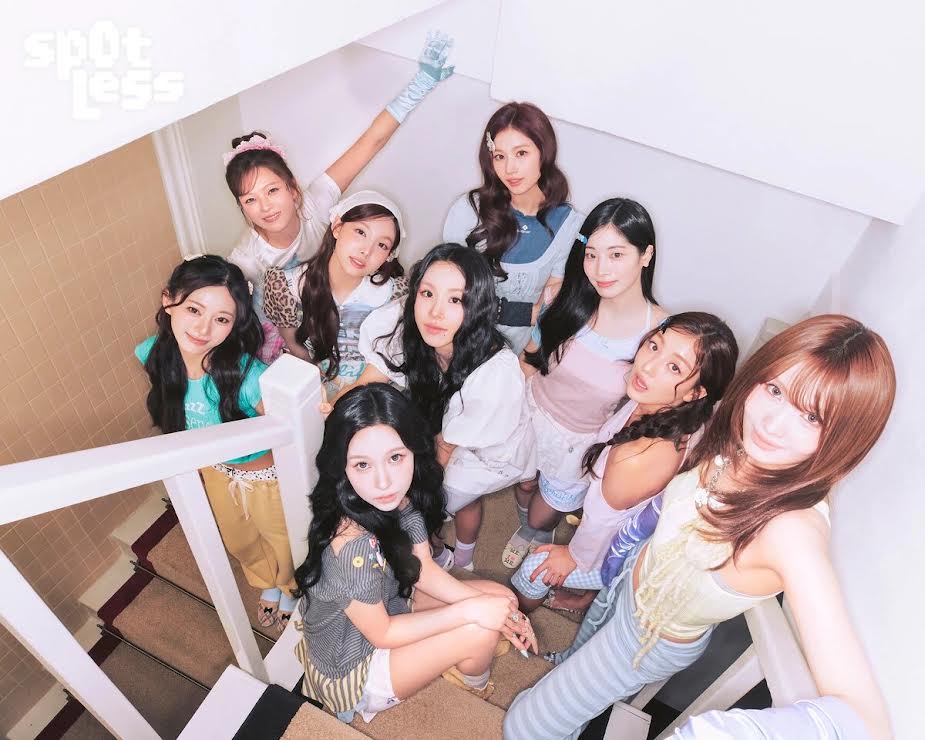
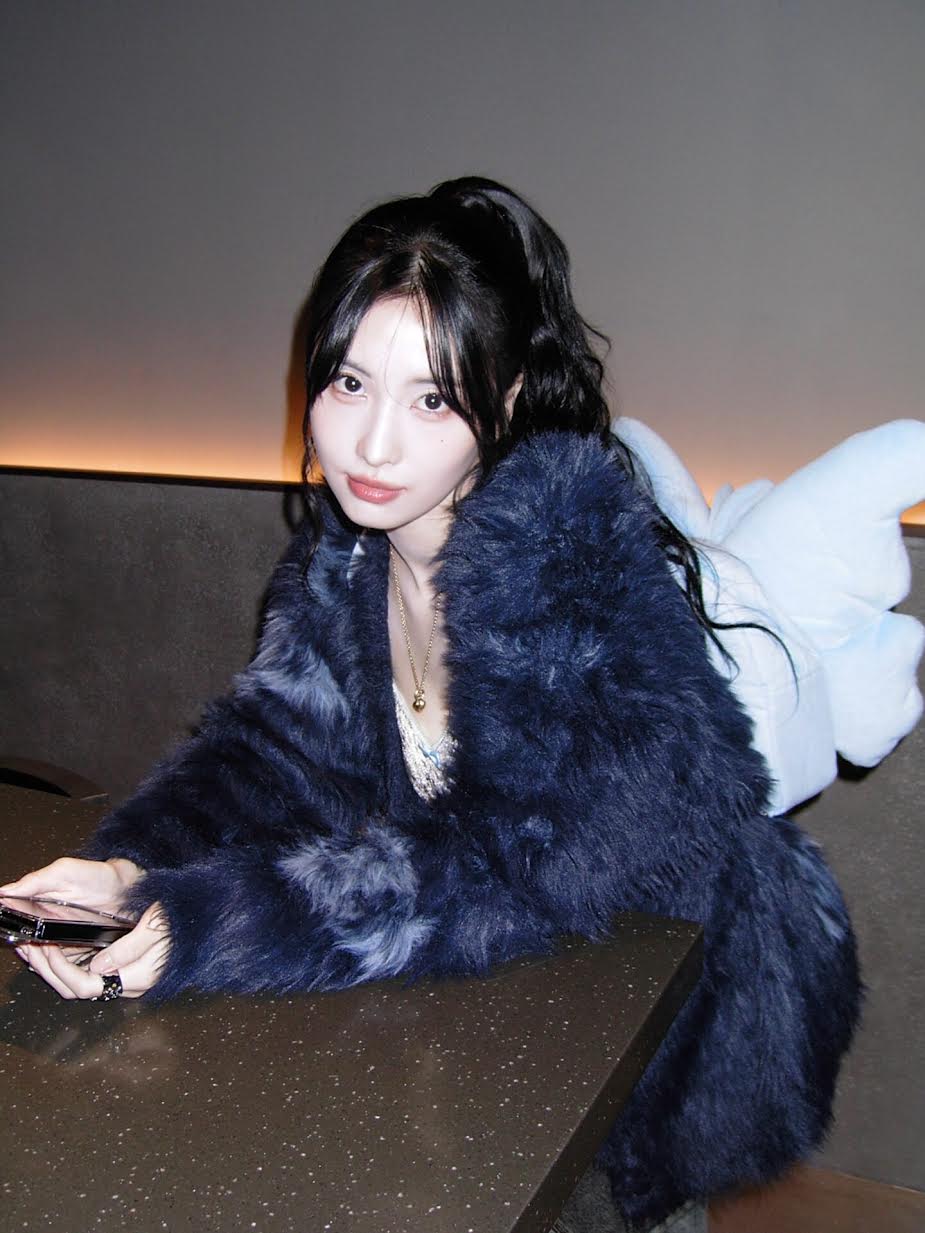
A cosmetics campaign video featuring TWICE's Momo has turned into an online argument about styling, setting and who gets to decide what an idol wears. Koreaboo reports that Wonjungyo, the cosmetics brand Momo models for, shared behind-the-scenes footage from a dance video shoot earlier this month, and that the conversation quickly moved from her dancing to her clothes.
The outfit in question was a pink lace camisole with a deep V-neck, worn with trousers and a thin cardigan, leaving her shoulders, back and upper chest exposed as she danced. Korean news outlets picked up the response, and the reaction split along fairly clear lines: criticism from commenters in Japan, and a defensive response from commenters in Korea.
Nothing about the clip itself is unusual for a brand campaign. What made it a story is the way the same footage was read so differently in two markets that both follow TWICE closely. That gap, rather than the garment, is the interesting part.
What the Wonjungyo footage actually showed
Wonjungyo posted the behind-the-scenes material to promote its work with Momo, who has modelled for the brand. The footage was framed around a dance sequence, with the styling built for movement and for the camera rather than for a stage.
According to Koreaboo's account, part of the criticism focused on the setting as much as the clothing, with the dance taking place in what was described as a classroom. That detail gave the complaints a hook beyond personal taste: commenters argued that a school-like backdrop changes how the styling lands, and that the combination of the two reads differently from the same outfit in a performance video.
It is worth being precise about what the reporting establishes. The footage was shared by the brand, Momo appears in it as a model, and the styling prompted comment. The reporting does not establish that Momo chose the outfit, that the brand anticipated the reaction, or that any official statement has followed.
The criticism from Japan, in commenters' own words
Japanese netizens quoted by MyDaily raised several objections, and the complaints clustered around two ideas — that the design resembled lingerie, and that it showed too much skin for the context.
Among the comments reported were: "It looks like underwear," and "It shows too much skin." Others framed the issue as one of responsibility rather than taste. One commenter argued that people are free to wear what they want, but that a star with considerable influence should also consider the impact on children. Another said simply, "You should dress for the place and situation."
Those quotes are useful because they show a specific argument rather than a general mood. The objection is not that the outfit is unattractive; it is that a well-known figure appearing in school-adjacent framing carries an obligation the commenters think was not met. Whether that obligation exists, and who enforces it, is exactly where the disagreement starts.
The Korean response: defence, and some irritation
In Korea, the reaction reported by Koreaboo went the other way. Commenters on Nate largely rejected the premise that Momo owed an audience a particular standard of dress, and several turned the argument back on the critics.
One widely echoed response asked why Momo should have to think about other people's children, arguing that supervising what children watch is a job for the adults in the room. Another objected to what they saw as strangers dictating to a grown adult, with one comment pointedly noting her age.
The tone of those replies is worth noting. This is not a fandom refusing to hear any criticism of a favourite; it is a disagreement about where a performer's accountability begins and ends. The Korean commenters treated the criticism as a demand for self-censorship dressed up as concern for young viewers, and said so bluntly.
Why one clip can read two ways
TWICE have spent years working across Korea and Japan, and their audience in each place has its own expectations about how members present themselves in commercial work. Momo's profile sits right in the middle of that, which makes a cosmetics campaign a natural place for the two sets of expectations to collide.
There is also a difference in what the two groups of commenters think they are discussing. The Japanese comments are largely about context and influence: a school setting, a young audience, a recognisable face. The Korean comments are largely about autonomy: an adult, a brand job, a styling choice that was not hers to defend in the first place.
Both arguments have an internal logic. They simply answer different questions — what a public figure owes an audience, versus what an audience is entitled to demand of a public figure. Online comment threads rarely resolve that, and this one is unlikely to be the exception. Caution is warranted in reading too much into translated comment sections, which capture the loudest voices rather than a considered public view.

The commercial frame that tends to get lost
Much of the discussion treated the clip as a statement about Momo. In practice it was advertising. A cosmetics brand commissioned a dance shoot with a model it works with, styled the footage, and published it to sell products. The garment was a production decision before it was anything else.
That matters because the criticism, however it was phrased, was aimed at a person rather than at the campaign. Idols are the visible face of brand work and absorb the reaction to it, but they are rarely the ones signing off on styling, location or edit. The reporting does not say who made those calls.
For brands, the episode is a reminder that a shoot built for one audience can circulate instantly to another. Campaign footage is no longer contained by the market it was made for, and the response in a second market can become part of the story in the first.
Where this leaves Momo and Wonjungyo
As of the reporting cited, neither Momo nor Wonjungyo had issued a public response to the comments, and there is no indication that the footage has been withdrawn or edited. Whether the campaign continues as planned is not established.
The episode joins a long line of K-pop styling debates that flare, get aggregated across languages and fade without resolution. What tends to linger is not the specific garment but the pattern: a clip is published, a comment section in one country reacts, a comment section in another reacts to that reaction, and the conversation becomes about the conversation.
For Momo, whose work with the brand predates this clip, the practical effect is likely to be limited. For readers, the more useful question is the one the comment threads kept circling: whether criticism of an idol's styling is ever really about the clothes.

The takeaway
A cosmetics dance video has become a test case for how fans in different markets negotiate the boundaries of idol presentation — and it has produced more heat than clarity. The reported facts are narrow: a brand shoot, a lace camisole, critical comments from Japan, defensive ones from Korea. The disagreement about who sets the line is much broader, and no comment section is going to settle it.
If you want to keep up with the stories that shape K-pop's global fandom, K-Beats Radio has you covered while you read.