The post at the centre of the row
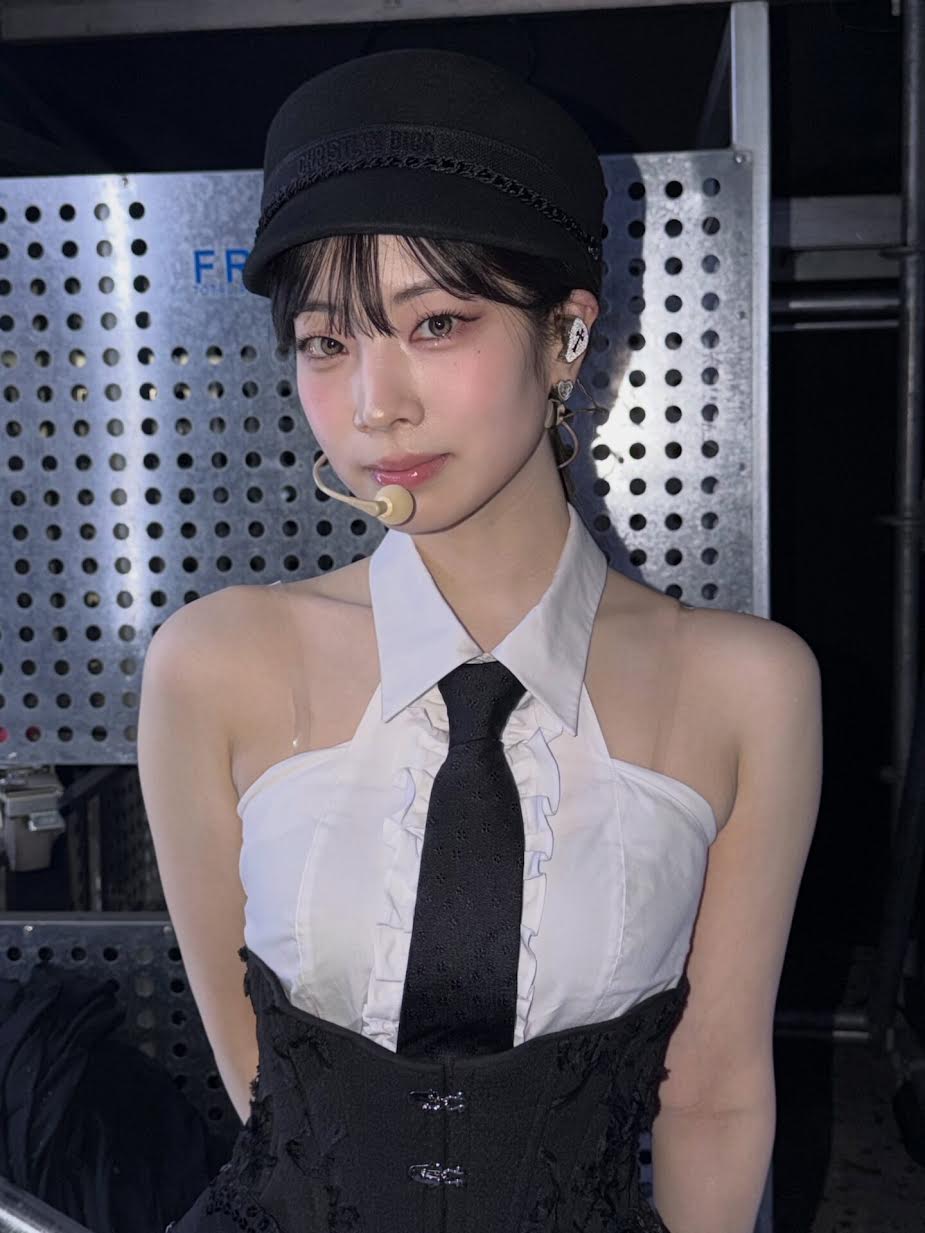
Koreaboo reported on 21 November 2026 that a solo post from Dahyun on the official TWICE Instagram account had been flooded with comments attacking her appearance. The post was a video promoting a song by IU, 'Unknown Planet'. According to the report, the clip was deliberately low-key: Dahyun appeared with minimal make-up and performed simple gestures rather than a polished, high-production routine.
The reaction was not about the song choice or her delivery. It was a wave of appearance-focused remarks, and that is what makes the episode notable. Official group accounts are usually controlled spaces where fans celebrate releases and milestones. When a casual post becomes a target for personal criticism, the comment thread stops being a fan space and starts functioning as a public referendum on how an idol looks. For a group as established as TWICE, that shift is jarring.
What the comments actually focused on
Koreaboo summarised the comments as claims that Dahyun looked different and older. Some questioned whether her face had changed, others made remarks about her nose, and several compared her unfavourably to an 'average' person. One line suggested that her youthful image had gone. The report describes the thread as ridicule, and the detail matters: the criticism was not framed around styling, stage presence or vocal performance. It was aimed at her face and her age.
That distinction is important for readers who may see the story as another example of internet rudeness. Appearance commentary is common in K-pop, but it often hides behind the language of concern or honesty. Comments that present themselves as observations about a celebrity's face can still function as harassment, especially when they arrive in bulk under an official post. The effect is not a single critique but a repeated message that a performer is being watched for the wrong reasons.
Fans defend Dahyun and turn on JYP
Fans pushed back quickly. Koreaboo reports that supporters defended Dahyun passionately, with posts on X describing the remarks as unfair and questioning why anonymous accounts were being treated as credible judges of her appearance. Others praised what they called her natural look. The tone of the fan response was protective rather than neutral: many saw a familiar pattern in which a female idol's face becomes a shared talking point.
Some fans went further and argued that the volume of similar comments looked like a coordinated campaign rather than spontaneous criticism. That suspicion has spread widely, but the source reporting does not establish who is behind the comments, whether any coordination occurred or how JYP Entertainment will respond. Fans have also demanded that the company do more to protect her. The demand is understandable, though the source does not include a company statement.

Why a low-key video became a flashpoint
The video's casual format is central to why it became a flashpoint. A low-key clip is often intended to feel closer to the artist: less styling, fewer production layers, a song the idol wants to share. That intimacy can be appealing precisely because it is unguarded. But the same quality can invite viewers to treat the artist's face as something to assess, compare and rank.
TWICE have been active for over a decade, and Koreaboo notes that the group is no stranger to online ridicule. Longevity changes the terms of that scrutiny. Members who debuted young are now adults with evolving careers and public images. Some of the comments cited in the report measure Dahyun against a fixed idea of youthful freshness, as if a performer's face should remain frozen at the moment of debut. That expectation is not a musical standard.
It is a memory being used as a yardstick.
The difference between criticism and a pile-on
There is a legitimate conversation to be had about styling, concepts and how idols present themselves. Fans discuss hair, make-up and fashion all the time, and that discussion can be part of enjoying K-pop. The problem here is the leap from presentation to personal worth. Remarks about a nose, age or 'average' looks do not help anyone understand the video or the song. They turn a music post into a grading exercise.
That is why the episode has landed as more than a single Instagram comment thread. It raises a question about the spaces agencies maintain. Official accounts are branded environments. If they allow a pile-on to sit under an artist's post, fans may read that as indifference. If they moderate heavily, others may complain about censorship. The balance is difficult, but the starting point should be clear: criticism of a performance is not the same as abuse of a person.
What protection could look like in practice
Practical protection can take several forms. Agencies can set comment filters, hide abusive replies and issue statements that set expectations for fan conduct. Platforms can make reporting tools easier to use and enforce their own rules more consistently. Fans can also change the weather in a comment section by flooding it with support rather than engaging with bad-faith accounts. None of these steps requires pretending that every critical comment is harassment.
The harder question is how to respond without giving the abuse more oxygen. A company statement can draw attention to the very comments it condemns. A fan campaign can turn a private pile-on into a wider news story. The source reporting shows that the comments were already visible enough to prompt a news article and a fan backlash, so silence is not a neutral option. The useful test is whether a response protects the artist and discourages repetition, rather than simply scoring points online.
The takeaway
The story around Dahyun is, at its core, a mismatch between a modest music video and a disproportionate reaction to a face. The clip was meant to share a song; the comment thread turned it into a judgment on age and appearance. Fans have made their support visible, and their calls for protection put the focus on how official channels are managed.
The takeaway is not that K-pop fans should stop talking about styling or image. It is that appearance-focused abuse travels easily under official posts, and the response should be specific. Dahyun's work deserves to be discussed on its own terms. The open question is what accountability looks like when a casual post becomes a pile-on.