Hearts2Hearts' Music Bank styling becomes the story
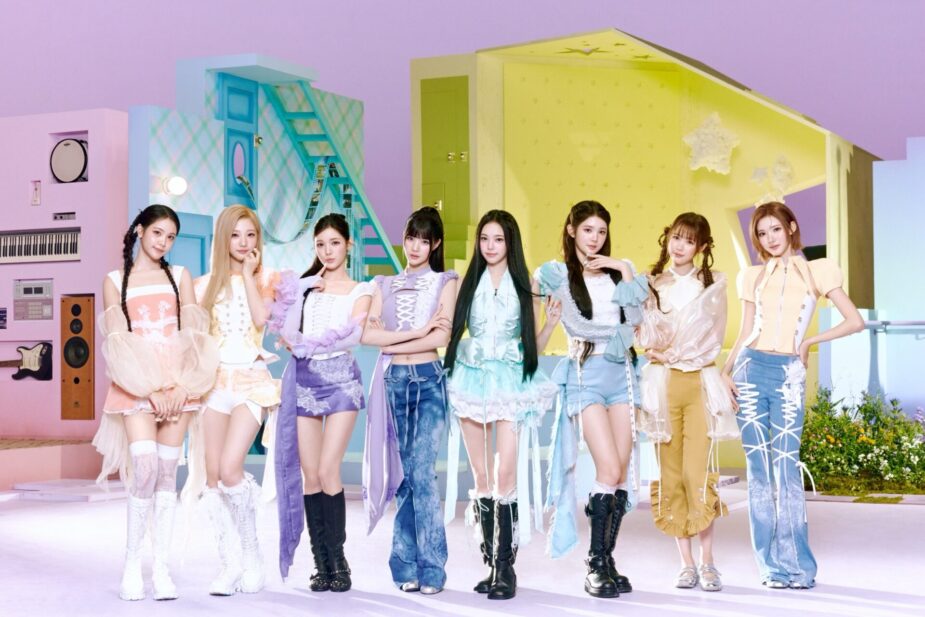
Koreaboo reported on 19 October 2026 that Hearts2Hearts, the SM Entertainment group described in the report as the company's youngest girl group, became a talking point across online communities because of the skirt length worn by its youngest member, Yeon. The conversation did not begin with a new song or a chart result. It began with a stage outfit.
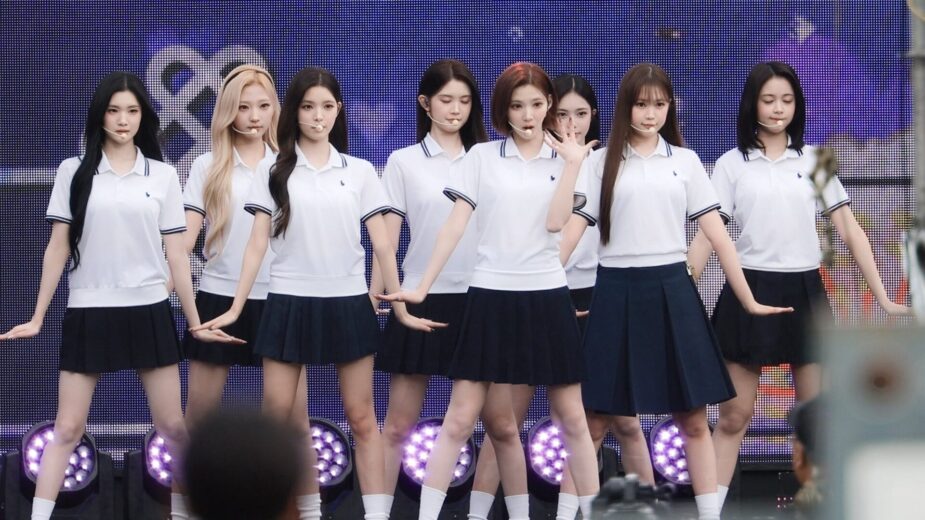
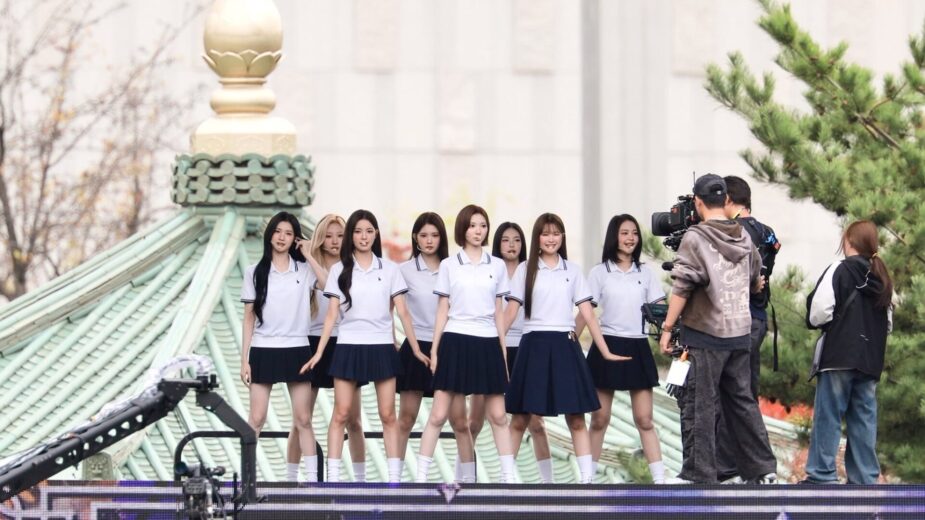
During a performance for KBS's Music Bank at the National Museum of Korea, all the members wore school uniform-style stage outfits. Online users noticed that Yeon's skirt reached down to her knees while the other members' skirts reached to mid-thigh. The difference was small in practical terms, but it was enough to set off a wave of affectionate comment online.
The episode matters beyond the hemline because it shows how closely stage styling is read in K-pop. For a rookie group, a detail like this can become part of the public conversation around the members and the company that styles them. The report frames the reaction as praise rather than criticism, with commenters responding warmly to Yeon's appearance in the outfit.
What happened on the National Museum of Korea stage
The setting was a KBS Music Bank performance at the National Museum of Korea, with Hearts2Hearts dressed in a coordinated school uniform-style concept. According to the report, the outfits gave the group a unified look, but Yeon's longer skirt stood out against the shorter skirts worn by the other members.
Online communities quickly picked up on that contrast. The report says the styling decision was highly appreciated, with Yeon winning praise for her cute visuals in the outfit. The comments cited in the report are short and affectionate, including words such as cute and baby, along with a protective call for the maknae to be looked after.
The focus of the reaction was the styling rather than any statement from the group or company. The report presents the online response as the news event: a small wardrobe difference became a reason for commenters to talk about Yeon and about how the youngest member of a rookie group is presented on stage.
Why a hemline can carry so much meaning
In K-pop, stage outfits are part of the concept as much as the choreography or the set design. A school uniform-style look carries its own associations, and when a group performs in that style, viewers often read the details as a statement about youth, image and tone. That helps explain why a longer skirt on one member could attract more attention than the performance itself in some online spaces.
For many commenters, the longer skirt appeared to signal care for the youngest member. The report does not say whether that was the company's intention, but the reaction shows that audiences are ready to interpret styling choices in that way. The praise was not framed as a criticism of the other members' outfits. It was framed as affection for Yeon and approval of a choice that made her look more like a schoolgirl in the concept.
That distinction is useful. The story is not really about whether one skirt was better than another. It is about how fans and online users use visible details to discuss how young performers are presented, and how a small styling decision can become a symbol of a group's image early in its career.
The Instiz thread: praise, shorthand and one unverified claim
The comments cited from Instiz mix simple affection with a protective tone. One commenter wrote that the youngest member was especially well-shielded by SM, while another called for the maknae to be protected. One exchange asked whether only the maknae was underage, and a reply asserted that four of the members are minors and that SM keeps the youngest one especially well-shielded.
The report itself does not give the members' ages, so that assertion should be treated as part of the online discussion rather than as confirmed context.
That matters because comment threads often move quickly from observation to assumption. The visible fact in the report is that Yeon wore a longer skirt than the other members. The reason behind the choice is not established in the report, and the commenters are interpreting both the outfit and the company's approach.
The praise also shows how fandom language works. Short words such as cute and baby do a lot of emotional work in K-pop communities, and a phrase like protect the maknae can sum up a whole attitude towards the youngest member. The reaction is warm, but it is still a reaction to an image, not a statement from the group.
A rookie group, a public stage and the attention around styling
Hearts2Hearts are presented in the report as SM Entertainment's youngest girl group, which makes the attention around Yeon's outfit part of a broader question about how newer groups are introduced. A public broadcast stage at the National Museum of Korea gives a group wide exposure, and in that setting, styling is one of the first things viewers see. A single detail can travel through online communities faster than a review of the performance.
For the group, the practical effect is a friendly news cycle. The report describes appreciation rather than backlash, and the comments centre on Yeon's visuals and on a protective impulse towards the maknae. That kind of response can add a warm association around a rookie group, even when the conversation is about wardrobe rather than music.
It also puts pressure on styling teams. When audiences read outfits as messages about age and care, every choice becomes open to interpretation. The report does not say whether the longer skirt was a deliberate company decision, a stylist's choice or something else. What is clear is that online users treated the difference as meaningful and responded positively.
What the praise does and does not tell us
The praise tells us that many online users liked the way Yeon was styled for this stage. It tells us that the maknae position still carries a strong protective charge in K-pop fandom, and that a school uniform concept invites viewers to notice details such as skirt length. It does not tell us how the members felt about the outfits, what the company's policy is, or whether the difference was planned in advance.
That gap is worth keeping in view. The story is small, but it is specific: a rookie group, a public stage, a school uniform-style concept and one member whose outfit differed from the rest. The reaction around that difference is the news, and the report captures it without turning it into a larger claim about the group's music or its future.
For readers, the useful takeaway is that K-pop styling is rarely just decoration. It is read as a signal, especially when younger performers are involved. The hemline became a conversation because audiences care about how the youngest member is presented, and because online communities are quick to turn that care into comment, praise and debate.
Takeaway: a small detail with a large audience
Hearts2Hearts' Music Bank appearance has given the group a light, affectionate moment online, with Yeon at the centre of the discussion. The report shows that a styling difference can become the story of the day, even when the stage itself is a conventional broadcast performance.
The longer skirt was a detail, but the reaction shows how much meaning fans attach to how young idols are presented. That is the practical significance of the story: in K-pop, wardrobe choices are part of the public conversation, and the youngest member's outfit can say as much to an audience as any concept brief.