
The reaction to Jennie's Instagram update
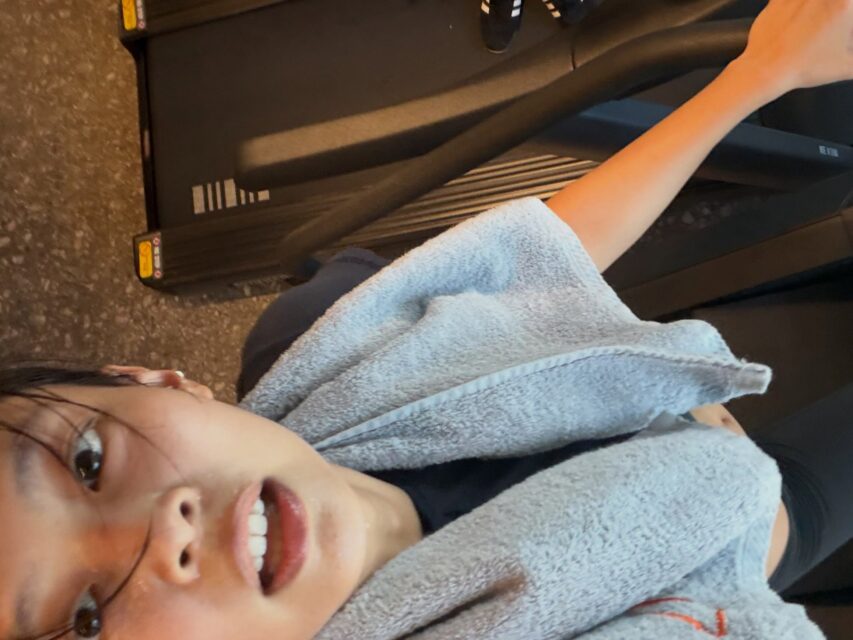
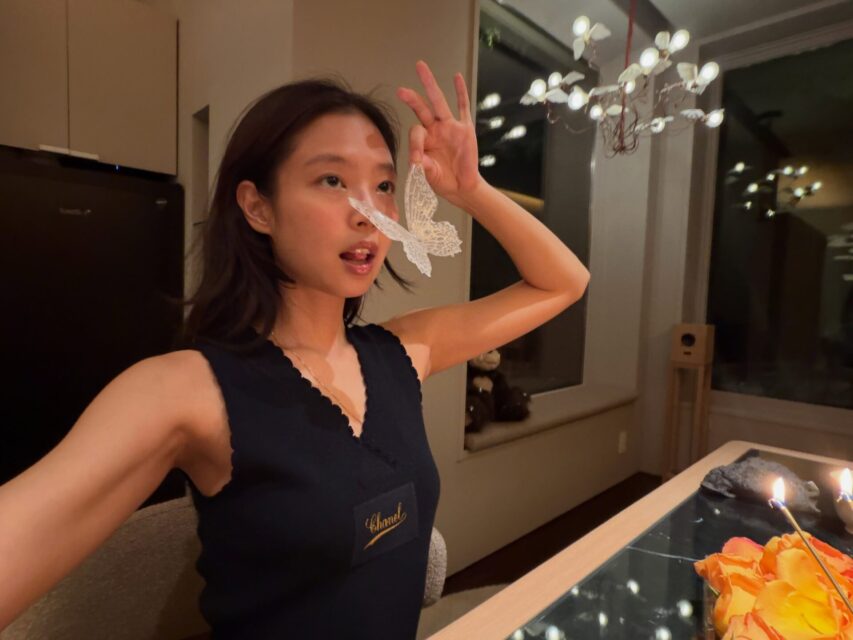
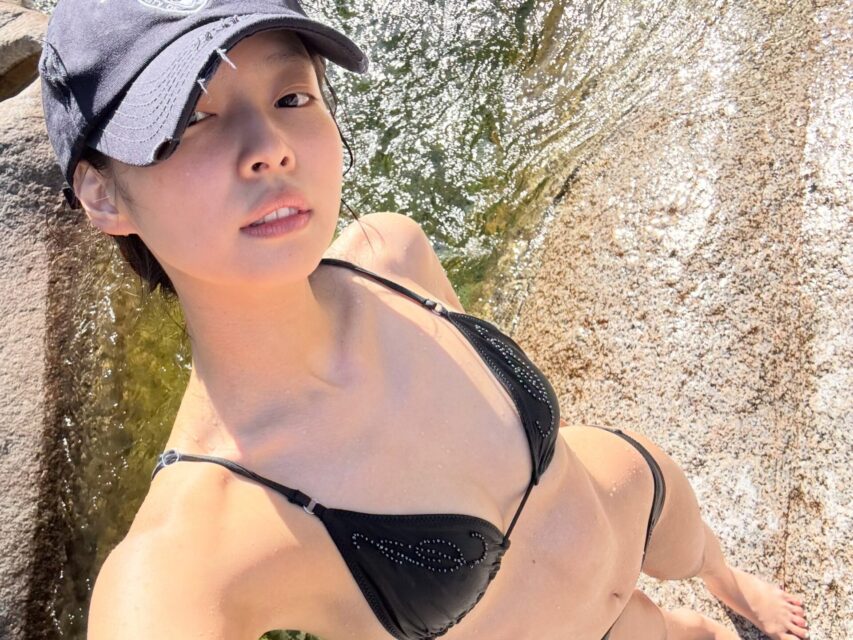
BLACKPINK's Jennie has faced a fresh wave of body-shaming after sharing candid photographs from her daily life on Instagram. Koreaboo reported on 19 October 2026 that the update included images from the gym, from her home and from a waterside setting, and that the post drew a large volume of comments on online communities. Many of those comments ridiculed her appearance, while others defended her and described her naturally slender frame as a strength.
The source report does not establish how many comments were posted, whether any were removed, or whether Jennie has responded publicly. What it does show is how quickly an ordinary social media update can become a forum for public judgment about an idol's body.
That is the practical significance of the story. A post that appeared to offer glimpses of everyday life became a debate about appearance rather than about the artist's work, her schedule or the reasons she chose to share the images.
Why a casual photo update became a talking point
The photographs were not tied to a comeback announcement, a performance or a brand campaign, according to the reporting. They were diary-like images: gym, home and a waterside moment. That ordinariness is exactly why the reaction is revealing. Social media is one of the few places where an artist can set the tone without a stage, a music video or an interview format.
When comment threads turn that kind of post into an appearance audit, the effect is to make even a gym photo feel like an invitation for judgment. The issue is not what any single image shows. It is the assumption that a woman's body is available for public marking, ranking and correction whenever she posts.
For readers who follow BLACKPINK, the question is therefore less about the specifics of the update than about the conditions that surround it. Why does a candid post so easily become a referendum on how an idol looks?

Jennie has encountered this pattern before
Koreaboo noted that Jennie is no stranger to such commentary, pointing to recent criticism of a stage outfit as another example. The repetition matters. A single wave of comments can be dismissed as the noise of a particular day; a pattern suggests something more structural about how online communities discuss female idols.
It also makes the latest episode less a surprise than a recurrence. The same artist, the same kind of appearance-focused comment, a different post. That familiarity is part of what makes the story worth reporting rather than simply ignoring: the harassment is not an isolated glitch in an otherwise respectful conversation.
The reporting does not suggest that Jennie invited the comments or that she should have posted differently. The point is that the response followed a familiar script, with her body treated as the main subject.
The reaction was not one-note
Within the same wave of comments, the source describes two broad responses. Many commenters ridiculed Jennie's appearance. Others pushed back, arguing that her natural frame is a highlight and that the criticism was misplaced. That split complicates any simple description of the thread as uniformly hostile.
But the presence of defenders does not cancel the harassment. It does show that some readers recognised the comments as unfair and tried to reframe the conversation. The tension between those responses is useful to note because it reflects a wider argument about what fans should do when body-shaming appears in their spaces.
A comment section can contain support and abuse at the same time. The question is which response gets the most visibility, which one shapes the story afterwards, and whether platforms or community moderators treat the abusive material as a problem to address.
What the episode says about idol scrutiny
This story is specific to Jennie, but the underlying dynamic is familiar in K-pop coverage: female artists are often discussed through their appearance before their work. The supplied reporting does not claim that the comments have changed Jennie's posting habits, her schedule or her music. The point is narrower and more immediate. A social media update intended as a glimpse of daily life became a site for public body criticism.
That shift matters because it narrows the space in which idols can be seen as people rather than images. It also places a burden on the artist to absorb commentary that has little to do with the reasons fans follow her. The reporting does not offer a motive for the commenters, and it would be wrong to invent one. What is visible is the effect on the conversation: appearance takes over.
For BLACKPINK fans, the episode raises a practical question about attention. Sharing a post to discuss styling is different from sharing it to mock a body. The distinction is not always respected in the rush to react.
Moderation, amplification and the reader's role
Online communities and social platforms set the terms for how quickly this kind of material travels. Provocative comments often move further than measured ones because they invite replies, screenshots and quote-posts. That does not make the harassment the reader's fault. It does mean that amplification is a choice made at several points in the chain.
A useful response is to take the harassment seriously without repeating the cruellest lines. Coverage can report that body-shaming occurred, identify the pattern and explain why it matters, while leaving the most degrading material out of the frame. The same principle applies in comment threads: naming the behaviour is different from performing it again for an audience.
The source report does not say what action, if any, was taken by Instagram or the community forums. That uncertainty is worth holding alongside the clear fact that the comments were made and that they focused on Jennie's body.
The takeaway
The headline is straightforward: Jennie shared everyday photographs and received body-shaming in return. The more useful takeaway is that the reaction says more about the conditions of online fandom than about the photos themselves. It shows how quickly a casual post can become a body debate, and how often the same pattern repeats around the same artist.
Readers can hold two ideas at once. The harassment is serious enough to report, and it should not be allowed to define how Jennie is discussed. The most respectful response is to keep the focus on her work, her choices and the kind of online space fans want to build, rather than on the comments that sought to reduce her to an appearance.