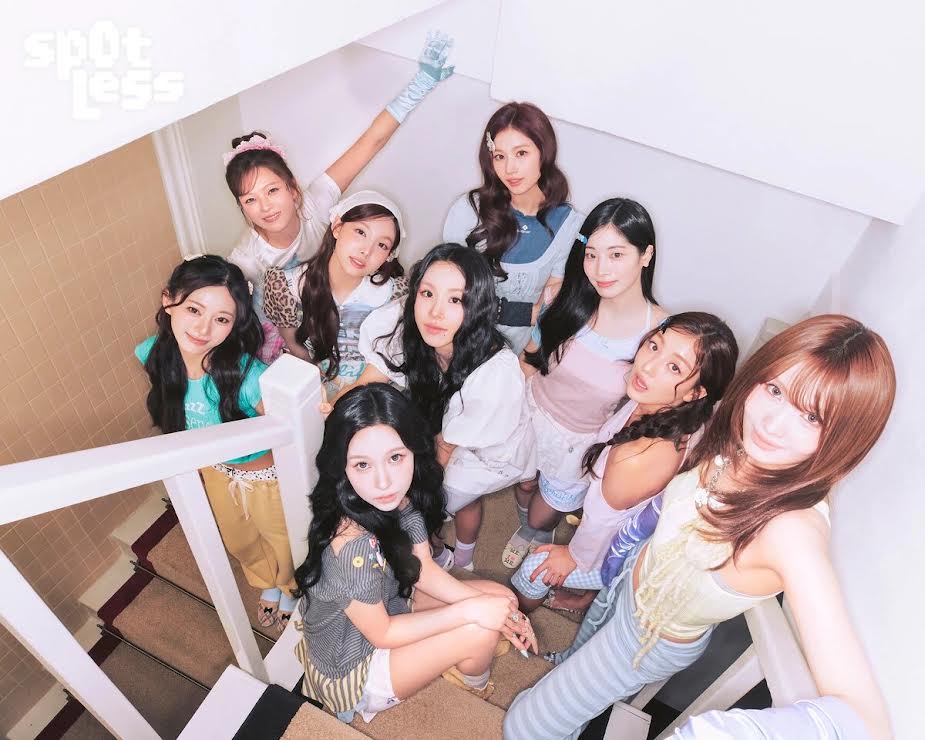
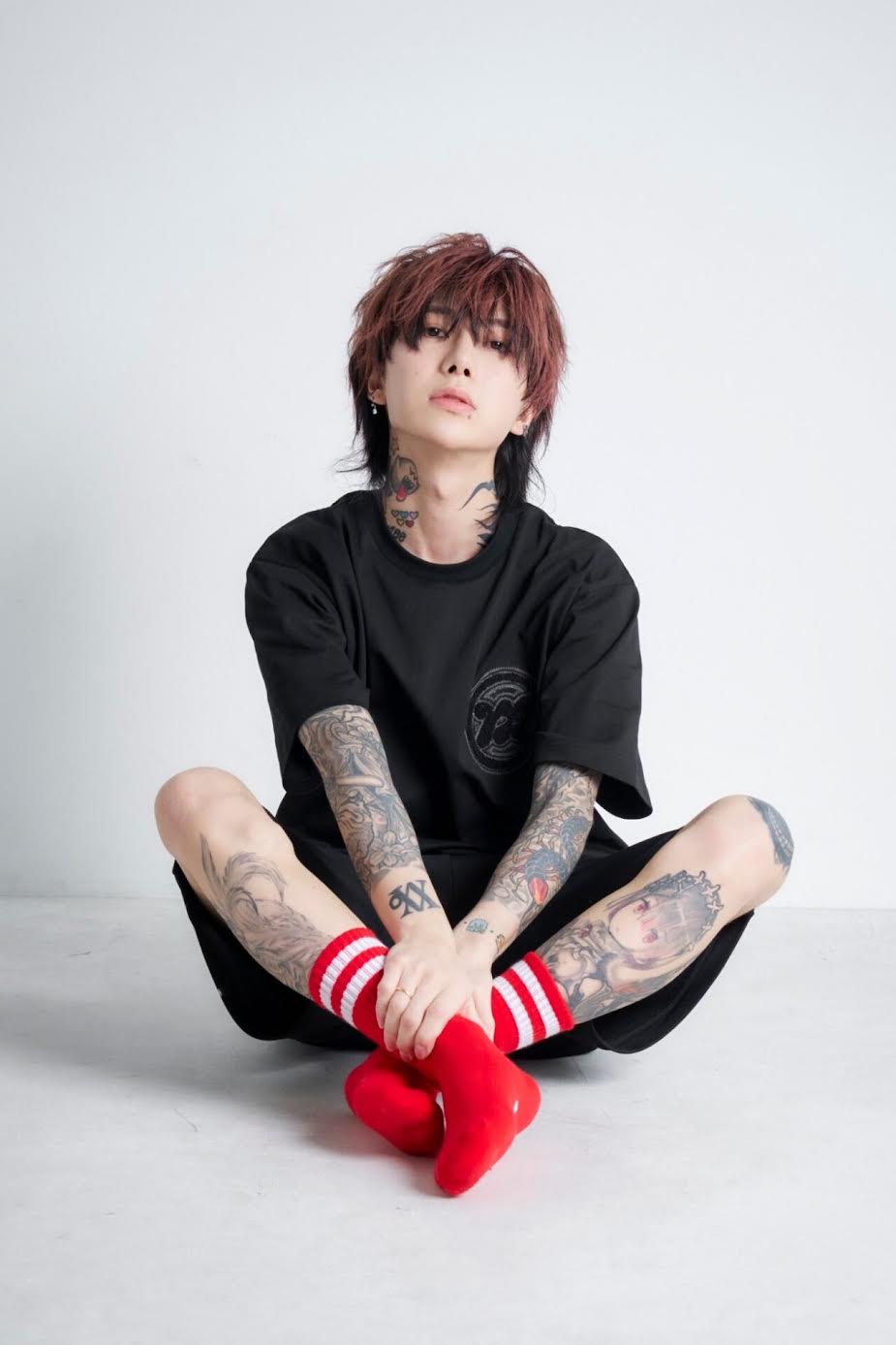
What Kanano has published — and why it matters
Japanese idol Senritsu Kanano, known for her work with femme fatale, Akuma no Kiss and ZOCX, has published a set of diary entries and a YouTube video in which she describes years of trauma, sex work and a suicide attempt. The video was published on 17 November 2026, according to Koreaboo's report, which also notes that ZOCX's official account had said in September 2026 that the group could not reach her.
Kanano says she was in a mental health ward for about two months after the attempt and that she is now doing better, though the attempt left her wheelchair-bound.
The publication matters beyond the individual case because the diaries were originally written to be released after her death, with the intention of providing income for her family. Kanano now says she is publishing them as a reason to live and to help others. That shift — from a posthumous document to a public account made while she is still here — is the frame for everything that follows. The details are her own, as reported by Koreaboo; K-Beats has not independently verified them.
The publication is unusual in its scope. Kanano has released diary entries that she says were written to be read after her death, alongside a video in which she speaks directly about the events that led to her hospitalisation. According to Koreaboo, the diaries were originally intended to provide income for her family after her passing.
Her decision to publish them now, while she is alive, is the central fact of the story: it turns a posthumous document into a public account made on her own terms.
A childhood she describes as violent
Kanano traces her difficulties to early childhood. She says her parents divorced when she started primary school, and that their relationship was violent. In her account, her mother chased her father with a knife, punched holes in walls and broke chairs. She also says her mother was violent towards her and her sister, Tonchiki Sakina.
She describes suicidal thoughts beginning when she was around three years old, and says she experienced multiple suicide attempts and self-harm during her school years. She also speaks about the onset of what was later diagnosed as panic disorder, and about complicated feelings towards her sister. These are not passing remarks. They form the background against which her later decisions, including her decision to leave home and her entry into sex work, are presented.
School, survival and a juvenile detention centre
Kanano says she sold her virginity at 15 and later began selling sex after dropping out of high school. She does not present this as a simple choice; it sits within an account of running away, physical assault and state intervention. After one runaway episode, she says she was physically assaulted and then taken to a juvenile detention centre, where she remained for a year and eight months.
The chronology is important because it shows how early the instability began. By the time she was a teenager, Kanano was navigating violence at home, violence outside it and a period of detention. Her account does not ask readers to approve or condemn those decisions. It asks them to understand the conditions in which they were made, and to see the later idol career as something that grew alongside, rather than after, that period.
Music, illness and the decision to stop selling sex
Music and the idea of being an idol gave Kanano something to move towards. She says she pursued the career through a competition, even while she continued to sell sex. A hospital visit after she fell ill led to a syphilis diagnosis, and shortly afterwards she discovered she was pregnant and had an abortion. She quit sex work after that.
She went on to be active as a member of ZOC, described in the report as an earlier rendition of ZOCX, and created femme fatale with her sister. The sequence matters: the idol work did not erase the earlier period, and the earlier period did not prevent the idol work. Kanano's account holds both together, which is one reason it is more useful than a simple redemption story.

Marriage, DJ Maru and a livestreamed attempt
After what the report calls a tumultuous time in ZOC, Kanano says she married her manager, who was 30 years older than her. She has described the relationship as loving. She also says she cheated on her husband with a man named DJ Maru, who she claims would become violent when drinking, and that the relationship led to a suicide attempt that was live-streamed.
In 2024, Kanano accused DJ Maru of abuse. She later reconciled with him, according to the report. These are serious allegations and they are presented here as Kanano's account. Koreaboo's report does not include a response from DJ Maru. The point for readers is not to adjudicate a private relationship from the outside, but to understand how Kanano links that period to her mental health crisis and to the decision to publish her diaries.
Where she says she is now
In her video, Kanano says she is doing better. She also says the attempt left her wheelchair-bound. Her other entries reflect on living, on the support she has received from loved ones, and on the role her idol career and fans have played as a light during difficult periods. The diaries, which were meant to support her family after her death, now function as a statement of her resolve to live.
Koreaboo's report includes crisis support information, including the 988 Suicide & Crisis Lifeline in the US and text services in the US, Canada and the UK. Readers who are affected by the material should use local confidential support rather than carrying it alone. The report does not present Kanano as recovered in any final sense; it presents her as someone who is still here and still speaking.
How should readers and media handle a disclosure like this?
The story arrives with a headline that groups the disclosures under tabloid-style labels. The body of the report is more careful, noting Kanano's stated aim of helping others. That gap is worth noticing. When an idol discloses trauma, the framing can turn a first-person account of survival into a list of shocks. The more useful question is what Kanano is asking readers to do with the information.
For fans and outlets, the answer is not complicated. Attribute the account to her. Avoid treating a suicide attempt as a plot twist. Keep support information visible. And resist the urge to fill gaps that Kanano has not filled herself. The decision to speak in her own words echoes other idols who have explained why they chose to address difficult periods publicly, including former fromis_9 member Roh Jisun, who said she wanted to leave her story in her own voice.
The takeaway is straightforward. Kanano has chosen to publish her account while she is alive, with the stated aim of helping others and with the support of people close to her. The least readers can do is meet that choice with care, accurate attribution and a clear route to support. Her story is not a scandal to be consumed; it is a document she has decided to make public on her own terms.