
Min Hee Jin turns the contract question back on HYBE
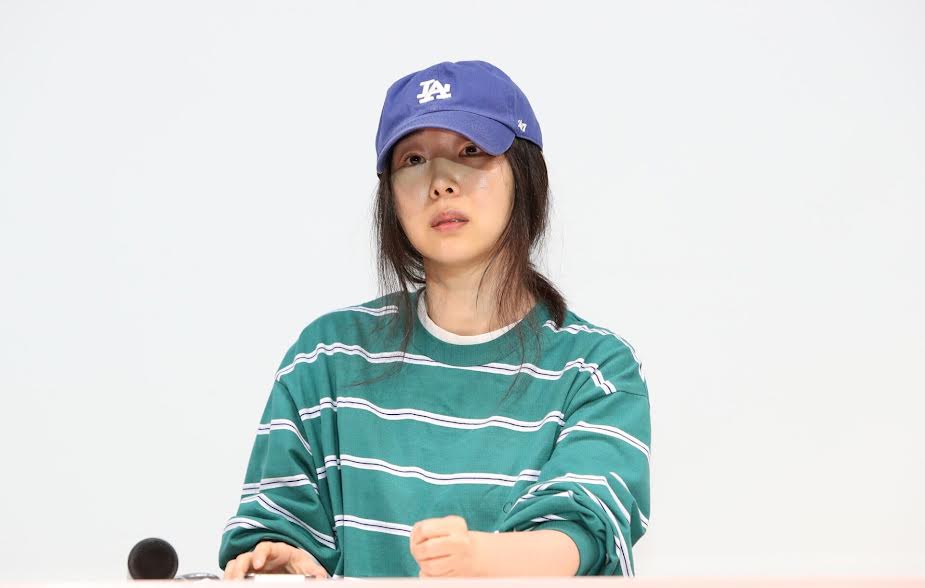
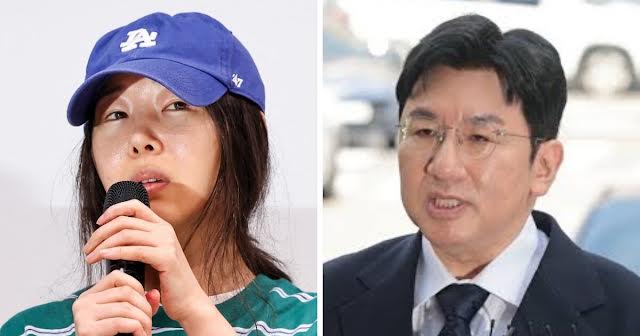
Min Hee Jin has answered HYBE's defence of NewJeans' 2022 exclusive contracts by arguing that the company is asking the public to believe two incompatible things at once. According to a statement from her representatives reported by Korean media and relayed by Koreaboo, HYBE says the contract contents are sound while also naming her as the person responsible for them. Her side says that framing avoids the more important question: which company actually had the power to draft and change the terms.
NewJeans signed the contracts with ADOR in 2022, when the members were between 14 and 17, according to the reporting. The New York Times examination of those terms, published on 5 November, raised concerns about protections for minors and other issues. HYBE issued a lengthy rebuttal the next day. Min, who is now chief executive of ooak records, responded through her representatives. The exchange has moved the argument from a broad corporate fight into the detail of how idol contracts are made.
What HYBE says Min approved
HYBE's account, as summarised by Koreaboo, places the signing process with Min and a deputy CEO she appointed. The company says proposals to reduce the members' share of costs were rejected, and that the contracts followed three months of talks and revisions involving NewJeans' own lawyers. HYBE's position is not simply that the contents are sound; it is that Min was central to approving them.
Min's representatives do not accept that version. They say the ADOR side did not have the legal machinery to draft the contracts independently, and that the deputy CEO at the centre of HYBE's statement was working inside a process controlled by the parent company. The dispute is therefore less about whether Min was involved and more about what her involvement could actually decide. That distinction is easy to blur in a public statement, but it is the heart of her rebuttal.
The 'shared function' argument at the centre
According to Min's side, ADOR had no legal team of its own because of HYBE's 'shared function' policy. HYBE's legal team drafted the contracts and every revision, while ADOR relayed questions from the members' parents. That claim is central because it shifts the emphasis from signatures to authorship. A label CEO can be involved in negotiations without controlling the clauses that reach the table.
Her representatives further say that ADOR's CEO could not finalise the contracts alone. They say sign-off was needed from HYBE's legal team, CFO and CEO, plus a board with two HYBE representatives and the ADOR CEO. They point to HYBE's own 2022 Sustainability Report as the description of that process. If that account is accurate, the question of who 'approved' the deal becomes a question about a chain of corporate approvals, not a single executive's decision.
Why the deputy CEO's message matters
The statement also revisits a message that ADOR's former deputy CEO is said to have sent to a parent during negotiations. According to Min's representatives, the deputy CEO explained that the contract was used across HYBE affiliates, making requested revisions difficult because HYBE was involved in final decision-making. The message is said to have asked the parent to trust ADOR and the staff Min led.
Koreaboo reports the account through Min's representatives, so it is part of her side's case rather than an independently published transcript.
The anecdote matters because it speaks to the experience of the people across the table. Parents negotiating for teenage members were being told that changes were constrained by a parent company, according to Min's account. That does not prove the clauses were unfair, but it does make the question of authority more concrete.
Min's side also says the talks HYBE describes produced only limited revisions to clarify wording, and that clauses allowing use of the members' likenesses and voices after their contracts end were drafted by HYBE's legal team.
A January 2024 request and the limits of ADOR's authority
Min's representatives also raise a January 2024 meeting with HYBE CEO Park Ji Won, in which she asked for authority to sign major contracts herself. HYBE told the media in May 2024 that it had rejected the request. Her side uses that sequence to ask why a CEO would need to request authority if ADOR already had enough to decide and enter exclusive contracts independently. It is a pointed question, though it does not by itself resolve how the 2022 contracts were handled.
The timing separates two issues: what happened during the 2022 negotiations and what ADOR's authority looked like afterwards. A company can involve a label CEO in talks while still keeping final approval at group level. Min's argument is that this is exactly what happened, and that HYBE's explanation leaves the central control mechanism out. Her representatives say the key factual issue is not who signed the contracts but who had the ability to draft and change their key provisions.

Trainee costs and the picture beyond signing
On costs, Min's side says ADOR waived trainee fees from the members' earlier period at Source Music rather than charging them. It adds that other HYBE labels reportedly charged trainee costs after debut. The point is not a complete answer to the concerns raised about the contracts. It is an attempt to show that the ADOR side made concessions for NewJeans even while operating inside HYBE's systems. Readers should treat it as part of a disputed account, not a settled audit of the group's finances.
That detail also illustrates how contract disputes often turn on things that are not visible in a headline. Cost-sharing, trainee debt and post-contract rights can shape an artist's working life long after a signing photo. In this case, both sides are using those details to argue about motive and control. The public record remains a set of competing statements rather than a neutral reconstruction of the negotiation.
What is actually in dispute
The precise division of responsibility remains contested. HYBE's statement and Min's rebuttal describe different versions of the same process, and neither account in the source reporting is a court finding. What can be said is that the argument has narrowed to a practical question: who could write, revise and approve the clauses that shaped a young group's career? That question matters beyond this dispute because it goes to how much autonomy labels have when they sit inside larger entertainment groups.
NewJeans are not a side issue in that question. The contracts were signed before the group's debut and cover the period in which their public profile was built. The current argument is being conducted by companies and representatives, but the terms affect artists who were minors when they signed. That is why the story has travelled beyond the usual corporate disagreement. It touches on how much protection young performers have, and who is accountable when those protections are designed.
The takeaway
The immediate takeaway is that HYBE has not closed the argument by saying Min approved the contracts. Min's side has responded with a process argument: approval, drafting and final decision-making were not the same thing. Until that distinction is tested with documents or a legal process, the public has competing explanations rather than a clear resolution. The useful next step is to watch whether either side publishes the approval chain it describes, and whether the contracts themselves become subject to a more formal review.