The headline from a Shanghai living room
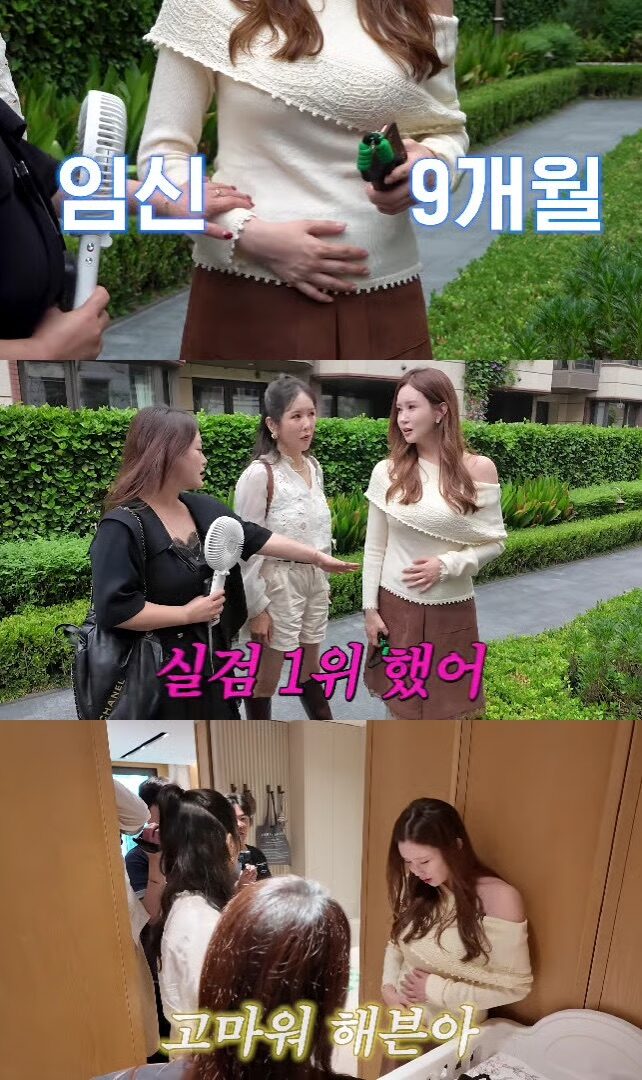
Lee Da Hae has confirmed that her pregnancy became a trending topic in China, and the reason was not a birth announcement or a baby-name reveal. According to reporting by Koreaboo, citing Star News, the actress said the conversation centred on how small her baby bump appeared at nine months pregnant.
The detail surfaced in a video published on 21 October on Jang Young Ran's YouTube channel, A-Class Jang Young Ran. Jang and comedian Shim Jin Hwa travelled to Lee Da Hae's home in Shanghai for the episode, and the pregnancy came up naturally during the visit. Lee Da Hae, who is expecting her first child with K-pop artist SE7EN, treated the attention with the mild amusement of someone who has watched a private detail turn into a public talking point.
What Shim Jin Hwa noticed first
It was Shim Jin Hwa who put the observation into words during the home visit. As reported, she remarked that however much she touched the actress's belly, it barely looked as though she were pregnant at all.
That reaction, from a friend rather than a stranger, frames the rest of the story. Lee Da Hae then confirmed that the same observation had travelled far beyond the room, telling the show that she had made it onto China's search rankings precisely because people were saying her belly was too small for someone nine months along.
The claim about the search rankings is the actress's own account from the video, as relayed in the reporting, rather than a figure released by a platform or agency.
For readers who follow Korean entertainment, the shape of the story will feel familiar: a passing comment between friends becomes a clip, the clip becomes a topic, and the topic is measured in search charts. What makes this instance notable is that the topic crossed into a different national conversation entirely.
Why an appearance detail travels so far
Pregnancy is one of the few areas where public interest in a celebrity's body is still treated, by many outlets and commenters, as affectionate rather than intrusive. Congratulations, due-date guesses and bump comparisons circulate freely, often in the same breath as genuine warmth for the couple involved. The result is a strange hybrid genre of coverage: part baby news, part physical appraisal, and rarely framed as the latter.
Lee Da Hae's response, as reported, did not read as a complaint. She described the trend with a note of surprise, and the conversation in the video moved on quickly to other subjects. Still, the episode illustrates how a pregnant artist's appearance can become a search term before the artist has said anything about it themselves, and how the explanation often has to come from the person at the centre of it.
There is a limit to what this one clip can tell us about Chinese or Korean audience attitudes more broadly. It documents a single couple's experience, described in a friendly variety setting, and it is worth treating it as that rather than as evidence of a wider shift.
The nursery, the crib and 'Heaven'
The visit also offered a look at the nursery Lee Da Hae has prepared ahead of the birth. Viewers saw a crib and a framed print of her very first ultrasound, among other items. The actress noted that the crib came through a brand sponsorship.
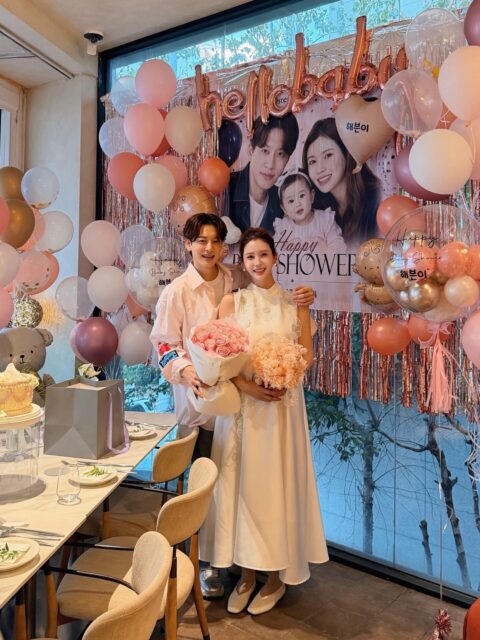
That detail led Shim Jin Hwa to observe that the couple's unborn baby, nicknamed Heaven, had already drawn numerous advertising offers. The remark is presented in the video as something the comedian had heard rather than as an official announcement, and no figures or brand names were given in the reporting.
It is nonetheless a revealing glimpse of how celebrity pregnancies are commercialised before a child is born. Sponsorships for nursery furniture and offers tied to an unborn baby are a well-established feature of the Korean entertainment industry, where a well-known couple's family life can become its own content stream. For fans, that can mean more footage and more access.
It also raises a question about who is consenting on behalf of someone who cannot yet consent at all, and how much of a child's early life is negotiated before they arrive.
Ten tests and the letter that made SE7EN cry
Elsewhere in the episode, Lee Da Hae described the moment she learned she was pregnant and the moment her husband did. She said she had struggled to believe the result even after seeing two lines on a test, and estimated that she took around ten of them.
The news reached SE7EN through a letter, and the reaction came from an unexpected direction. According to the actress, she was not the first to cry. As soon as SE7EN read the letter, he burst into tears, and seeing how happy he was made her happy in turn.
It is the kind of anecdote that variety shows are built for, and it offers a gentler counterpoint to the bump discourse. The reporting around the couple has tended to focus on milestones, offers and public appearances. This segment put the emphasis on a private moment between two people, recounted by one of them, in the relaxed register of a friend's living room.
A couple that has been public from the start
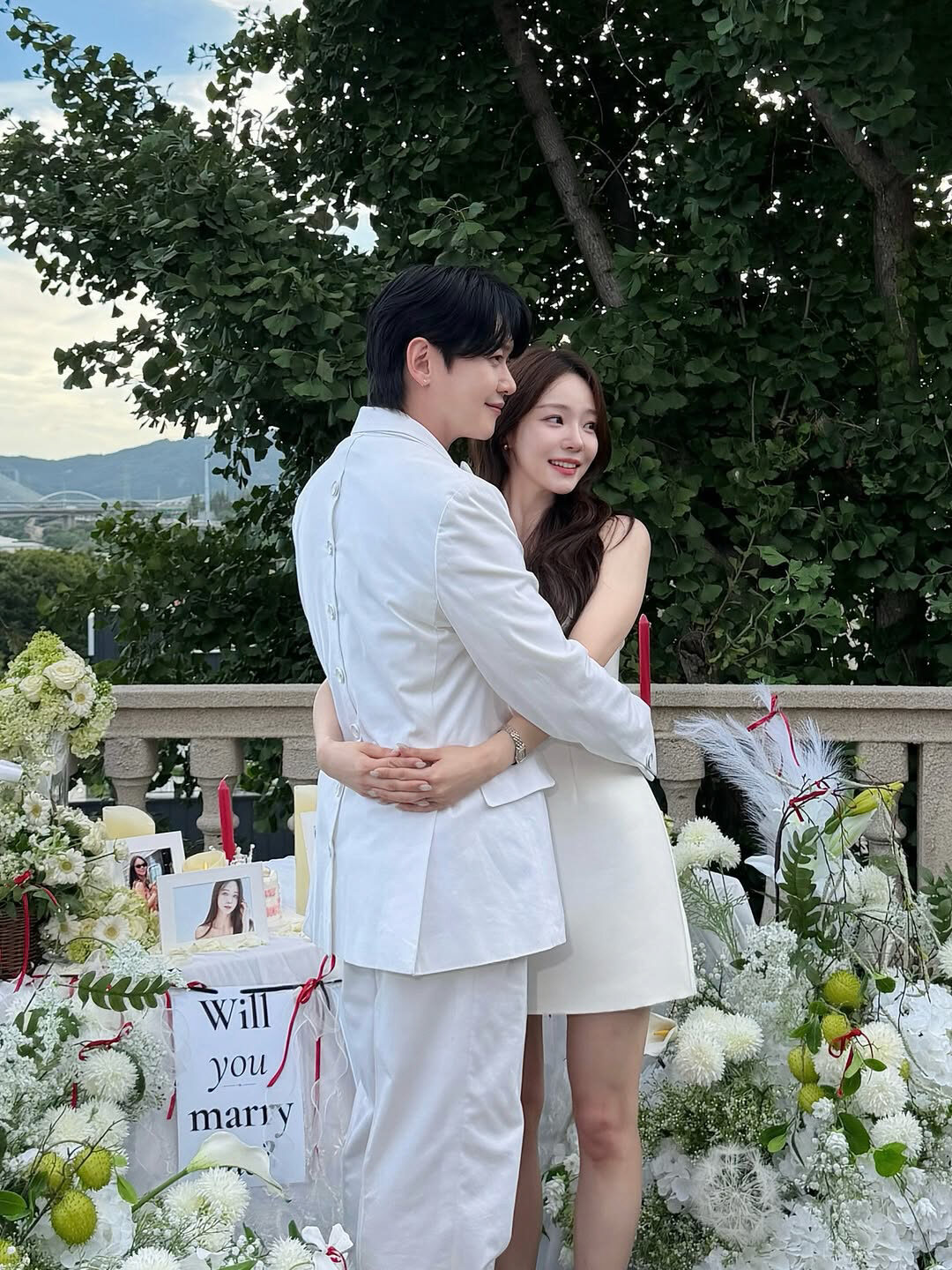
Lee Da Hae and SE7EN married in 2023 and are now preparing for their first child. Both have long-standing careers in Korean entertainment, and their relationship has been followed closely by audiences in Korea and across Asia, which helps explain how a single remark from a home visit could travel so quickly.
That reach cuts both ways. A devoted audience can turn a quiet observation into a search ranking within hours, as Lee Da Hae described, but the same attention can also stabilise a career, drawing sponsorship interest and coverage for years. The couple appear to be navigating it with a fair amount of humour, judging by the tone of the clip as reported.
What is not established here is how the two of them feel about the scrutiny in private, or whether they intend to change how much they share. The video captures one conversation on one afternoon, and nothing in the reporting suggests a broader statement about how they will handle their child's visibility after the birth.
The takeaway
The story is small and specific: an actress went on a friend's YouTube channel, mentioned that her pregnancy had been a search topic in China, and explained why. But it sits at the intersection of two persistent features of K-pop and Korean entertainment coverage, the appetite for detail about stars' family lives and the way that appetite is monetised long before a baby is born.
The fact worth holding onto is that Lee Da Hae herself framed the attention as unexpected rather than sought out. She had not announced a bump watch. She was visiting with friends, showing a nursery and telling a story about her husband crying over a letter. The rest was built around that.
For readers following the couple, the next milestone will be the birth itself, and what the pair choose to share afterwards. Share your view on where the line should fall.