What actually circulated
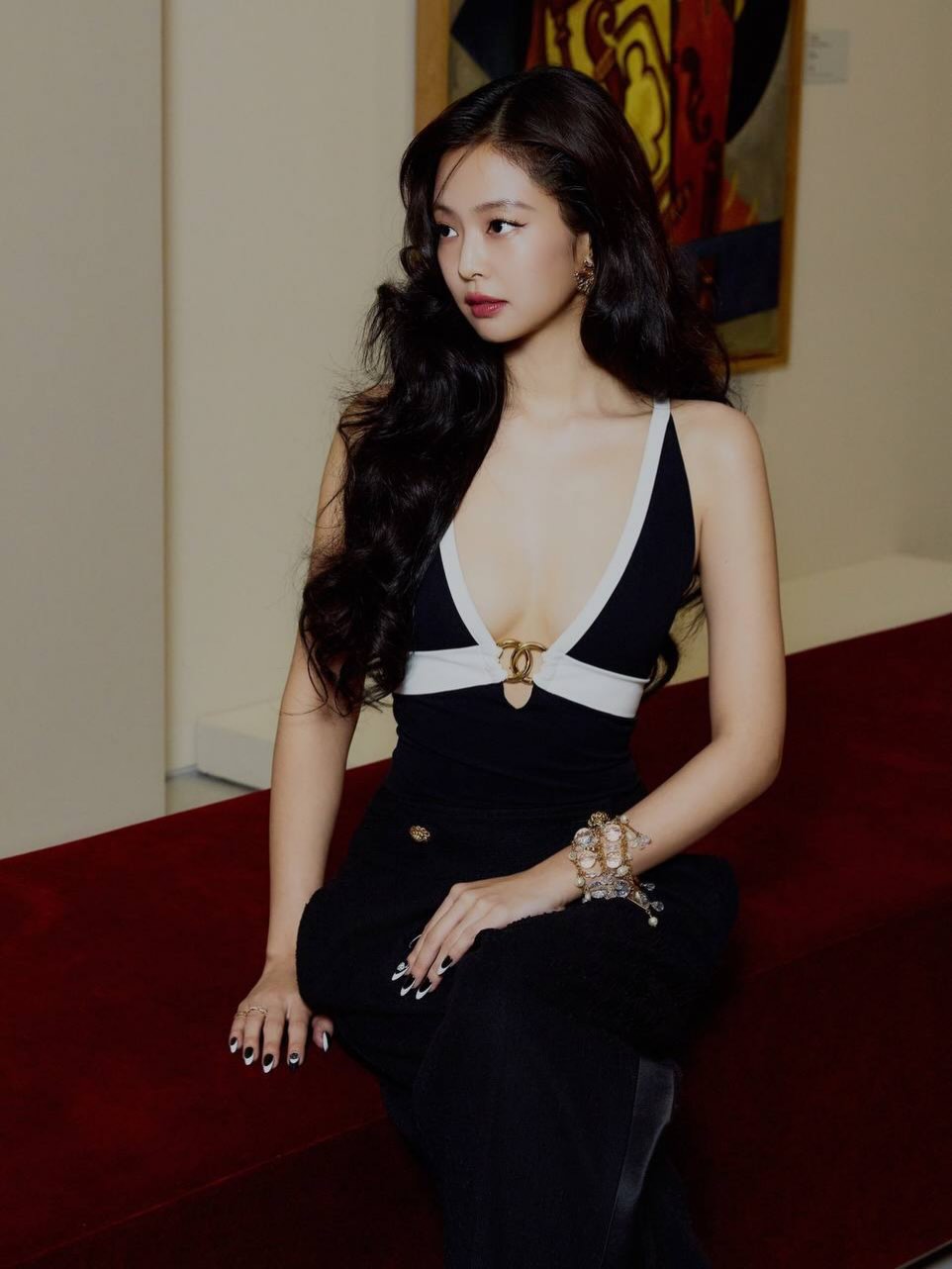
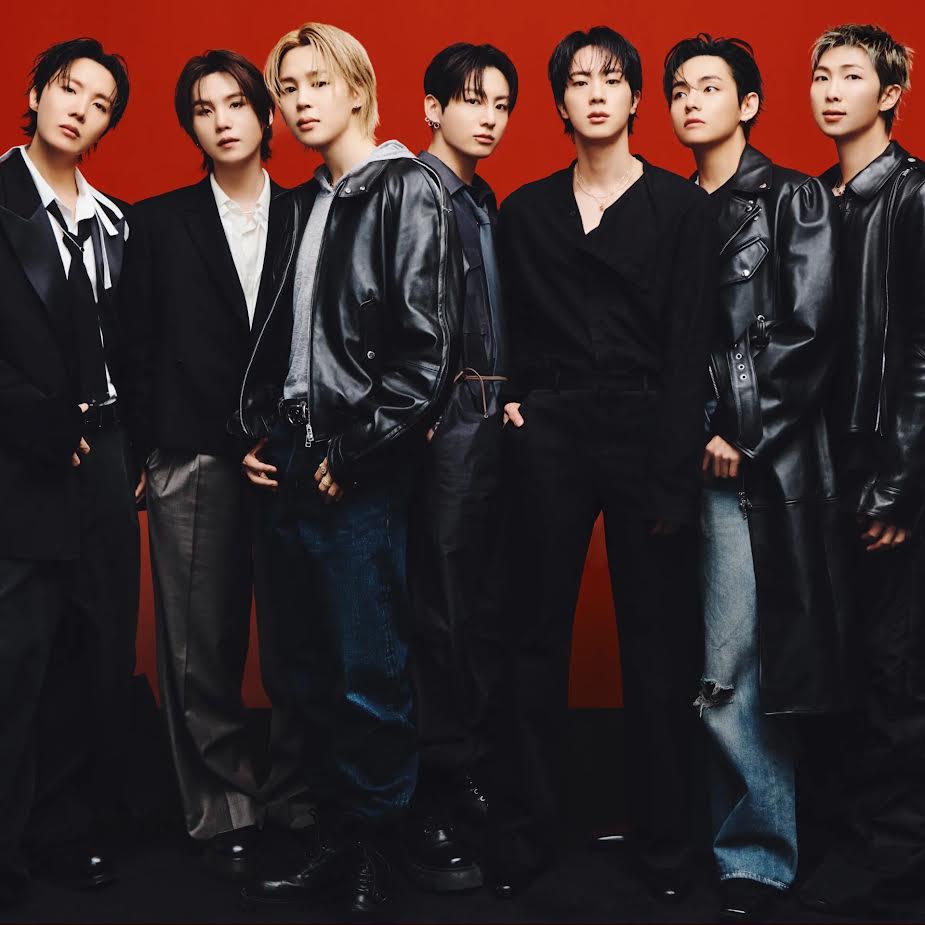
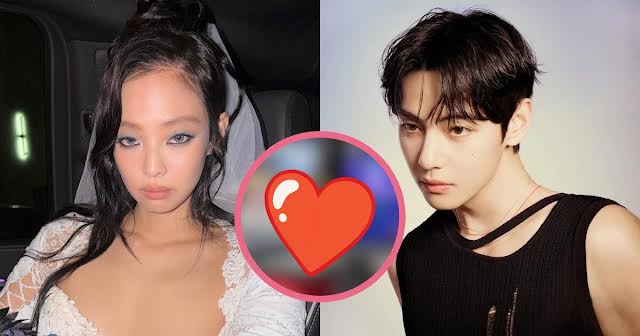
A blind item posted on 3 November has put BTS's V and BLACKPINK's Jennie back at the centre of a rumour that neither artist has addressed. As Koreaboo reported, the post alleged that an A-list K-pop group turned down a major festival partly because the booking clashed with a member's wedding. The post itself did not name the group.
A site that publishes blind items and later claims to reveal their subjects has since said the item referred to BTS, and named V and Jennie in connection with the wedding claim, citing an alleged sighting.
That is the substance of it: an anonymous post, a later attribution, and no on-record confirmation from either artist, their agencies or any festival. Koreaboo's report focused on how fans responded rather than treating the claim as established, and that distinction matters more than usual here. Nothing in the reporting establishes a wedding, a guest list, a date or a reason for any booking decision.
How the blind item format works
Blind items are a long-running fixture of entertainment gossip, particularly in the United States. The format withholds names and drops hints instead, so that readers can speculate while the outlet avoids printing a direct allegation. The reveal comes later, sometimes years later, once a story has broken elsewhere or a subject has been identified by other means. The structure gives a publication two moments of attention from one piece of unverified information.
Koreaboo notes that the site in question has made accurate reveals before and has previously brought up headlines involving BLACKPINK's Rosé and KATSEYE. A track record is worth knowing about, but it is not the same as evidence. A site can be right about some items and wrong about others, and readers outside the process have no way to check an anonymous source's access, motives or reliability. The reveal tells you what the site says the item was about.
It does not tell you that the underlying claim happened.
Why the reaction was laughter rather than alarm
The replies Koreaboo gathered from fans on X were less about denying anything than about the shape of the story. Several posters made the same joke from different angles: that the worst thing anyone could invent about BTS at this point in their career is a member getting married. One described the genre as fan fiction with a publishing schedule; another pointed out that dating is not a scandal in the way the format implies.
That reaction is worth taking seriously as a piece of fandom behaviour. The blind item relies on a particular expectation, that a relationship or a wedding would be damaging enough to conceal, and a large section of the audience no longer shares it. For fans who have followed the group through military service and a return to touring, a member having a private life registers closer to ordinary news than to a crisis.
The joke is a verdict on the format as much as on the claim.
It is also a signal about how quickly these cycles burn out now. When the audience refuses to be scandalised, the item loses the thing that made it profitable.
The rumour cycle this arrives inside
This is not the first time V and Jennie have been linked in viral posts. Earlier this year, a checked shirt V wore on arrival in Argentina restarted the rumour cycle, with fan clips and quote tweets doing most of the travelling. Before that, a debate over supposedly matching profile pictures drew attention until fans checked the timelines and found the photographs had been taken years apart.
The pattern is consistent. A fragment appears, usually a piece of clothing, a background detail or a timestamp; it circulates as a visual comparison; a claim about a relationship gets attached to it; and the original fragment turns out to support much less than the thread suggested. Each round is treated as new because the fragment is new, even when the underlying claim has not moved.
That does not mean fans are obliged to ignore every rumour. It means the burden sits with whoever is presenting the claim. A sighting described second-hand, with no location, time or witness beyond an anonymous source, is a weak foundation for a story about a wedding.
The festival detail is the weakest part
The original blind item's most concrete element was a scheduling claim: that a group declined a festival appearance and that a member's wedding was part of the reason. That is a claim about business decisions made by several parties, including the festival and the artist's management, and it is the kind of claim that tends to leave traces. Bookings slip, replacements get announced, and promoters talk.
None of that has surfaced publicly. We do not know which festival is meant, whether an approach was ever made, whether a date conflict existed, or whether a wedding was discussed at all. It is possible that fans will look back at a future announcement and find that the item lined up. It is equally possible that the item was written loosely enough to fit whatever happened next, which is how a lot of successful blind items work.
Treating the scheduling claim as the load-bearing part of the story is the right instinct. A wedding is hard to verify. A festival line-up is not.
What a reveal can and cannot prove
The mechanics here are worth separating out, because they are easy to blur. A blind item appears. Readers speculate. A site then publishes a reveal that attaches names to its own earlier post. In that sequence, the reveal is the site interpreting itself. It is not a second, independent confirmation, and it does not add a source that the original item lacked.
That is why the caution around this story is not excessive politeness. Two artists who have never publicly confirmed a relationship are now being discussed in connection with an engagement on the strength of an anonymous post and a follow-up. Neither BTS nor BLACKPINK nor their representatives have said anything on record about it, and there is nothing in the public reporting that would let a reader weigh the claim's accuracy.
Fans who repeated the story mostly did so to mock it. Outlets that repeat it without that framing are doing something different.
Why the stakes feel low to this audience
There is a reason the jokes landed the way they did. BTS returned to touring with a schedule built around a group that has already been through the phase where idol careers are most vulnerable to dating coverage. V has spent the year in front of crowds on the ARIRANG World Tour, and the conversation around him has been about performances, outfits and on-stage moments rather than his private life.
For a fandom that has watched members enlist, return and rebuild a touring operation, a wedding rumour is not the story they are waiting for. The blind item assumes an audience that treats a relationship as a revelation. The audience that actually showed up in the replies treats it as a Tuesday.
The takeaway
A blind item is a prompt for speculation, and this one has now had a name attached to it by the site that wrote it. That is the full extent of what is known. V and Jennie are linked in a viral post, not in a confirmed announcement, and the fans who responded loudest were laughing at the gap between those two things.
If a wedding, a festival withdrawal or anything else is ever confirmed, it will come with evidence attached: a statement, a date, a line-up change, a photograph with a source. Until then, this is a story about how a rumour travels, which is a real subject, even if the rumour itself is not.