The post that set the argument going
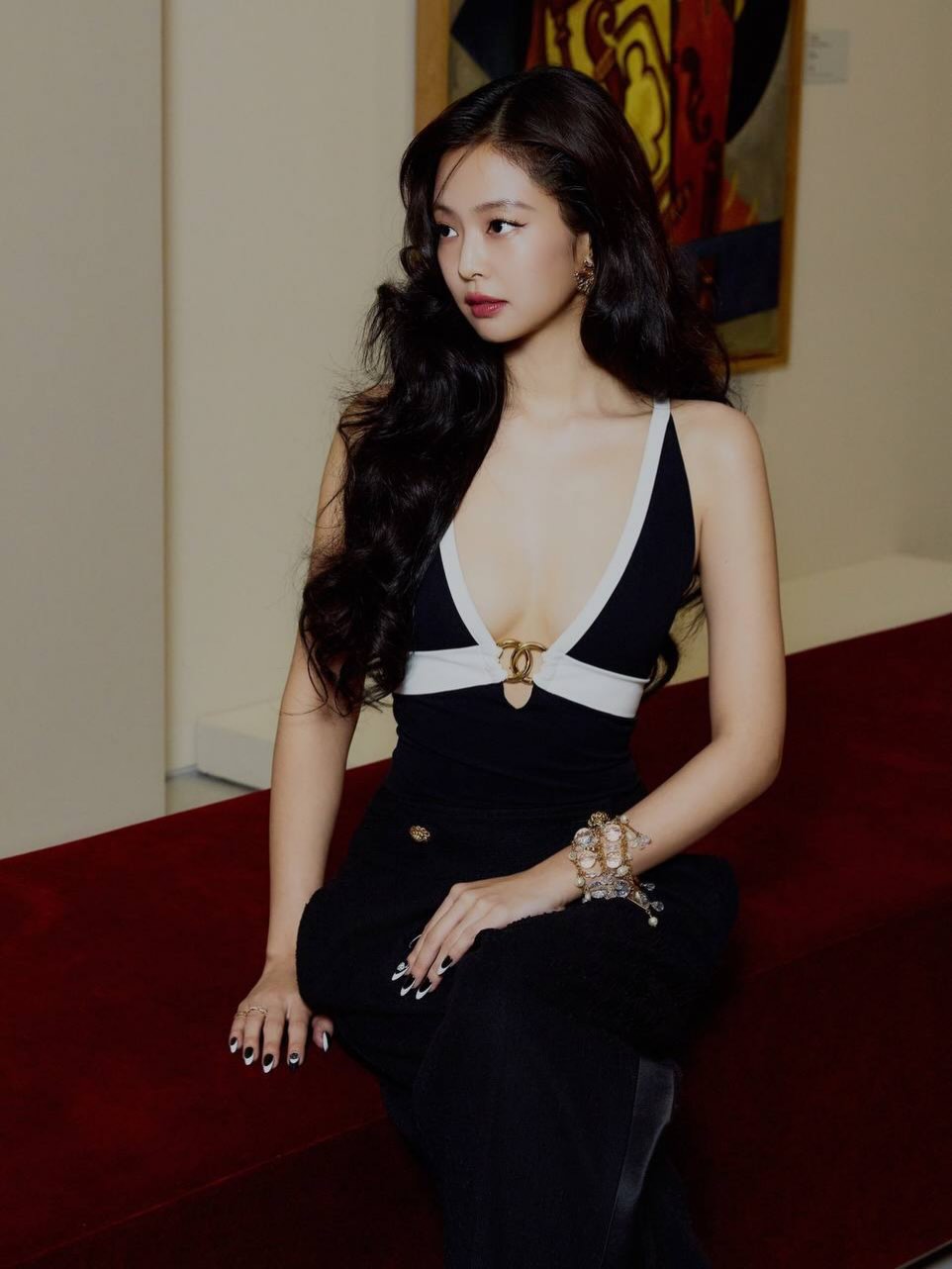
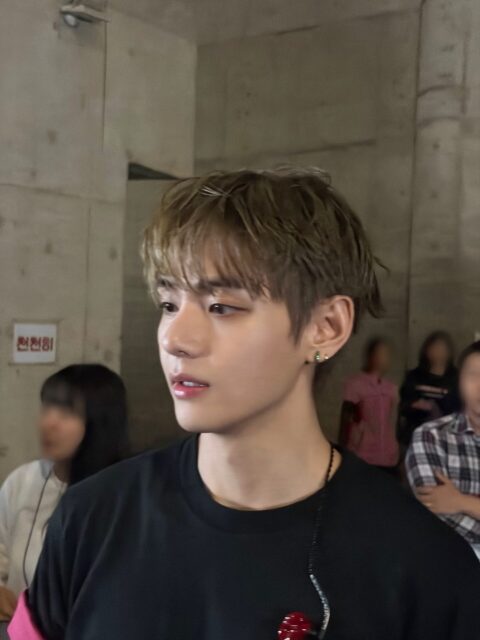
BLACKPINK's Jennie and BTS's V are at the centre of another round of online argument, this time over their Instagram profile pictures. According to Koreaboo, a viral post claimed that the two idols' profile photos — described in the post as a "matching couple" set — were taken by the same person. The claim spread quickly across fan timelines and was soon being discussed as evidence in the long-running speculation about the two artists.
The reactions split almost immediately. Some posters treated the connection as charming and leaned into the idea of the two as a couple, with one widely shared response comparing them to a well-known celebrity pairing. Others reacted with irritation, arguing that a shared photographer is a thin basis for anything, and that the comparison collapses once you look at when each photo was actually taken.
Neither Jennie nor V has addressed the speculation directly, and the original claim rests on a fan post rather than anything confirmed by either artist or their agencies.
Why fans say the comparison falls apart
The strongest objection was chronological. Fans responding to the viral post said the two images were captured roughly five years apart, which undercuts the idea of a deliberately coordinated pair of pictures. Others supplied context for Jennie's photo specifically: they said it dates from a 2019 trip she took with her mother and friends, and that her mother took the picture. A third set of replies argued that a friend of Jennie's was present on that trip and was responsible for photographs from it.
That context comes from fans, not from an official statement, and it is worth treating as claim rather than settled fact. Even so, it is specific enough to be checkable in a way the original post was not. The pattern here is familiar: a post makes a connection, the connection travels faster than the correction, and the correction arrives as a reply that most people scrolling past the original will never see.
By the time the timeline objection was circulating widely, the "matching" framing had already been repeated hundreds of times.
There is also a simpler problem with the original claim. Photographers work across the industry, and a shared name in the credits of two Instagram pictures is not unusual on its own. Treating it as a meaningful link requires assuming intent that nobody involved has stated.
A profile picture is never just a profile picture
Part of why this story travelled is that K-pop fans read profile pictures as deliberate. An idol's Instagram grid is usually curated, and the avatar is the most visible single image in that grid — it sits next to every comment the account leaves and every post it makes. When an artist changes it rarely, the choice starts to look like a statement, even when it may simply be a photo they liked.
That reading habit is not unreasonable. Idols and their teams do think about image management, and fans have learned to notice small signals. But the habit has a cost: once every avatar, caption and background detail is treated as coded communication, ordinary posting becomes impossible to read plainly.
A picture taken by a parent on a family trip and a picture taken by a professional on a work schedule can be placed side by side and made to mean something they were never meant to mean together.
The gap between those two readings — deliberate signal or ordinary photo — is where most of this week's argument has happened. Neither side can prove intent, because intent is the one thing a photograph cannot show.
How one fan post becomes a "heated debate"
The framing matters as much as the claim. A single post with a surprised caption becomes a conversation, the conversation becomes quote-posts, and the quote-posts become a story about a divided fandom. Koreaboo's report describes exactly that progression, gathering approving replies and angry corrections into one account of a debate.
This is how a great deal of K-pop discourse now works, and it is not unique to these two artists. The debate is real in the sense that people are genuinely arguing. It is thinner than it looks in the sense that the argument is mostly about how to read a photograph, not about anything either artist has said or done.
Readers arriving at the story later see a wall of conflicting posts and reasonably assume something new has happened, when what has happened is that an old claim has been recirculated with a new detail attached.
The rumour cycle keeps restarting
This is not the first time the Jennie and V conversation has flared up this year. K-Beats has previously covered an earlier wave of speculation that followed V's Argentina arrival, when a checked shirt in a fan clip set off another round of discussion. A Los Angeles restaurant caption that mentioned the two and was later edited produced a similar pattern, with fans picking over the wording and the edit rather than anything confirmed.
The recurring shape is what makes this week's post worth noting. Each flare-up tends to be triggered by something small and visual — an item of clothing, a caption, a photograph — and each one is resolved, if at all, by fans doing the archival work that the original post skipped. The corrections rarely travel as far as the claims, so the same ground gets re-covered months later.
For readers trying to follow it, the useful question is not whether a given detail is suggestive but whether it is new. Most of the time, it is a repackaged version of something that was already circulating and already had a mundane explanation attached.
What the scrutiny adds up to
There is a cumulative effect to this kind of attention that is easy to miss when each individual post looks harmless. Jennie's Instagram uploads are picked apart regularly, sometimes in far harsher terms than a debate about profile pictures; K-Beats has reported on the scrutiny directed at her social media posts before, and the tone of that coverage is a reminder of how quickly observation turns into judgement. V's appearances and outfits generate the same kind of forensic reading.
None of this requires either artist to have done anything wrong. It is simply what happens when two of the biggest names in K-pop are linked in fans' minds: everything they post becomes a data point in a story neither of them has told. The people doing the reading are often careful and well-intentioned, and the corrections in this week's thread were largely made by fans who wanted the record straight. But the volume of interpretation is not something either artist can opt out of.
It is also worth being clear about what is and is not in the public record. Two photographs exist. A fan post claimed a connection between them. Fans pushed back with dates and context. Beyond that, there is no statement, no confirmation and no development — just a conversation that has been running, in one form or another, for a long time.
The takeaway
The interesting story here is not the photographs. It is how quickly a thin visual link can be built into a claim, defended as affection by some fans and dismantled as invention by others, and then filed away to be reused the next time something small appears. The correction in this case was fast and specific, which is the best outcome such a thread can have. It still arrived after the claim had already travelled.
For fans, the practical lesson is the boring one: check the dates before sharing the theory, and treat a shared photographer as a coincidence until someone involved says otherwise. For everyone else watching K-pop's news cycle from a distance, this is a good example of why a viral post about two idols is not the same thing as news about them. The gap between the two is usually where the interesting part sits, and it is not closed by arguing about it harder.