A C- for the year HYBE's sales machine kept rolling
The Bias List's annual agency grading series reached HYBE Corporation on 11 November 2026, and the blog's verdict is a C-. Nick, who writes the assessments, is clear that the exercise is weighted towards music and comeback management rather than corporate performance, which makes the grade look odd at first glance: on the measures HYBE usually gets judged by, 2026 was another enormous year.
BTS returned. TWS delivered a first million-selling album. Several acts on the roster sold in the region of two million copies. The C- is a judgement about how those releases were made and presented, not about whether they shifted units. For anyone following HYBE's groups closely, that gap between commercial health and creative satisfaction is the substance of the post.
One critic's scorecard, and why the labels matter
The framing is worth setting out. Nick writes that scandals and non-musical factors can affect a grade, but that the biggest criteria will always be the music itself, and he notes that his thoughts are his own rather than based on insider information. This is one critic's openly subjective scorecard, not a set of measured industry findings. Its value lies in the specifics: which comebacks landed, which felt thin, and where the company's house style appears to be working against its own artists.
HYBE is also a conglomeration of labels, and the post is organised around that. Fortunes differ sharply by subsidiary, so a single letter flattens a lot. Pledis and KOZ come out of the write-up looking healthy, while parts of the girl-group roster and the Japanese act aoen draw much harsher notes. Reading it as a verdict on one company misses the point that the same company is being praised and criticised for different rosters in the same breath.
Pledis: TWS keep the standard, Seventeen adapt
TWS are named as Nick's favourite K-pop group of the moment, and the assessment is affectionate but not uncritical. He is not sure their 2026 output quite matched 2025 and 2024, yet rates them among the most consistent acts in K-pop, with a team behind them that knows what it is doing on song selection and artistic direction. Their spring mini No Tragedy gave them a first million-selling album, and he welcomes the members becoming more active in songwriting.
The wish for 2027 is blunt: a full album, because it is well past time.
At the other end of the Pledis story is a fragmented SEVENTEEN. With members enlisting and going on hiatus, the blog sees the split into duos as a sensible way to keep promotion going. The music across those units is described as uneven, but each pairing being allowed its own sound is counted as a plus, with the V8 unit named as the pick of the year.
BOYNEXTDOOR, CORTIS and a roster of reliable million-sellers
KOZ Entertainment's BOYNEXTDOOR are handed a solid year, most of it tied to their first full album Home. Nick argues the material was strong overall even if the group did not match the commercial ubiquity of 2025's If I Say, I Love You, a reminder that a first full-length does not automatically convert into the same scale of hit as a breakout single.
CORTIS are the year's explosion in his telling. Having debuted with impact the year before, they broke through properly in 2026, with REDRED becoming one of the year's representative tracks and rookie album sales described as absurd. The caveat is that the rest of their discography has been polarising, and their second EP is judged to lack the excitement of the debut.
TXT and ENHYPEN are credited as sales monsters routinely approaching or passing two million copies, the kind of run that has kept ENHYPEN, CORTIS and BOYNEXTDOOR near the top of Billboard's World Albums chart. Heeseung's departure and solo debut as Evan is said not to have dented ENHYPEN's fortunes, and the solo material is rated decent.
Further down the roster, &TEAM have grown into million-sellers in both Japanese and Korean comebacks, even where the blog thinks the music dipped, and HYBE Latin America's Santos Bravos are counted a success on both quality and the global audience they appear to be building.
BTS: a huge comeback that stayed inside the fandom
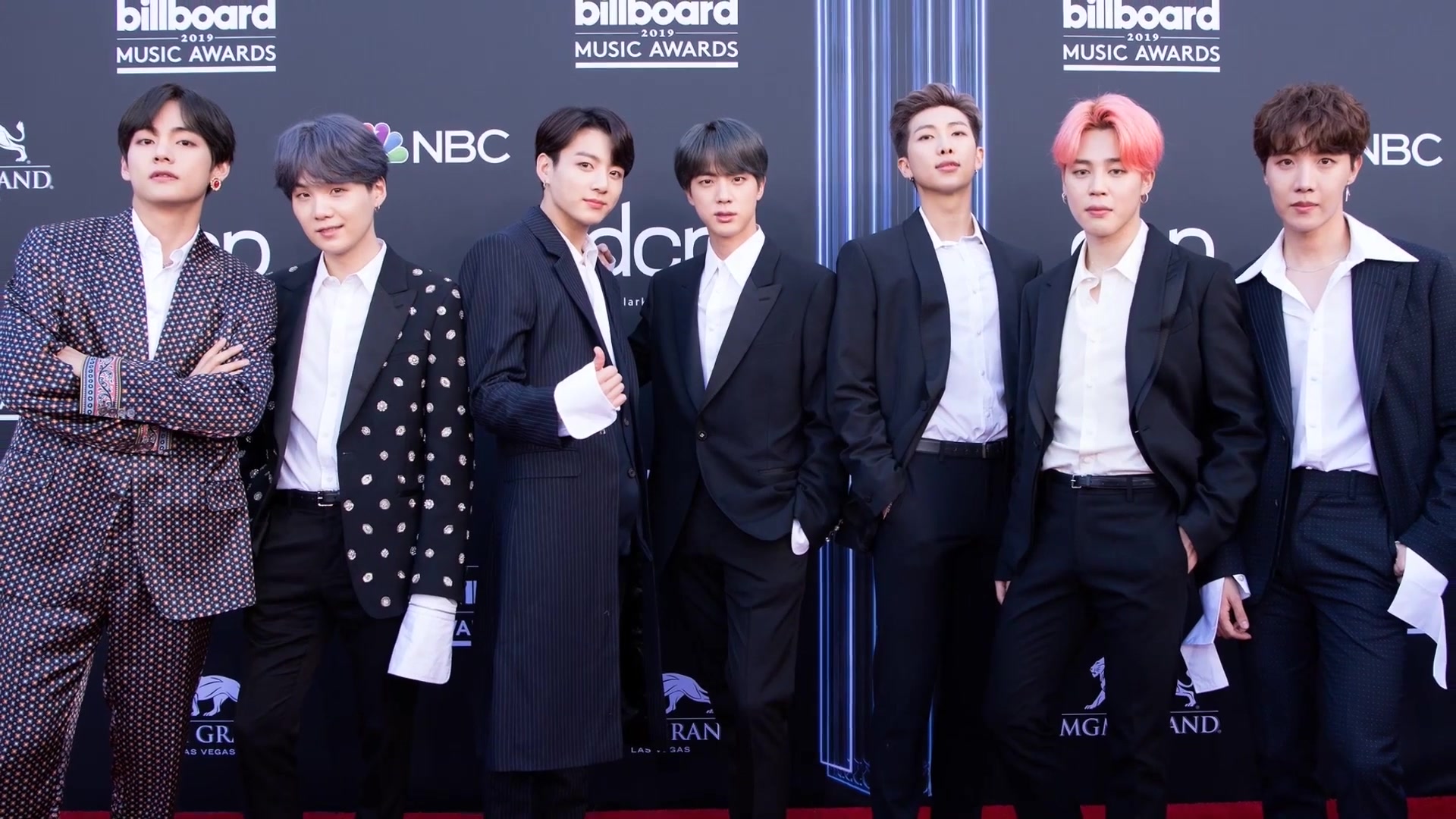
No account of HYBE in 2026 can avoid BTS, and Nick does not try. Their return was the event the year was built around and it delivered commercially, with no other act currently able to command those sales. The argument that follows is the post's most contentious: that the cultural reach of the return was narrower than expected, with much of the impact siloed inside an already enormous fandom.
Swim, he concedes, was technically a huge number one, but he asks why it does not feel like one, and doubts it will read as a representative song of the year. On that basis he calls the Arirang era a commercial success that fell short culturally by the group's own standards. It is a claim about ubiquity and staying power rather than chart position, and readers can weigh it against their own sense of how far the music travelled beyond the existing audience.
The short-song habit and the gimmick question
Two company-wide criticisms carry most of the weight in the grade. The first is song length. Nick argues that even as other agencies return to fuller structures, HYBE remains stubbornly attached to ultra-short singles that often skip a bridge or a final chorus, and he calls the company the leader of a trend he considers awful. He does not accept that the commercial results justify it, and points to online sentiment among fans as evidence that brevity is not what they want.
The Bias List made a similar point about a sub-2:30 runtime in its recent JxJ single review, so this is a consistent line in the blog's coverage rather than a one-off complaint.
The second is gimmicks, which he limits mainly to the girl groups. The Macarena sample in Boompala, the repeated whistling in You're Under Arrest and the lyricism he describes as brainrot on Katseye releases are held up as examples of a company releasing memes rather than music. The critique is not that hooks are bad; it is that novelty appears to be doing the work that stronger songwriting used to do.
The girl-group ledger: ILLIT, LE SSERAFIM, Katseye, Tuide and NewJeans
ILLIT had what the post calls a highly successful year on the charts with meme-ready material, which sits awkwardly with the criticism above: the approach works commercially even where the critic finds it creatively thin. LE SSERAFIM remain near the top of the girl-group pack but saw a noticeable slip in both sales and cultural presence after last year's Spaghetti, something Nick says does not worry him much while still concluding they need better material.
Katseye's 2026 is described as rocky, with roster changes and absences, and the blog questions whether the project was built to last.
HYBE's new girl-group subsidiary ABD is left with the jury out. The debut of Tuide is characterised as less of an event than it needed to be, and Nick reads that as audiences tiring of a template recycled across modern girl groups, with the observation that NewJeans' appeal cannot be reproduced indefinitely.
NewJeans themselves spent another year without new material amid legal disputes, and the post offers a cautious note about how much a fast-moving industry will have changed by the time they return in whatever form that takes.
What the C- is really asking for in 2027
The closing list is short and specific: longer songs, bridges, final choruses; less reliance on meme hooks and TikTok-friendly catchphrases; a full TWS album; CORTIS leaning into the REDRED sound rather than everything else they have tried; and more cross-group sub-units and variety appearances so that HYBE's acts interact rather than sit in separate silos.
Taken together, the grade is less a prediction of decline than a critique of craft at scale. HYBE's commercial machinery is not in question in the post at all, which is why a C- alongside all those million-sellers is coherent rather than contrarian. The open question is whether a company that has proved it can sell almost anything will decide that the songs themselves are worth lengthening, and whether listeners reward that shift if it comes.