
What Seo In Young Said About Dating Behind a Ban
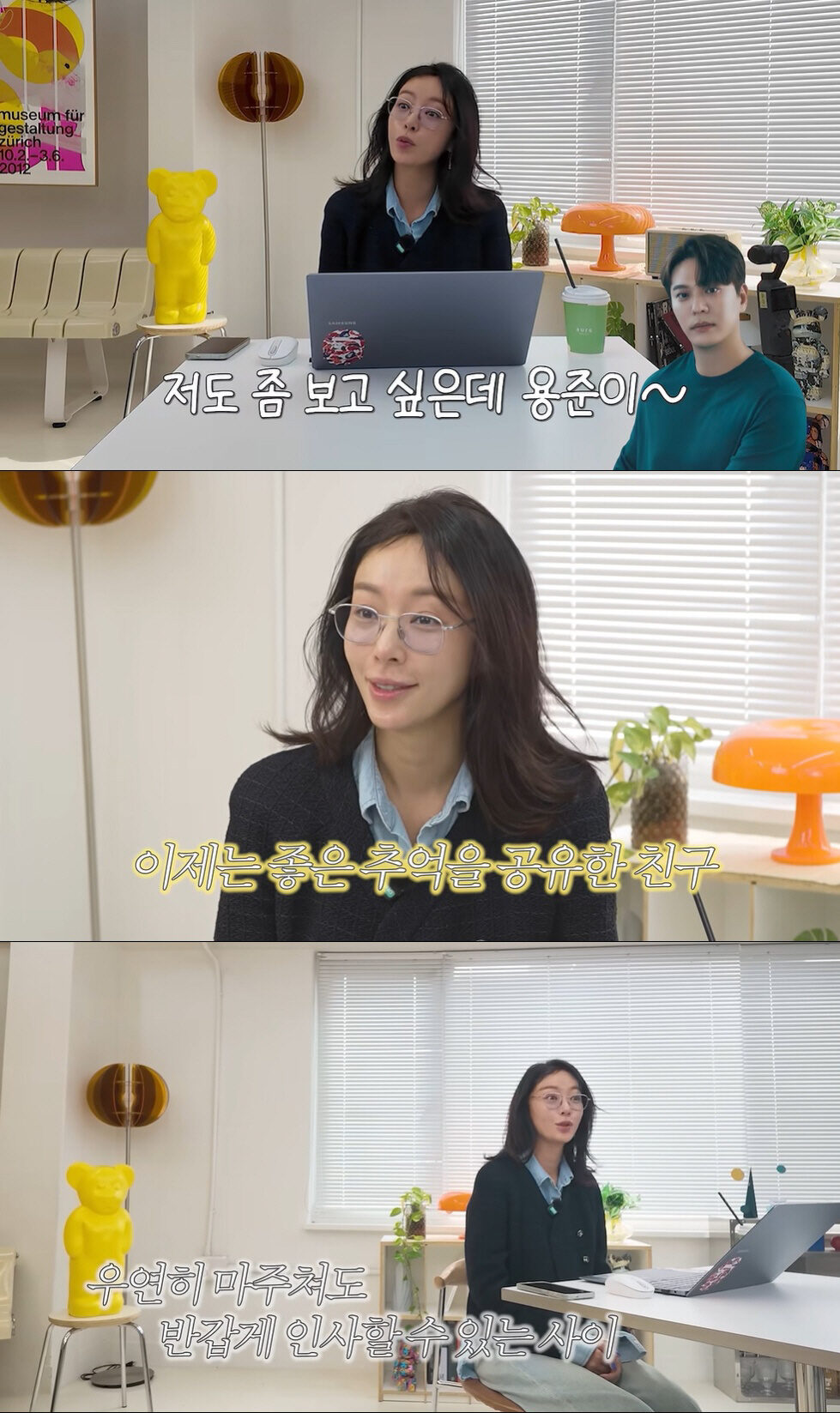
Seo In Young, originally from the girl group Jewelry, has said that an agency dating ban did not stop her from having a relationship during her promoting years. In a video on the YouTube channel TEO that featured her on 27 October, she described keeping a boyfriend while the policy was in place, and recalled the moment her CEO found out.
Her account, reported by Koreaboo, is delivered as anecdote rather than grievance. She says that when she told the CEO she was in love, he told her to leave. The relationship, by her reckoning, ran for about three years and six months.
That a veteran idol would talk this openly about a rule she was expected to follow is the reason the clip has travelled. Dating bans have long been part of the folklore of the K-pop industry, discussed by fans far more often than by the people who were subject to them. Here, one of those people gives her own version, with details and a punchline.
Karaoke, Cancelled Schedules and a Return to the Building
The dating story is only part of what she described. Seo In Young also sketched a working life in which free time was seized whenever a schedule fell through. If a commitment was cancelled, she said, she would head to karaoke and then go straight back to the broadcasting station.
She also said she took part in rehearsals while still not fully sober. That detail arrives in the same breezy register as the rest, offered as evidence of a packed diary rather than as a confession to be examined. Listeners will read it differently depending on how they view the standards expected of performers, but the source material presents it as her own recollection of a hectic period, without further context about when it happened or how often.
Taken together, the anecdotes describe something less dramatic than rebellion and more like improvisation. Time off was rare and unpredictable, so it was spent quickly, close to work, and often with a watch on the clock.
The CEO's Reaction and What It Actually Meant
The line about being told to leave is the one that will be quoted most. Quoted in isolation, it sounds like an ultimatum. In the video, as described, it lands as a remembered exchange, delivered with amusement rather than resentment, and the account does not spell out whether it was a formal warning or an exasperated remark that both parties understood differently.
That ambiguity is worth holding on to. Anecdotes told years later compress events: a conversation becomes a one-liner, a warning becomes a joke, a serious moment becomes a story worth retelling. What comes through clearly is that the policy existed, that she broke it, and that her boss found out.
Dating bans themselves have varied widely across companies and eras, and there is no single standard contract to point to. Some agencies have acknowledged them openly; others have denied that anything so formal exists. Seo In Young's account is one person's experience of one company at one time, not a description of the whole industry.
Three Years and Six Months, and the Day He Was Caught
The length of the relationship is what makes the story more than a punchline. Three and a half years is not a fling fitted around a gap in the comeback calendar; it is a long stretch of ordinary relationship maintenance carried out while publicly presenting as unattached. She also shared an episode in which her boyfriend came to pick her up and was caught.
Logistics do a lot of the work in stories like this. Idols under a ban are not simply hiding a person; they are managing who collects them, who sees them arrive and leave, which staff members know and which fans are waiting outside. Her account gives a glimpse of that machinery without going into detail about how the couple managed it over the years.
The detail also complicates the assumption that dating bans function as effective prevention. If a relationship can run for more than three years alongside a promotional career, the rule is better understood as a public-relations instrument than a personal one.
'Is Having Fun a Crime?'
The framing she chose is defiant but cheerful. She said she always worked hard and never did anything half-heartedly, adding that she played hard too, and asking whether having fun was a crime. She went on to say that her heart is still young but her body cannot keep up, and that youth should be enjoyed while it lasts.
It is the sort of line that reads as wistful when spoken by someone looking back at a period of exhaustion dressed up as glamour. The claim she makes is not that the industry was cruel, but that she got her share of enjoyment out of it anyway, and that she does not regret doing so.
For readers who only know the polished version of idol life, the value here is in the accounting: work and play described as two things she did with equal seriousness, rather than one justified by the other.
A Format Built for Looking Back
The setting matters. TEO's interview format has become a regular stop for performers from earlier waves of K-pop, giving them room to tell stories that would never fit into a press conference or a comeback showcase. The tone is conversational, the questions are loose, and the running time allows for tangents.
Seo In Young is not alone in using that space to discuss romance and its complications. SISTAR's Bora has talked about her own dating style and the two-hour breakup call that ended one relationship, and Stephanie of CSJH The Grace addressed a 23-year age gap in her own relationship on a similar show. These are not revelations extracted under pressure; they are veterans choosing what to share on their own terms.
That shift is worth noticing. A generation of idols who spent their twenties being asked to appear unattached now get to narrate those years themselves, with the benefit of distance and, often, a sense of humour about it.
The Takeaway
Seo In Young's story is not a scandal and she does not present it as one. It is a reminder that the rules governing idol careers were lived by people who found ways around them, and that the passing of time turns those workarounds into dinner-party material.
What the account leaves us with is the ordinary messiness behind a managed public image: a cancelled schedule spent at karaoke, a boyfriend waiting to collect her, a CEO who found out, a relationship that lasted years longer than the ban was supposed to allow. The industry may have moved on from that era of contracts, but the people who worked through it are still here to describe what it felt like.