
TWICE's Tzuyu criticised over her appearance at F1 Singapore Grand Prix
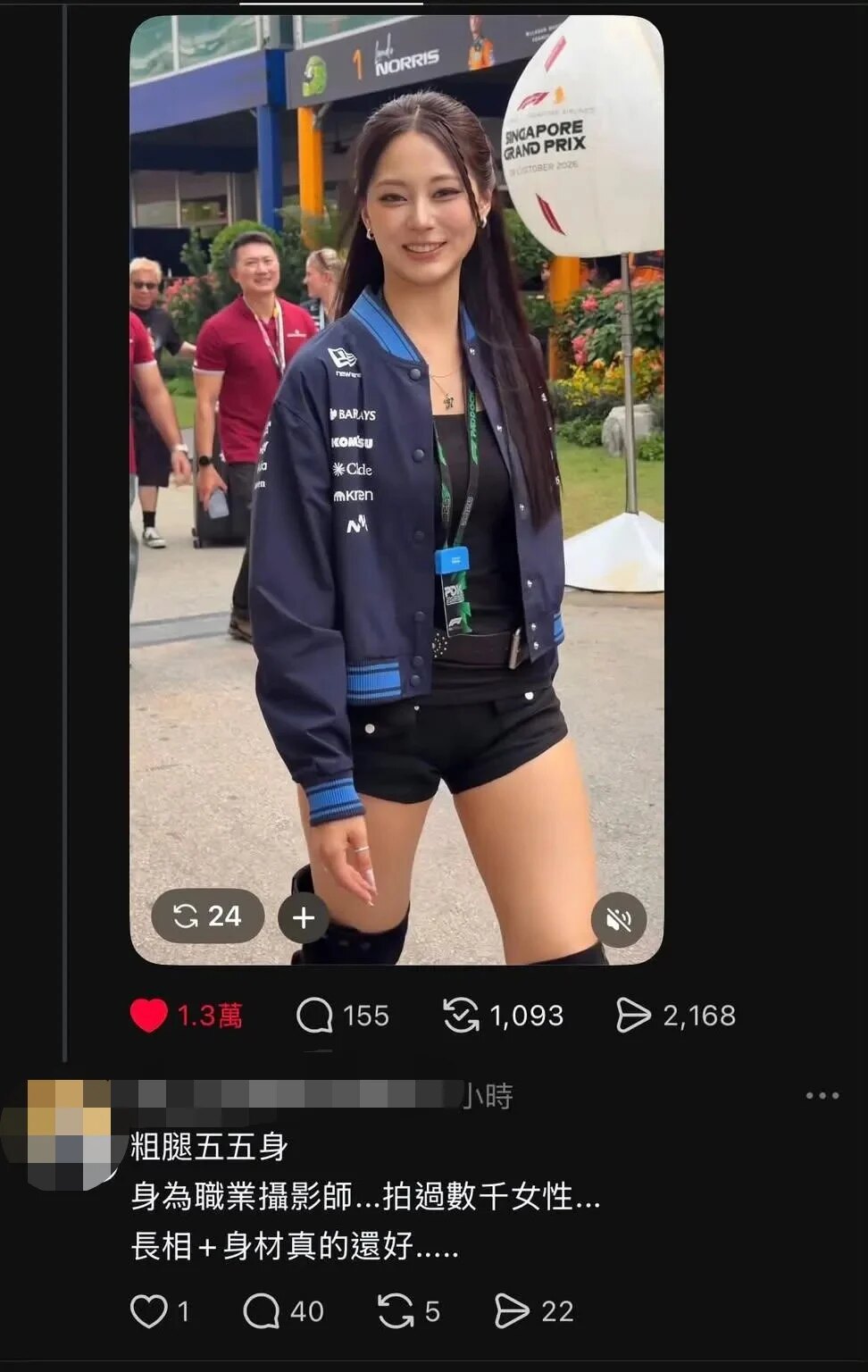
TWICE member Tzuyu has become the subject of a body-shaming row after a Taiwanese photographer criticised her appearance at the Formula 1 Singapore Grand Prix. According to a report from Koreaboo published on 11 October 2026, the photographer described her as having 'thick thighs' and claimed she had poor '1 to 1' body proportions. The comments followed her attendance at the race as part of the Atlassian Williams F1 x Dan Da Dan collaboration.
Tzuyu appeared throughout the race weekend and wore a variety of outfits, several of which highlighted her muscular legs. The report notes that she also shared more information about her solo song, which will serve as the theme song for the collaboration. What might have been a straightforward promotional appearance instead became the centre of an online storm after the photographer's remarks circulated.
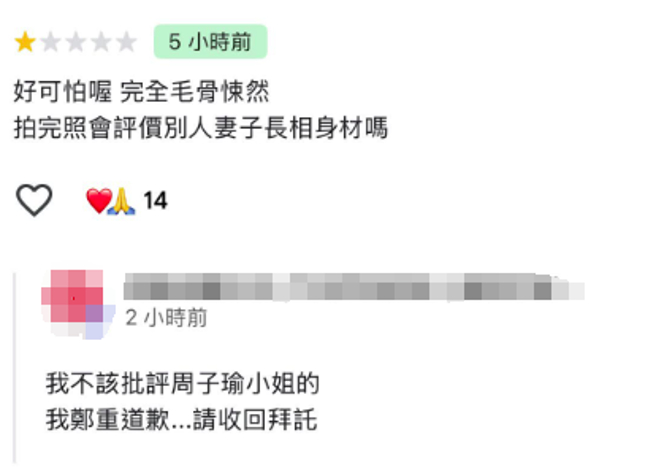
Fans of the idol quickly identified the photographer and left a wave of one-star reviews on his official Google Business Page. Koreaboo reports that his rating fell to one star on the platform. The photographer subsequently apologised, stating that he should not have spoken negatively about Tzuyu. Following the apology, the reviews were removed and his original rating was restored. The incident has drawn attention to the persistent issue of body-shaming in K-pop and the ways fandom can mobilise in response.
While the immediate conflict appears resolved, the episode raises questions about public commentary on idols' bodies, the power of online review platforms, and the pressures faced by female performers in the industry.
The F1 collaboration and Tzuyu's expanding solo profile
The incident took place against the backdrop of a notable crossover between K-pop, Formula 1 and anime. The Atlassian Williams F1 team partnered with Dan Da Dan, a popular anime series, for a collaboration that brought Tzuyu into the F1 paddock. According to Koreaboo, her solo song will serve as the theme song for the collaboration, marking a significant moment in her individual career beyond TWICE.
Such partnerships have become increasingly common as K-pop artists seek to reach audiences beyond traditional music fandom. Formula 1 races attract a global viewership, and an idol's presence at a grand prix can introduce them to new demographics. For Tzuyu, the Singapore appearance was both a promotional opportunity and a chance to speak about her solo work. The report notes that she shared details about the song during the event.
However, this wider exposure also brings a different kind of scrutiny. Audiences unfamiliar with K-pop's conventions may comment on idols in ways that clash with the expectations of fans. The criticism from the photographer illustrates how quickly a celebratory moment can be overshadowed by commentary on an artist's body rather than their work. The collaboration itself, meanwhile, represents a strategic move by the Williams F1 team to tap into anime and K-pop fandoms, two of the most passionate online communities.
Dan Da Dan has a significant following, and its association with Formula 1 could attract new viewers to the sport. For Tzuyu, the theme song offers a platform to showcase her vocal abilities to a global audience. Yet the focus on her appearance in some quarters suggests that even in cross-industry ventures, female idols may still be evaluated primarily on their looks.
This dynamic is not unique to this event, but it is highlighted by the contrast between the professional purpose of her attendance and the personal nature of the criticism.
The nature of the criticism: 'thick thighs' and '1 to 1' proportions
The photographer's criticism focused on Tzuyu's physical appearance. He described her thighs as 'thick' and claimed she lacked '1 to 1' body proportions, a phrase often used in beauty commentary to suggest a lack of balance between different parts of the body. Koreaboo characterises the remarks as negative and notes that not everyone approved of her appearance at the event.
The term 'thick thighs' is sometimes used as a descriptor, but in this context it was clearly intended as a criticism. The phrase '1 to 1' proportions is less common and may refer to a perceived ideal where the upper and lower body are balanced in a certain ratio. Such standards are subjective and vary across cultures and eras. What one person considers proportionate, another may see differently.
Professional photographers often comment on technical aspects of an image, including lighting, posing and proportions. However, when such commentary is directed at an individual's body in a public forum, it can cross into body-shaming. The distinction matters because body-shaming can have serious psychological effects, particularly for individuals in the public eye. Idols are already under immense pressure to meet certain standards, and public criticism of their bodies can exacerbate those pressures.
In this case, the criticism was not framed as technical advice but as a negative assessment of Tzuyu's figure. The fact that it came from a professional photographer might have lent it an air of authority, but it also made it more hurtful. Fans were quick to defend Tzuyu, as seen in the subsequent review-bombing campaign. The episode raises the question of where the line should be drawn between critique and shaming.
Fan response: review-bombing and the power of fandom
Fans wasted little time in responding to the photographer's comments. According to Koreaboo, they tracked down his Google Business Page and posted numerous one-star reviews, causing his rating to drop to one star. This tactic, sometimes called review-bombing, is a form of online protest that can have immediate and visible consequences for a business's reputation. In this case, the effect was swift and the photographer issued an apology.
The speed of the response highlights the organisational power of K-pop fandoms. Fans are often highly connected through social media and can coordinate action quickly. When they perceive an injustice against their favourite artist, they can mobilise to apply pressure. In this instance, the target was a small business, and the impact was significant. The rating drop was a tangible consequence that likely motivated the apology.
However, review-bombing is a controversial tactic. It can be seen as a form of harassment or disproportionate punishment. A business's rating may reflect a single incident rather than its overall service, and the tactic can be used to punish people for opinions rather than actions. In this case, the photographer apologised and the rating was restored, but the episode highlights how online platforms can become battlegrounds for fandom disputes.
The incident also raises questions about accountability in the digital age. While fans may feel they are defending their idol, the line between activism and bullying can blur. The photographer's apology suggests that he recognised his remarks were inappropriate, but the method used to extract that apology may not be universally endorsed. It is a reminder that online actions have real-world consequences, both for the target and for the public perception of the fandom.
The photographer's apology and the restoration of his rating
The photographer's apology marked a turning point in the incident. According to Koreaboo, he said he should not have spoken negatively about Tzuyu. After the apology, the reviews were removed and his original rating was restored. This sequence suggests that the fans' campaign achieved its immediate goal: an acknowledgement of wrongdoing.
The apology itself was brief and did not elaborate on his reasons for making the comments. It is unclear whether he fully understood the impact of his words or whether the apology was primarily a response to the review-bombing. Regardless, the restoration of his rating indicates that the platform's review system can revert once the campaign stops. This raises questions about the reliability of online ratings when they are subject to coordinated campaigns.
For Tzuyu, the apology may offer some closure, though the initial criticism remains a matter of public record. The incident has been widely reported, and the conversation about body-shaming continues. The fact that the photographer faced consequences for his remarks may serve as a deterrent to others who might consider making similar comments. However, it also highlights the power of fandoms to influence outcomes, which can be both positive and negative.
The aftermath also invites reflection on how public figures and professionals should engage with idols' appearances. A photographer's role is often to capture images, not to critique bodies. When a professional crosses that line, it can damage trust and reputations. The apology, while necessary, does not erase the original harm. It is a reminder that words carry weight, especially in the digital age where they can spread rapidly.
Tzuyu's history of body commentary: praise and criticism
This is not the first time Tzuyu's figure has been a topic of public discussion. Koreaboo notes that in the past her figure was praised by fans as healthy, though some negative reactions followed. That pattern is familiar in K-pop, where female idols frequently face intense scrutiny over their appearance, with fans often defending healthy body images against critics.
The praise for 'healthy curves' can itself be a double-edged sword. While it may be intended as a positive counter to unrealistic beauty standards, it still places an idol's body at the centre of conversation. The line between celebrating a healthy figure and policing it can blur, and the sheer volume of commentary can be exhausting for the artist involved. When fans praise an idol for being 'healthy', they may inadvertently reinforce the idea that her body is a matter for public debate.
The negative reactions that followed the praise suggest that not everyone shares the same view. Body preferences are subjective, and what some see as healthy, others may criticise. For Tzuyu, this means that her appearance is constantly evaluated, regardless of her professional achievements. The cycle of praise and criticism can be difficult to navigate, especially for someone who has been in the public eye since a young age.
The incident at the F1 event is a continuation of this pattern. It underscores the need for a broader conversation about how society discusses women's bodies, particularly in the entertainment industry. While fans may have good intentions in defending Tzuyu, the underlying issue is that her body should not be a subject of critique in the first place. Until that changes, similar incidents are likely to recur.
Body image pressures on female K-pop idols
Body-shaming remains a persistent issue in the entertainment industry, and K-pop is not immune. Idols are often expected to maintain specific physiques, and any deviation can attract criticism. The reaction to Tzuyu's appearance at the F1 event shows how quickly a conversation about a collaboration or a solo song can turn into a debate about a woman's body.
The pressures on female idols are particularly intense. They are frequently judged on their looks, and their bodies are scrutinised in a way that male idols often are not. This can lead to unhealthy comparisons and unrealistic expectations. While some fans celebrate diverse body types, the industry as a whole still tends to favour certain standards. The criticism of Tzuyu's 'thick thighs' reflects a narrow view of what is considered acceptable.
It is important to note that Tzuyu's muscular legs are a result of her activities, including dance, which is central to her profession. Criticising her for having 'thick thighs' ignores the athleticism and strength required to perform. In this light, the photographer's comments seem not only hurtful but also misinformed. A healthier perspective would recognise that different body types can be beautiful and that an idol's worth is not determined by their measurements.
The conversation around body image in K-pop has evolved in recent years, with more fans and artists speaking out against unrealistic standards. However, incidents like this show that there is still work to be done. The media also plays a role in shaping perceptions, and responsible reporting can help shift the narrative away from appearance and towards talent and achievement.
Review-bombing as fan activism: effectiveness and ethics
The fans' decision to target the photographer's Google Business Page raises questions about the ethics and effectiveness of review-bombing. On one hand, it is a way for a fandom to hold someone accountable for what they perceive as disrespect or harassment. The swift drop to a one-star rating demonstrated the collective power of a motivated fanbase.
On the other hand, review-bombing can be disproportionate. A business's rating may reflect a single incident rather than its overall service, and the tactic can be used to punish people for opinions rather than actions. In this case, the photographer apologised and the rating was restored, but the episode highlights how online platforms can become battlegrounds for fandom disputes. It also raises the question of whether such campaigns are the best way to address problematic comments.
Platforms like Google Business are not designed to handle coordinated campaigns, and their rating systems can be gamed. The outcome here was a relatively quick resolution, but the incident may still have a lasting impact on the photographer's reputation. For fans, the episode is a reminder that online actions have real-world consequences, both for the target and for the public perception of the fandom.
Some may argue that review-bombing is a form of cyberbullying, even if the target has said something offensive. Others see it as a legitimate form of protest in an era where online platforms often fail to address harmful behaviour. The truth likely lies somewhere in between. What is clear is that the tactic can be effective in drawing attention and forcing apologies, but it also risks escalating conflicts and causing collateral damage.
Cross-industry collaborations and new forms of scrutiny
The Atlassian Williams F1 x Dan Da Dan collaboration is part of a growing trend of cross-industry partnerships. Formula 1 teams have increasingly sought to engage with youth culture through anime, gaming and music. By bringing in a K-pop idol like Tzuyu, the collaboration aimed to bridge different fan communities and generate global attention.
For Tzuyu, the partnership offered a platform to showcase her solo work. According to Koreaboo, her solo song will serve as the theme song for the collaboration, a significant opportunity to reach listeners who may not be familiar with TWICE. The announcement of the song was a key part of her appearance, though it was somewhat overshadowed by the subsequent controversy.
Such crossovers can be mutually beneficial, but they also expose artists to new forms of criticism. The F1 paddock is a high-profile environment with its own media culture, and idols who enter that space may encounter different standards of commentary. The incident serves as a case study in how global exposure can amplify both opportunities and risks. While the collaboration may have been intended to celebrate music and anime, it also became a platform for a debate about body image.
For brands and teams considering similar partnerships, the episode may prompt reflection on how to protect artists from online harassment. It also highlights the need for media professionals to be mindful of their words when commenting on public figures. The intersection of sport, anime and K-pop is likely to produce more such collaborations in the future, and the lessons learned here could shape how they are handled.
Aftermath and the road ahead
The photographer's apology and the restoration of his Google rating brought the immediate conflict to a close. According to Koreaboo, he acknowledged that he should not have spoken negatively about Tzuyu. The fans' campaign had achieved its aim, and the platform's rating system returned to its previous state.
Yet the underlying issues remain. Body-shaming in K-pop is not a new phenomenon, and the fan response, while effective in this instance, is not a universal solution. The episode highlights the power of fandom to mobilise, but also the potential for online campaigns to become punitive. It also raises questions about how public figures and professionals should engage with idols' appearances.
For Tzuyu, the focus will likely return to her music and her upcoming solo song. The collaboration with Atlassian Williams F1 and Dan Da Dan represents a notable step in her career, and the controversy, while unpleasant, may ultimately be a footnote. As the story develops, K-Beats Radio will continue to cover the artists and issues shaping K-pop. Listeners can follow along for more news and music as it happens.
The incident serves as a reminder that while fans can be a powerful force for good, the entertainment industry still has work to do in creating an environment where artists are judged on their talent rather than their bodies. Until that day, incidents like this will continue to spark debate, and the conversation around body image and online accountability will remain relevant. It is a conversation worth having, even if the circumstances that prompt it are regrettable.