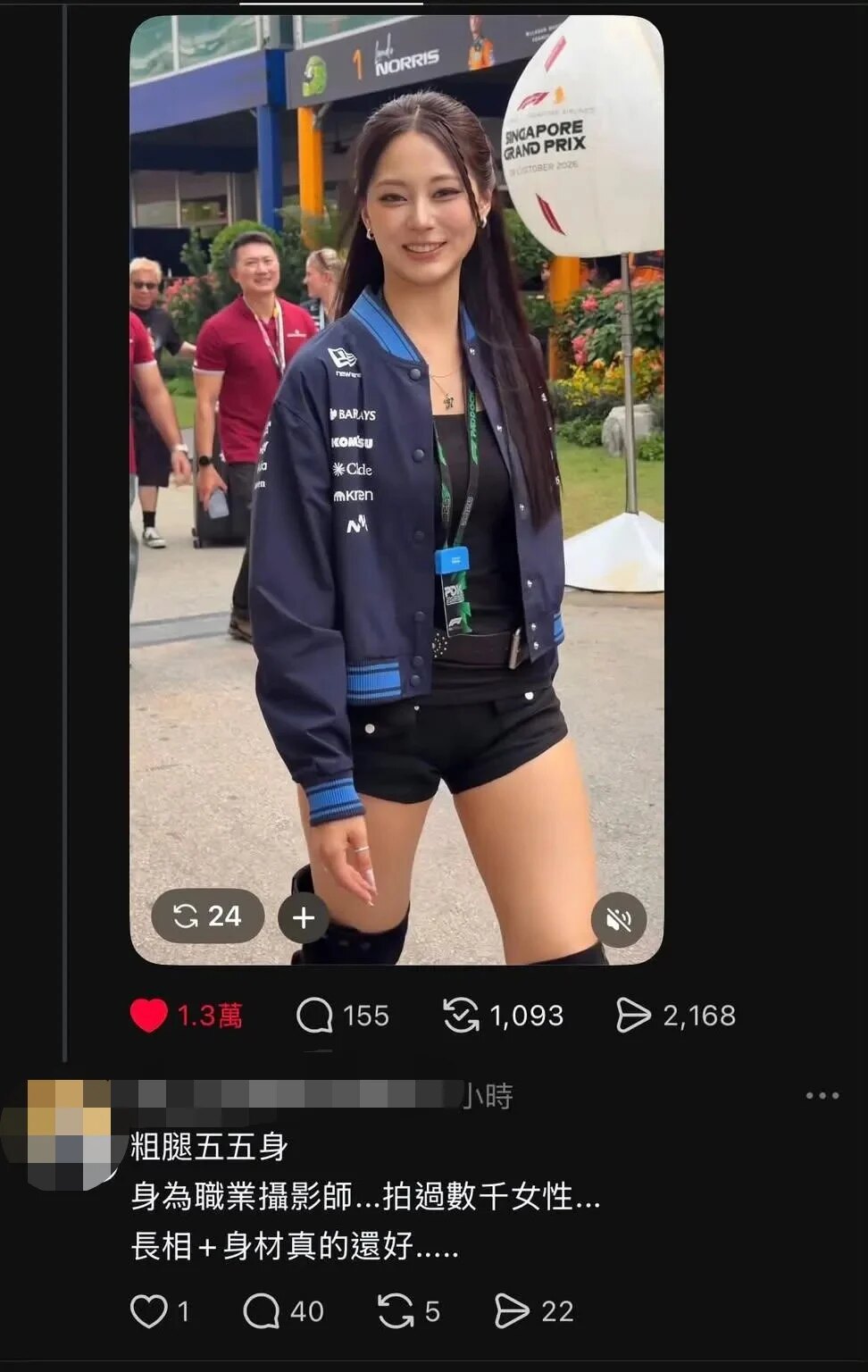

Former Dream Academy contestant Adéla becomes the focus of an online debate
Koreaboo reported on 10 October 2026 that Adéla, a former contestant on the survival show Dream Academy, has become the subject of an online discussion. The conversation was sparked by music videos from her album Prima, specifically the visuals for 'Ain't In LA' and 'Nicole Kidman'. According to the report, a post comparing Adéla's content to that of KATSEYE prompted comments about revealing outfits and dancing. Some netizens described the content as too explicit, while others defended it or theorised about broader industry pressures.
The story has since spread across social media, drawing attention to both Adéla's work and the wider debate about how female pop artists are presented.
The significance of this story lies in the way it brings together several threads that have been woven through K-pop's global expansion. It touches on the aftermath of survival shows, the scrutiny faced by female performers, and the cultural tensions that arise when Korean and Western entertainment norms meet. Adéla's path from a Dream Academy hopeful to a solo artist is notable in itself.
The fact that her work is being discussed in relation to KATSEYE, the group formed by the same show, adds another layer to the conversation. The comparison was made by online commenters, not by the artists themselves, and it raises questions about how audiences perceive and judge female performers across different markets. It also highlights the speed with which online commentary can turn a creative release into a broader cultural talking point.
From survival show hopeful to solo artist: Adéla's path after Dream Academy
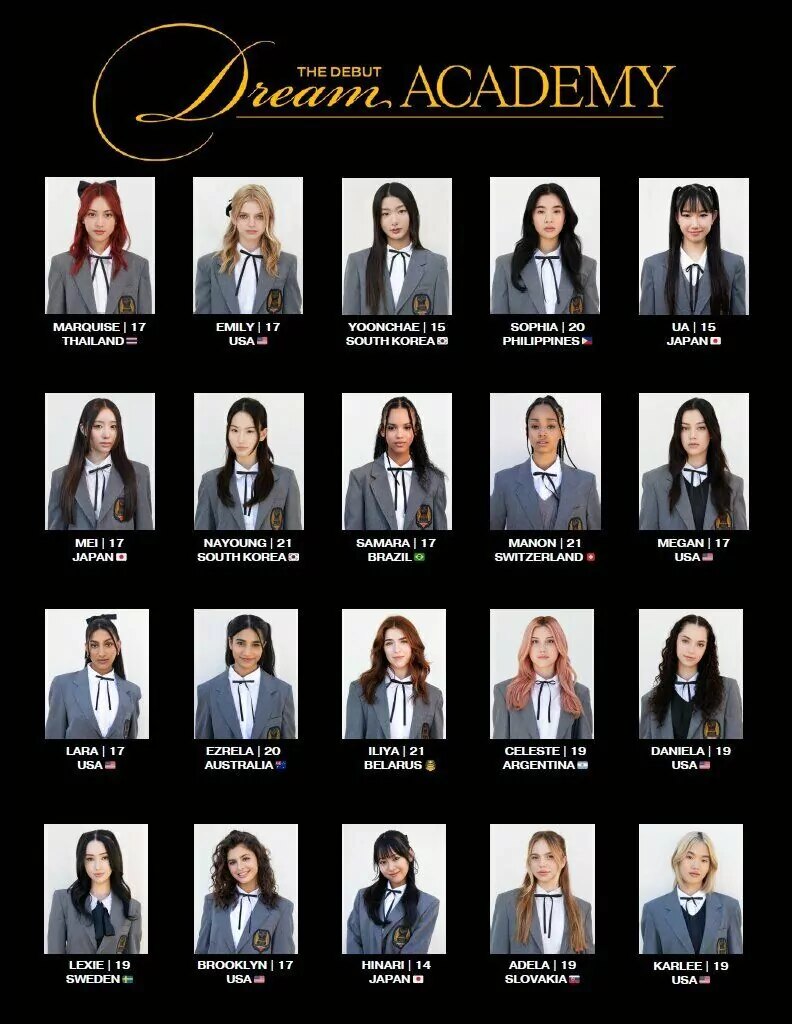
Dream Academy was the survival show that ultimately led to the creation of KATSEYE, a global girl group formed through a collaboration between HYBE and Geffen Records. The show featured trainees from various backgrounds, all competing for a spot in the final lineup. Adéla was one of the contestants, and according to Koreaboo, she was eliminated early on but left a lasting impact on viewers. Her elimination did not mark the end of her entertainment career.
Instead, she has continued as a solo artist, carving out a different path from the one she might have envisioned on the show. This transition is not uncommon for survival show contestants, but it requires a significant shift in mindset and strategy, as the infrastructure of a group is replaced by the need to build a personal brand.
Earlier this year, Adéla released her first studio album, Prima. The album has since climbed the charts, according to the report. Several tracks from the album have been released as singles, accompanied by music videos. This output has kept her in the public eye and demonstrated her commitment to a solo career. For a former survival show contestant, establishing a distinct artistic identity is often a challenge.
Adéla's decision to release a full album and multiple singles suggests a deliberate effort to build a body of work. The attention her videos have received, though focused on their visual content, has undoubtedly raised her profile and introduced her music to listeners who might not have encountered it otherwise. The chart performance of Prima indicates that the music has connected with an audience beyond the immediate controversy.
Prima and its singles: the music behind the conversation
The album Prima is the foundation of the current discussion. While the debate has centred on the visuals, it is worth remembering that the songs themselves have been part of the conversation. Commenters in the Koreaboo report acknowledged that the songs were good, even as they criticised the accompanying videos. This suggests that Adéla's music has found an audience, and the controversy is not about a lack of musical merit.
The singles 'Ain't In LA' and 'Nicole Kidman' were specifically mentioned in the post that sparked the debate. Both have music videos that feature Adéla in performance settings, and both have contributed to the album's chart performance. The fact that the songs have been praised even by some critics of the videos indicates that there is a separation between the musical and visual elements in the minds of listeners.
The content of these videos includes outfits and choreography that some viewers found too revealing. According to the report, commenters described the dancing as sexually suggestive and the outfits as minimal. Some felt that the visual presentation did not match the style of the songs, arguing that the sexualised elements were unnecessary. Others saw it as a standard part of pop music performance. The videos have become a talking point, but the music itself continues to be available for listeners to judge.
The album's chart performance indicates that there is interest beyond the controversy, and the discussion may ultimately lead more people to seek out the songs. How listeners separate the audio from the visual is a personal matter, but the dual nature of the release means that both elements will continue to be part of the conversation.
The KATSEYE comparison: why the parallel is being drawn
KATSEYE, the group formed by Dream Academy, has at times faced criticism over outfits deemed too revealing. A post comparing Adéla's content to KATSEYE's was made, according to Koreaboo, and this comparison fuelled much of the discussion. The two share a common origin: both are connected to the same survival show that aimed to create a global girl group. Adéla was a contestant who did not make the final cut, while KATSEYE represents the successful lineup.
The comparison may arise from this shared background, as well as from the fact that both are female acts navigating the pressures of the pop industry. It is a natural parallel for online commentators to draw, given the proximity of their origins and the similar debates that have surrounded their visual presentations.
However, the parallel is not a perfect one. Adéla is a solo artist, whereas KATSEYE is a group. Their creative directions and target audiences may differ. The comparison appears to be rooted in the visual presentation of their respective content rather than in their musical output. It highlights how female artists from similar backgrounds can face similar scrutiny, regardless of whether they are in a group or working alone.
The fact that both are associated with the same show makes the comparison easy to draw, but it also risks oversimplifying their individual journeys and the different contexts in which they operate. Adéla's solo career and KATSEYE's group dynamic bring distinct challenges and opportunities, and the debate may not fully account for these differences.
Divided reactions: the criticism
The reactions to Adéla's videos, as reported by Koreaboo, were far from uniform. Some commenters expressed strong disapproval. They described the content as disgusting, excessive, or inappropriate. One commenter questioned why the performance needed to include such revealing outfits, suggesting that it did not suit the song. Another said they had tried to listen because they liked the music but turned it off because they found the visuals off-putting.
These reactions reflect a segment of the audience that is uncomfortable with sexualised imagery in music videos, particularly when it seems disconnected from the song's theme. The strength of the language used indicates that the content provoked a visceral response in some viewers, which is a common occurrence when expectations about an artist's presentation are challenged.
This criticism is not unique to Adéla. Female pop artists frequently face similar complaints, whether they are from K-pop or Western markets. The intensity of the reaction can sometimes overshadow the music itself, leading to a situation where the artist's work is reduced to a debate about their body or clothing. For Adéla, the negative comments may be discouraging, but they also indicate that her videos have provoked a strong response. In the attention economy of pop culture, even negative reactions can translate into visibility.
The challenge is to ensure that the conversation does not completely eclipse the artistic effort behind the album. How Adéla and her team respond to this feedback, if at all, will be a factor in how her career develops from this point.
Divided reactions: defence and broader critique
Other commenters took a different view. Some theorised that the sexualised presentation was not a personal choice but a response to industry demands. They argued that female artists, especially in the United States, feel pressured to use sexual appeal to gain popularity. One commenter suggested there was an unofficial rule that American women must take their clothes off to make it big.
Another pointed to a double standard: men can wear baggy jeans and T-shirts, work out, and appear in music videos without showing skin, while women are expected to wear revealing outfits and perform suggestive choreography. These comments framed the debate as a critique of systemic pressures rather than of Adéla individually. They shifted the focus from the artist's supposed intentions to the wider environment in which she operates.
This perspective raises important questions about agency and coercion in the entertainment industry. Are artists freely expressing themselves, or are they conforming to market expectations? The answer is likely complex, and it varies from case to case. The commenters who made these points were not necessarily defending Adéla's specific videos; rather, they were using the discussion as an opportunity to highlight broader issues.
This kind of analysis is valuable because it moves the conversation beyond simple moral judgments and encourages a more nuanced understanding of how pop culture works. It also acknowledges that female artists often navigate a narrow set of acceptable presentations, and that the pressure to sexualise is a structural issue rather than an individual failing.
Sexualisation, double standards and the American pop landscape
The debate around Adéla's videos taps into a long-running conversation about sexualisation in pop music. Female artists across genres have spoken about the pressure to conform to certain beauty standards and to use their sexuality as part of their brand. The comments reported by Koreaboo reflect a frustration with this dynamic. The idea that women must sexualise themselves to succeed, while men can achieve fame without doing so, is a common point of contention.
It is a double standard that many observers have noted in the entertainment industry, and it is not limited to any single country or genre. The persistence of this double standard suggests that it is deeply embedded in commercial culture, and that individual artists often have limited power to change it.
The specific focus on American pop culture in the comments is notable. Some commenters characterised American entertainment as vulgar or overly sexualised, linking it to platforms like OnlyFans. They suggested that American female artists are treated like porn stars, always wearing minimal clothing and writhing around. These comments reflect a cultural critique that goes beyond Adéla's videos. They touch on perceptions of American values and the global influence of US pop culture.
While such generalisations can be reductive, they highlight the cultural tensions that arise when audiences from different backgrounds engage with the same content. The debate becomes as much about national stereotypes and cultural expectations as it is about one artist's creative choices.
K-pop, globalisation and cultural tensions
K-pop has its own history of debates over revealing outfits and suggestive choreography. In the K-pop industry, there are often discussions about whether certain concepts are too sexy, and companies sometimes face criticism for pushing boundaries. However, the framing of these debates can differ from those in the West. In K-pop, there is often a focus on the idol's image and the expectations of the fandom.
When K-pop artists promote globally, they may adapt their presentation to appeal to Western markets, which can lead to accusations of hypocrisy or pandering. The globalisation of K-pop has meant that these local debates now play out on an international stage, with audiences from different cultures interpreting the same imagery in divergent ways.
Dream Academy was explicitly designed to create a global group, and KATSEYE's formation was a step in that direction. Adéla, as a former contestant, is now navigating a solo career that may involve similar considerations. The debate around her videos reflects the challenges of operating in a globalised pop landscape. What is considered appropriate in one cultural context may be seen as excessive in another.
Artists and their teams must make decisions about how to present themselves, knowing that they will be judged by diverse audiences. This is a complex balancing act, and the reactions to Adéla's work illustrate the difficulty of getting it right. The conversation also shows that there is no single global standard for taste, and that artists must often choose which audience to prioritise.
Life after elimination: the challenges facing former trainees
Survival shows like Dream Academy produce many trainees who do not make the final group. Some leave the industry entirely, while others continue to pursue careers in entertainment. Adéla is an example of the latter. Her transition from a contestant on a competition show to a solo artist is a significant undertaking. Without the built-in support of a group and its fandom, solo artists must work harder to establish their identity and attract attention.
They also face the risk of being compared to the group that was formed from the same show, as has happened in this case. The shadow of the survival show can be long, and former contestants often have to work to define themselves outside of that initial context.
The scrutiny that comes with such a transition can be intense. Every creative choice, from the music to the visuals, is analysed and often criticised. For Adéla, the focus on her videos' sexual content may overshadow her musical achievements. Yet the attention could also be beneficial, as it introduces her work to a wider audience. The album Prima has charted, indicating that there is genuine interest.
The challenge for Adéla will be to sustain that interest and to continue developing as an artist beyond the current controversy. How she navigates this period could set the tone for the rest of her career, and whether she is able to shift the conversation back to her music will be a key test.
What the debate says about fandom, attention and artistic identity
The discussion surrounding Adéla's music videos is a reminder of how online platforms amplify debates about pop culture. A single post comparing her content to KATSEYE's generated a wave of comments, ranging from harsh criticism to nuanced analysis. The viral nature of such discussions can shape public perception of an artist, sometimes in ways that are not entirely fair. For Adéla, the debate has brought her visibility, but it has also tied her name to a conversation about sexualisation that may not reflect her intentions.
The episode illustrates how quickly an artist can become a symbol for a broader argument, and how difficult it can be to control the narrative once it takes hold online.
Ultimately, the story highlights the ongoing tension between artistic expression and market expectations, particularly for female performers. It also shows that audiences are not monolithic; reactions vary widely, and many commenters are engaged in a thoughtful critique of industry norms. As Adéla continues her solo career, the conversation may evolve. For now, the attention is on her videos, but her music remains the core of her work.
Listeners who are curious can seek out Prima and form their own opinions, beyond the heated commentary that has surrounded it. The debate may even encourage a more reflective approach to how fans and critics discuss the visual presentation of pop music in the future.