
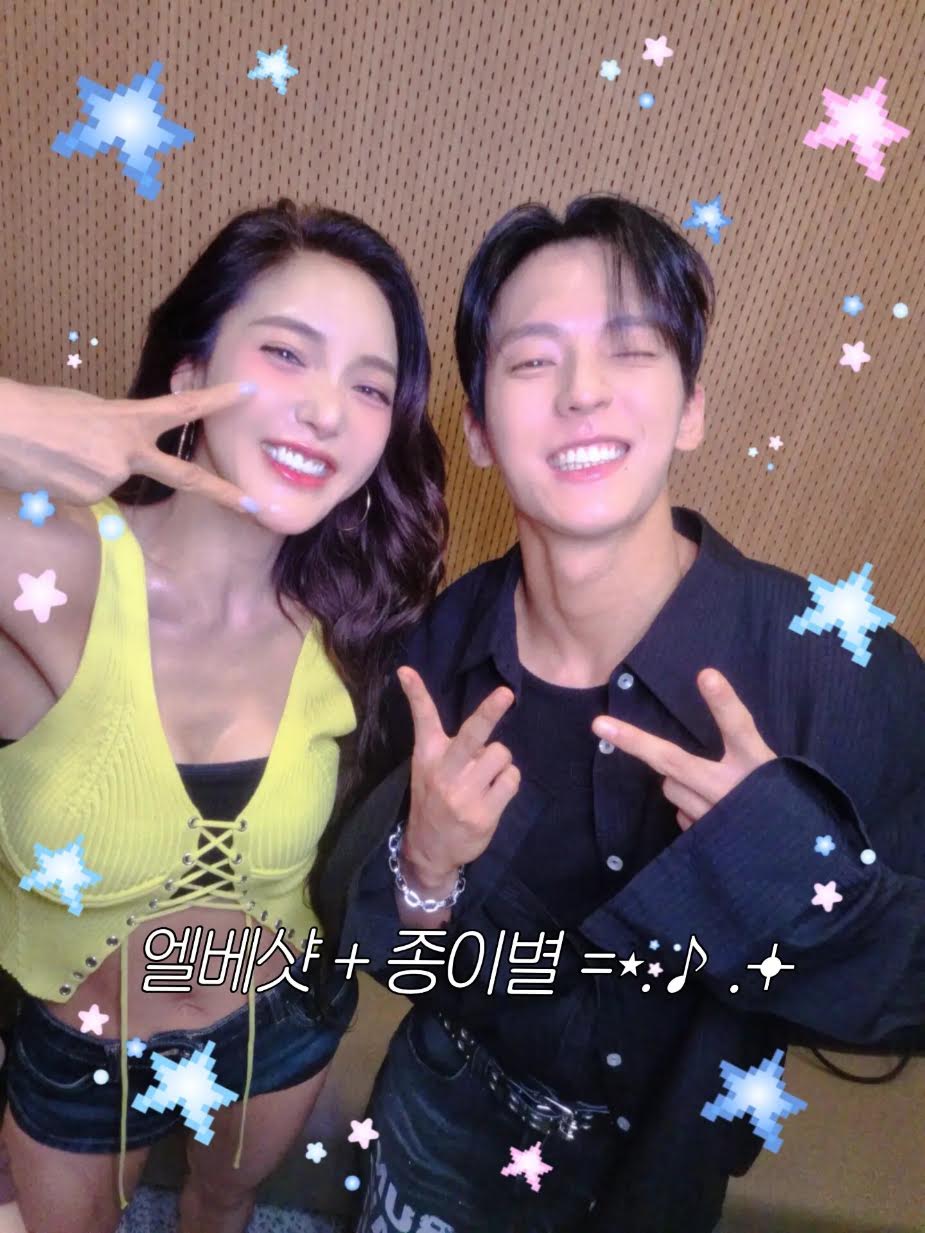
Bada answers a styling comment with an explanation, not a rebuke
Bada has responded to a fan who asked her to change her clothes, and her answer was less a rebuke than an explanation. The singer replied to a comment beneath a social media video of her leaving SBS Power FM's Cultwo Show, where she had appeared in July, and set out why the outfit looked the way it did: she had been asked to perform live in a Waterbomb-style concept for the programme.
The exchange was reported by Koreaboo, citing Naver. It matters beyond one outfit because it puts on record how much of what fans see in departure footage is a brief set by somebody else, and because it shows a performer treating a listener's discomfort as something worth answering rather than ignoring.
What the clip showed and what the comment said
In the video, Bada is seen leaving the radio studio and stopping for fans, signing autographs and chatting with the people waiting outside. The styling drew the most attention: a knit crop top worn over a black inner layer, paired with short denim hot pants, a bolder look than her usual and one matched to the summer festival concept the programme had organised.
One fan commented, asking her simply to change her clothes, with a crying emoticon attached. Bada answered in her own comment, saying that the day had been the Waterbomb concept, and pointing out that Cultwo Show has consistently played her songs whether or not she is in a promotional cycle.
She went on to say that because the programme, which she described as a benefactor to her, had asked for a live performance in that style, she had tried to stick closely to the concept, and asked for understanding on the grounds that it was a day when she had gathered some courage. Her follow-up line was gentler still: sometimes in life we muster courage or overdo things for someone else, and this had been one of those days.
Why one radio show's request carried weight
The interesting part of the reply is the reason she gives. Bada did not present the outfit as a personal statement about fashion or confidence; she framed it as a favour returned. Cultwo Show, in her account, has kept her music in rotation regardless of whether she had something new to promote, and she treated the themed live stage as an occasion to repay that.
That logic is familiar to anyone who follows Korean promotion. Radio is the part of the cycle that runs longest and reaches furthest beyond a group's existing fandom, and appearances are often built around a bit, a theme or a game rather than a straightforward song performance. When a programme asks an artist to dress to a concept, the styling becomes part of the segment, not a separate decision the artist made alone.
There is also a practical edge to it. A themed live stage on a summer radio event needs to be recognisable at a glance in photographs and video clips, which is why concept dressing tends to be bolder than everyday promotional styling. Read without that context, the look can appear to have come out of nowhere.

Waterbomb as a brief rather than a personal statement
Waterbomb is the reference Bada used, and it is a specific one. The format is a summer festival series built around water, where crowds and performers alike end up soaked, and where staging tends to favour clothing that can handle the conditions while still reading as a performance look on camera. Artists who appear at events in that mould usually dress for heat, water and movement rather than for a quiet press line.
Treating the reference as a styling brief explains the choices in the clip more neatly than treating it as a private fashion decision. The crop top with a layer underneath and the denim shorts are the kind of outfit that makes sense when the stage is the point, which is roughly what Bada said when she described trying to stick closely to the concept.
The judgement here is interpretive rather than reported: the source does not record who assembled the look or how closely the final styling followed a written brief. What it does record is the singer's own account that the concept came from the programme's request for a themed live performance.
The gap between a stage concept and street footage
The video at the centre of this is not a stage recording. It is departure footage, shot outside a building, where a look designed for a festival segment is seen in daylight by people who may not have watched the broadcast. That compression, from an entire themed performance down to a few seconds outside a door, is where a great deal of online styling comment begins.
Much of the criticism over styling decisions that circulates online starts in exactly this gap, and the missing element is usually context rather than taste. Fans are responding to a fragment, and a fragment is easy to misread. The same dynamic applies across the industry: a look built for a concept, a stage or a specific event gets judged as if it were chosen for the pavement outside a studio.
The practical remedy is unglamorous. When an artist or a programme explains the brief, the disagreement usually loses its charge, which is more or less what happened here. Not every performer will take the time, and not every comment will be answered, but the exchange shows how quickly a complaint can turn into a conversation once the reason is on the record.

A reply that keeps the fan on side
What stands out is the register of Bada's answer. She did not tell the commenter off, did not frame the request as inappropriate and did not argue that the outfit was above criticism. She asked for understanding, twice, and placed the decision in the context of a specific day and a specific favour.
That approach is worth noting because styling comments can escalate quickly. A defensive reply tends to pull more people into the thread; a flat refusal to engage leaves the original remark as the last word. Bada took a third route, treating the comment as a question that deserved an answer and supplying one that was cheerful rather than wounded.
Her closing thought is the part that travels furthest beyond this particular outfit. Sometimes people push themselves or go further than usual for somebody else's sake, she suggested, and asked readers to take that into account. It is a generous way to describe a decision that had already been made, and it leaves the fan room to keep commenting without losing face.
The takeaway: context travels badly, and cheaply to supply
The story is small but tidy. A fan saw a clip, disliked what they saw, said so, and got an answer that explained the circumstances instead of picking a fight. The outfit turned out to belong to a themed live stage for a radio programme that, by Bada's account, has supported her music steadily for years, and the singer used the moment to say thank you in public.
For readers, the useful lesson is about timing. Comment on the clip if you like, but the clip is rarely the whole brief, and asking first costs nothing. For artists, the exchange is a reminder that a short, warm explanation can do more than a firm statement, particularly when the person asking is a fan rather than a critic looking for a fight.
Bada's reply also quietly documents something about the working life of a singer at her stage of a career: themed appearances, radio loyalties and the small courage of dressing to somebody else's concept are all part of the job. You can keep up with further artist and fan-culture reporting on K-Beats Radio.