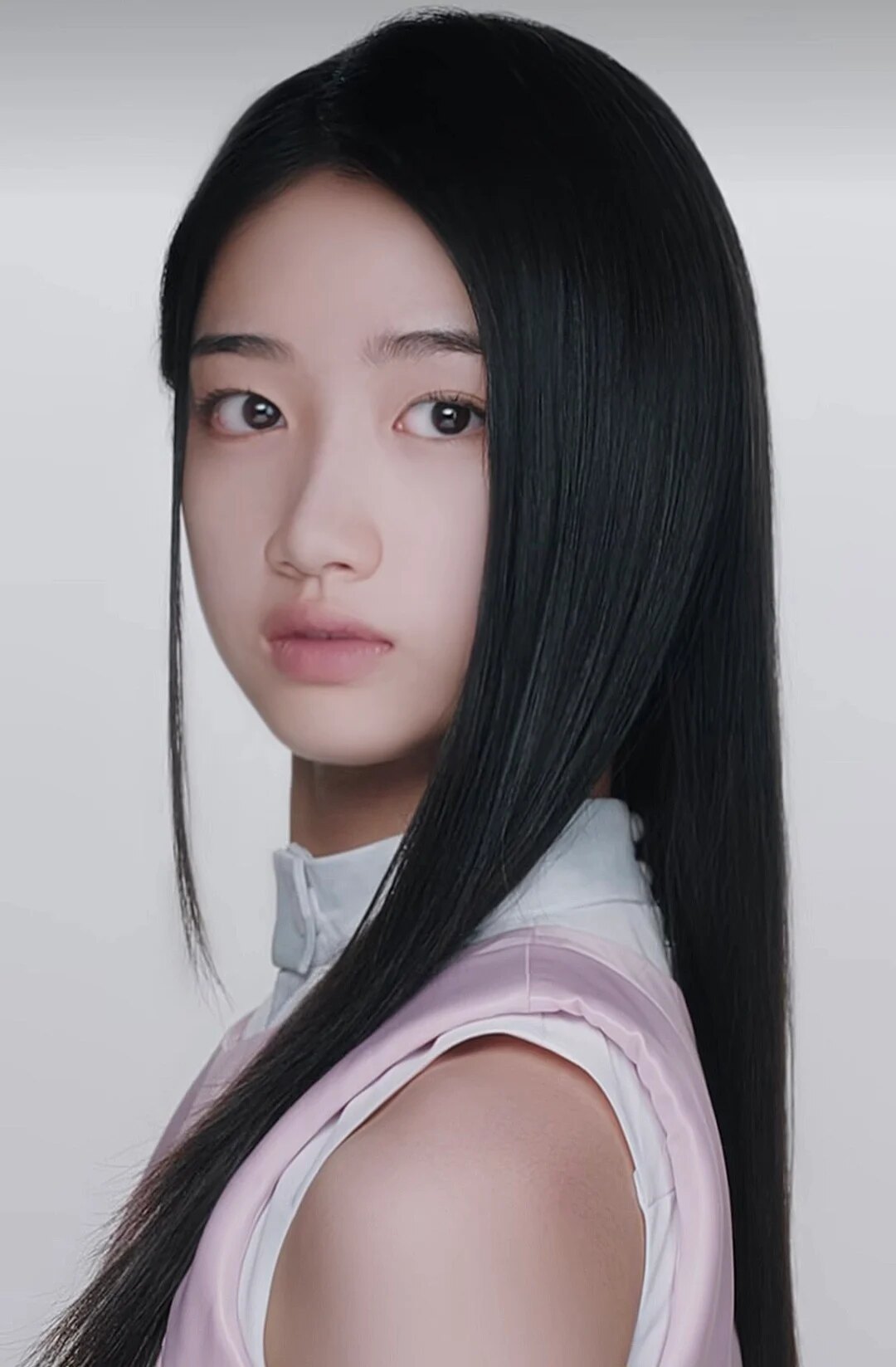
The post that started the conversation
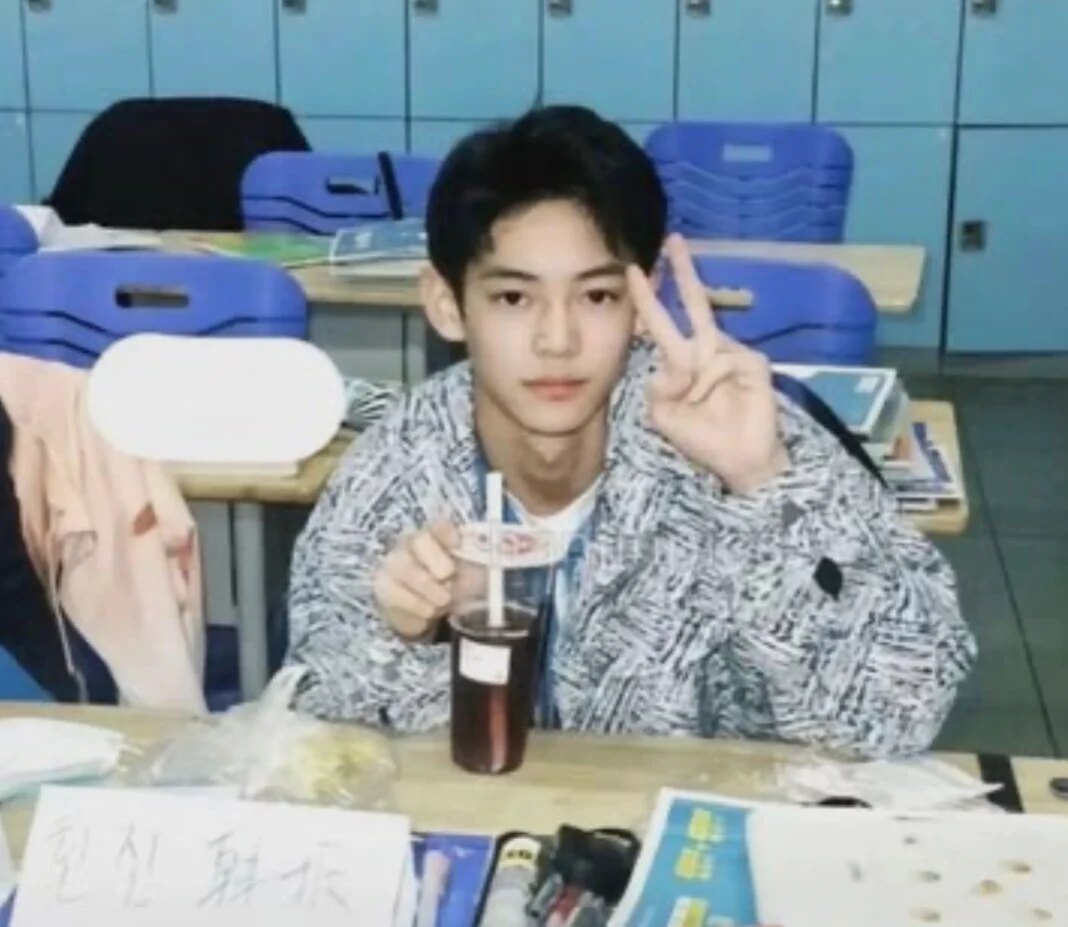
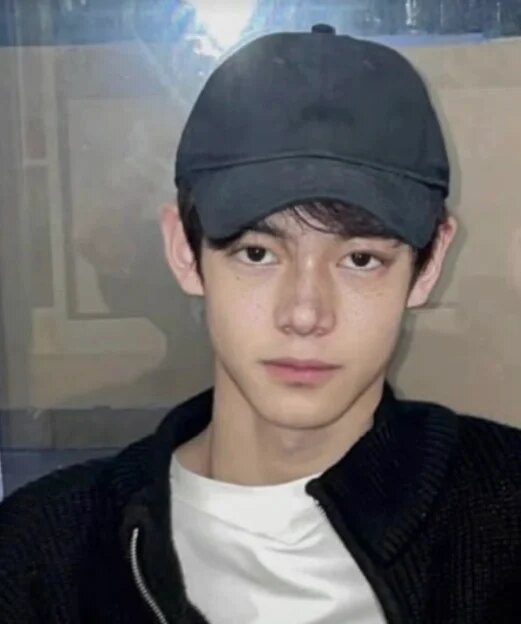
A collection of pre-debut photographs of TWS member Hanjin has been circulating widely in Korean online communities, with Koreaboo reporting on 22 October that a community post gathering the images had drawn a substantial response. According to that reporting, the post presented older pictures of Hanjin and argued, implicitly and then explicitly in the replies, that his earlier appearance read very differently from his current one.
The story matters less as a revelation than as a snapshot of how K-pop fandom processes its idols' images. Pre-debut material is among the most reliably shared content in Korean community spaces: it is scarce, it feels unpolished, and it invites every reader to make a comparison. Within hours a single compilation post can turn a styling question into a group-wide talking point, and that is essentially what happened here.
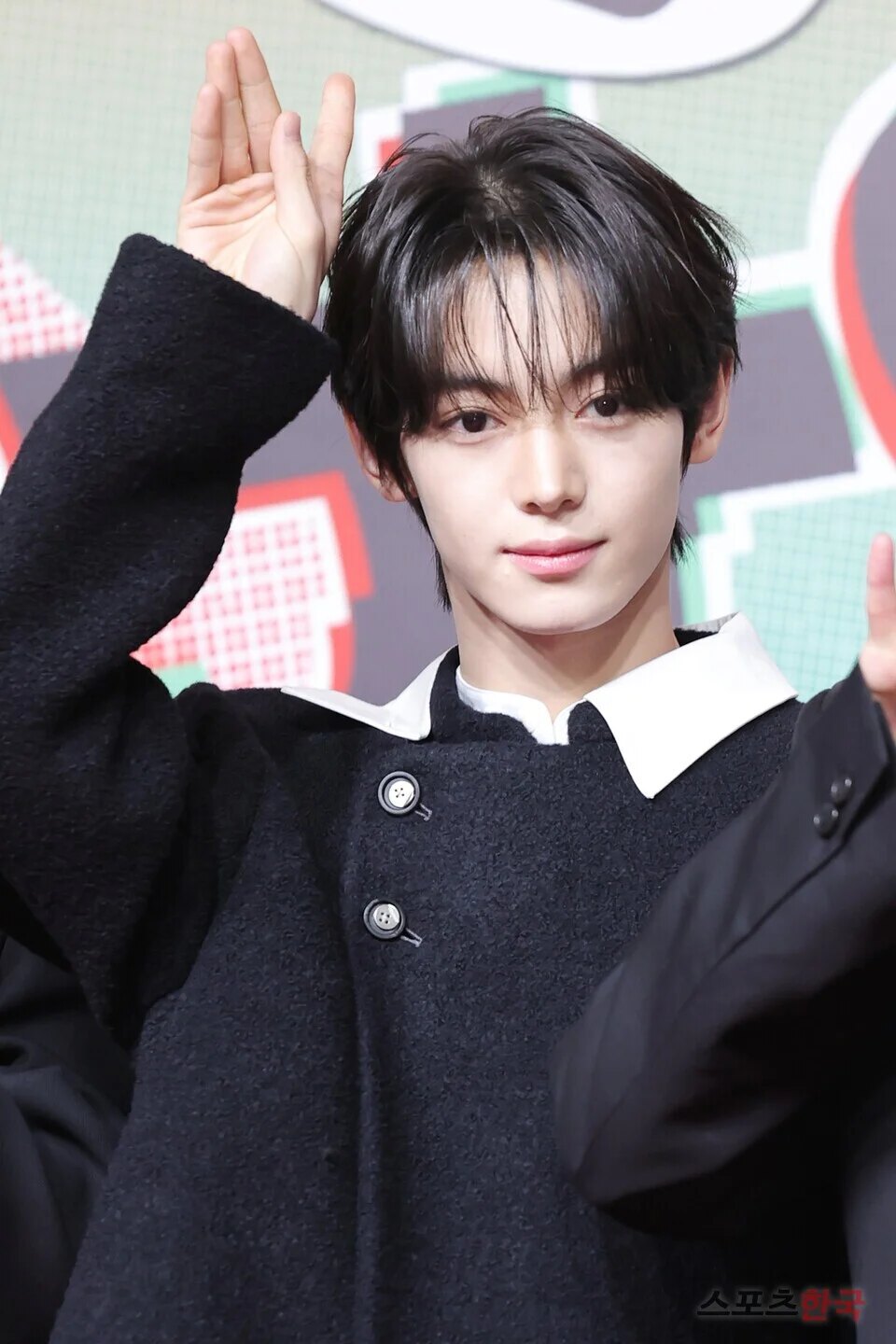
TWS, the boy group formed under Pledis Entertainment, the HYBE-affiliated label, are the context for all of this. Hanjin's pre-debut pictures are being read by strangers as a kind of prologue — evidence of what he looked like before the machinery of concept planning, hair and make-up, and comeback cycles went to work.
What the photographs actually showed
The reporting is straightforward about the content of the post: the older images gave, in Koreaboo's description, a completely different impression from Hanjin's present-day presentation. Commenters reaching for a comparison most often landed on acting rather than idol performance, suggesting the photographs carried a screen-actor quality rather than a stage-ready one.
There is an important limit to keep in view. The post was a fan-compiled set of images shared on a community forum; the reporting does not establish when the photographs were taken, who took them, or what context they came from. That does not make the conversation meaningless, but it does mean the pictures are being treated as a before-and-after document when they are really a handful of undated frames chosen by whoever assembled the post.
The post was not framed as a criticism of Hanjin. The dominant note in the reactions was preference, not disappointment, and the argument ran mostly about styling rather than about the person behind it.
The reactions Koreaboo relayed
Koreaboo quoted a set of responses from the original thread, and they cluster tightly around a single idea: that the earlier look landed better. "His past image suits him way better," one comment read. Another went further, saying the pre-debut photographs were "totally my style."
The most repeated comparison was to acting. "He looks like an actor," one netizen wrote, a remark that says as much about how fans read restraint and understatement as it does about Hanjin himself. Others noted that his eyes appeared different in the older material, and one comment argued that "the more natural styling looks better on him."
These are translations of forum comments, relayed second-hand, and they should be read as a sample of a particular thread rather than as a verdict from fandom at large. What they do show is a fairly consistent aesthetic preference — for less intervened styling, for a look that reads as closer to everyday life.
Why pre-debut photographs keep going viral
The pre-debut picture is one of K-pop's most dependable formats, and its appeal is structural rather than accidental. Trainee-era images are finite. Every new set that surfaces feels like an addition to a record that cannot be added to again, which gives the material a collector's value that a new promotional photo simply does not have.
There is also the matter of narrative. Fans arriving after a debut often reach backwards for origin material, and older photographs let them construct a personal timeline — this is what he looked like before anyone was watching. That impulse is generous, but it also means the images get weighted with meaning they were never intended to carry.
And then there is the simplest driver of all: comparison posts are easy to join. Anyone can look at two photographs and have an opinion within seconds. Online communities reward exactly that kind of low-friction, high-participation content, which is why a single compilation can outrun a press release.
Styling as a language, not a personal verdict
Reading the thread closely, most of the disagreement is not really about Hanjin. It is about styling — the visible, planned layer of hair, make-up, clothing and lighting that sits between an idol and the camera, and which shifts with every concept, every comeback and every broadcast.
That distinction matters, because comments about how an idol is presented can slide quickly into commentary about the idol's body or choices, and the two are not the same thing. Styling decisions are made by teams, in service of a concept, on a schedule. A photograph from a trainee period and a photograph from a promotional cycle are products of entirely different briefs.
The "he looks like an actor" reaction is worth sitting with for a moment, because it reveals what fans often mean by natural: fewer visible interventions, softer lighting, a face allowed to be still. Whether that reads as better is genuinely a matter of taste, but it is a taste shaped by how heavily stylised the current baseline has become.
The limits of a community thread
It would be easy to inflate this into a referendum on Hanjin's current presentation. It is not one. A single viral post on a Korean community forum reflects the people who happened to open that thread and reply, filtered through translation, and the loudest comments in any such space are rarely the median ones.
The broader pattern is more interesting than the individual verdict: pre-debut material keeps resurfacing for idols across the industry, and the response almost always splits between those who find the older images more appealing and those who see the current styling as the point. That split is not new, and it is not really about any one photograph.
What the reporting does establish is that the images travelled — that a compilation post about Hanjin generated enough discussion to be written up. Beyond that, the thread stands as a record of a moment's aesthetic mood rather than a settled judgement on an artist.
What to take from it
Hanjin's pre-debut photographs are now part of the public conversation about him, whether or not they were ever meant to be. For listeners, the useful takeaway is to hold the two things apart: the affection many fans clearly feel for an earlier, quieter look, and the actual work — the records, stages and performances that define what an idol does.
Images are the fastest-moving currency in K-pop discussion and the least durable. The photographs will keep circulating; the conversation around them will move on to the next compilation within days. If the reaction prompts you to look up TWS's music rather than only their styling history, the thread will have done more than it set out to.
You can keep up with stories like this as they develop on K-Beats, where our reporting follows the conversation without letting it stand in for the artist's work.