A short clip, a fast backlash
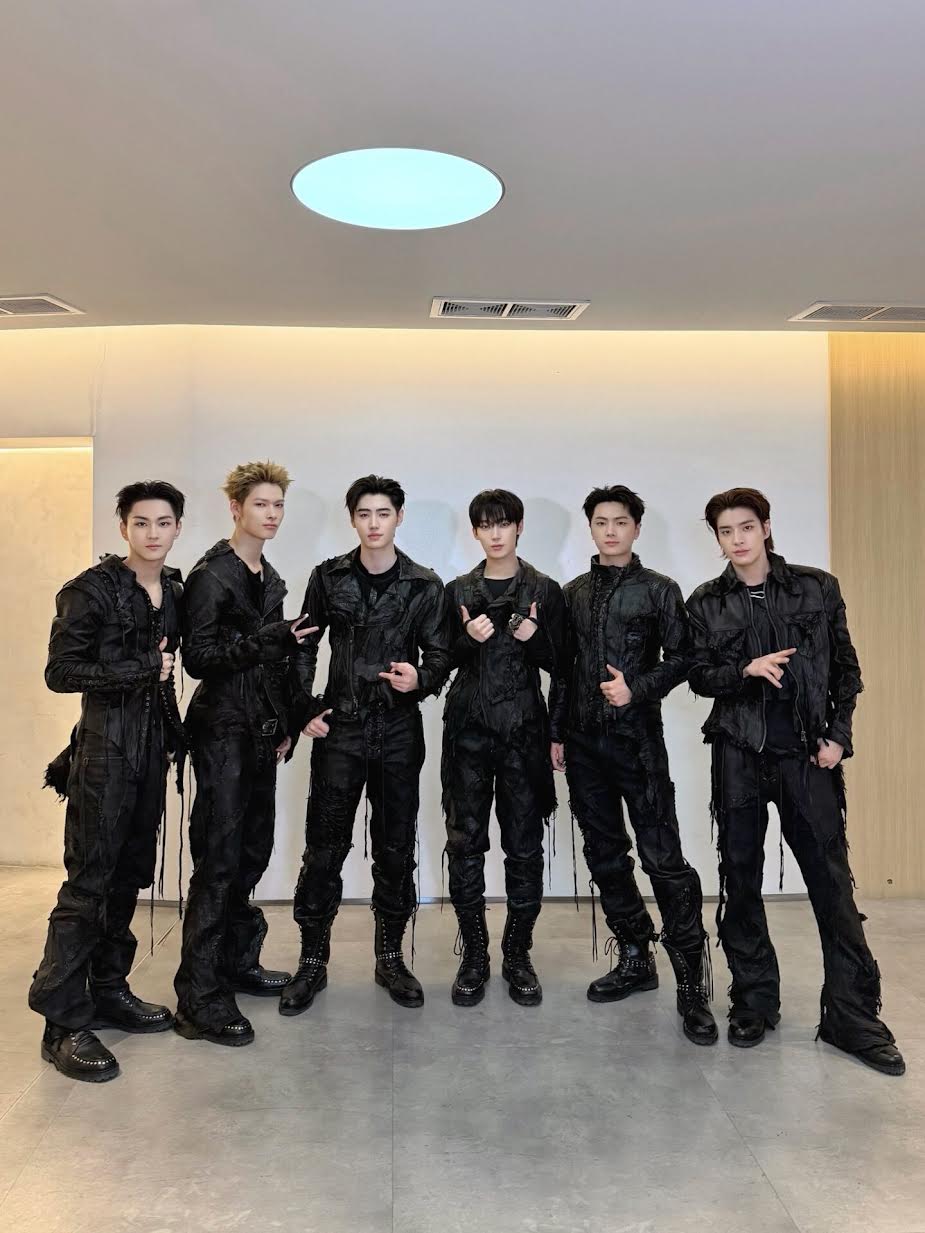
Koreaboo reported on 18 November 2026 that a video from a recent ENHYPEN fan event had spread rapidly online, with viewers focusing on the moment a fan appeared to hit Sunoo's palm while holding his hand during a conversation. The same clip showed the fan making another hitting gesture as she stood to leave, though a second angle showed Sunoo pulling his hand away before contact.
The report describes the footage as supposedly showing the member being hit, a careful phrasing that reflects how much of the reaction rests on interpreting a short, widely reshared clip.
Even so, the episode has become a flashpoint for ENHYPEN fans. The anger is aimed at the attendee's behaviour and at BELIFT LAB, the group's agency, which fans say should have done more to protect its artist. The source report captures a familiar pattern in K-pop: a few seconds of footage from a closely watched fan interaction can quickly become a test of how an agency handles boundaries, security and the expectations placed on idols in public.
Why fans saw a boundary being crossed
On X, fans described the behaviour as disrespectful and unacceptable, with several calling for the attendee to be barred from future ENHYPEN events. Posts tagged BELIFT LAB and HYBE demanded more security for the group. One recurring argument was that Sunoo's friendly manner with fans should not be read as an invitation to rough handling. Another reaction focused on his smile during the exchange, with fans arguing that a polite expression does not mean an idol is comfortable or consenting to being hit.
These are fan interpretations, not statements from Sunoo or the agency. That distinction matters, because the source does not include a direct account from the member about what happened or how he felt. What is clear is that many fans saw the clip as an example of the kind of overfamiliarity that can make fan events uncomfortable. Their frustration was not only about the individual interaction.
It was about what they see as a gap between the closeness fan events promise and the protection idols are given when that closeness turns sour.
The awkward intimacy of fan events
Fan events occupy an unusual space in K-pop. They are built around brief, managed intimacy: eye contact, conversation and sometimes handshakes or other light contact. That format can be rewarding for both sides, but it also puts idols in close physical proximity to strangers while cameras are rolling and staff may be positioned at a distance. The line between an overenthusiastic fan and a boundary violation is not always obvious in real time, which is why etiquette matters before an interaction begins.
Fans are routinely told to be respectful; agencies are expected to enforce that respect. When a clip appears to show repeated physical contact that the idol did not invite, the question is not whether fans should be allowed to enjoy events. It is how the rules are communicated and enforced before an interaction becomes uncomfortable. The Sunoo clip has resonated because it makes that question visible.
A fan event is supposed to be a controlled setting, and the clip raises the issue of what happens when the control slips.

What agency protection means in practice
The source report says fans were angry at BELIFT LAB as well as the attendee, arguing that the label failed to protect its artist. Some asked why nobody intervened sooner. The original report does not include an agency statement or describe the event's staffing, so the specifics of who was watching and what was said are not established in the supplied account. That uncertainty matters.
It is easy to demand more security in general; it is harder to say what would have helped in this particular moment.
Clearer rules before the event, staff positioned close enough to step in, and a straightforward process for ending an interaction are the kinds of measures fans often raise after incidents like this. Whether any of them were missing here is not something the clip alone can answer. The broader point is that protection at fan events is practical rather than abstract.
It depends on people on the ground being ready to act, and on fans understanding that access to an idol does not remove the normal expectations of physical respect.
The Jay case and the wider anxiety
The reaction also arrives with a recent reference point. K-Beats has previously reported that BELIFT LAB filed a criminal complaint over the alleged stalking of ENHYPEN's Jay, after a person was accused of obtaining his private phone number, secretly recording calls and spreading them online. That case concerns alleged stalking, not fan-event conduct, and the two should not be conflated. But for fans, both feed the same concern: that the people closest to the group can be exposed to behaviour that goes beyond normal fandom.
The Sunoo clip is a much smaller incident on its face, and the source does not suggest any link between the two. Its effect is still shaped by that wider anxiety about how seriously agencies treat boundary problems. When fans already feel that an artist has been exposed to intrusive behaviour, a new clip from a fan event can feel like further evidence that protection needs to be tighter.
That does not settle what happened in this case, but it helps explain why the response has been so intense.

Rules, enforcement and fan responsibility
Meaningful protection at fan events is less dramatic than a viral backlash. It looks like rules that are easy to understand, staff who can intervene without waiting for a situation to escalate, and a culture in which fans accept that an idol's politeness is not a licence for physical familiarity. It also means treating the artist's reaction as relevant. Sunoo can smile, keep the interaction going and still deserve not to be hit or grabbed.
Fans do not need to diagnose his feelings to recognise that the attendee's behaviour crossed a line that most people would recognise in any other public-facing job.
The conversation around the clip has also raised a question about fan responsibility. Fandom often celebrates closeness, inside jokes and the sense that an idol is approachable. Those things can be part of the appeal without becoming an excuse for behaviour that would be inappropriate elsewhere. The most useful response is not to turn one attendee into the whole story.
It is to ask what clear standards would look like, how they would be explained before events, and how they would be enforced when someone ignores them.
The takeaway for ENHYPEN and BELIFT LAB
For ENHYPEN and BELIFT LAB, the immediate practical question is whether the incident leads to any change in how fan events are run or how attendees are managed. The source report does not include any public response from the agency, so the next step is not yet clear. What is clear is that fans are watching how the company handles a moment that they believe should never have reached the point of a viral clip.
The takeaway is simple. Closeness at fan events only works when both sides understand that it is bounded, and when the people running the event are ready to enforce those bounds. ENHYPEN's fans have made their anger known; the harder work is turning that anger into better etiquette, clearer rules and a system that protects the artist without turning every interaction into a confrontation.