
Lee Chanhyuk's explanation for going independent
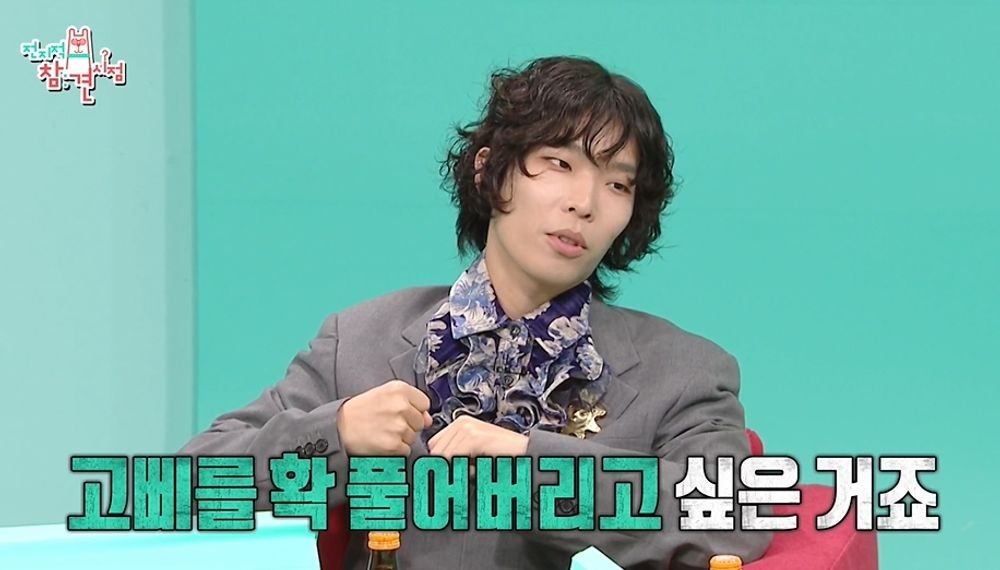
AKMU's Lee Chanhyuk has given a direct account of why he moved away from YG Entertainment to work independently, saying he wanted to "completely let go of the reins". He made the comments on MBC's The Manager, in an episode broadcast on 31 October and reported by Koreaboo, during a segment devoted to the sibling duo.
His explanation was not framed as a complaint about his former label. "YG did support me well," he said, adding that working with a company always involves things he feels he should only do up to a certain point. What he wanted instead, in his words, was to take full responsibility, gather his own people and lead the way. He said he feels good now that he has done it.
For listeners, the significance is practical rather than gossipy. When an artist moves outside a major agency's structure, the question of who decides — who books the venue, hires the crew, signs off the staging — shifts. Chanhyuk's account is a rare on-camera description of that shift from the person who chose it.
Suhyun's view from inside the production
Lee Suhyun, his sister and bandmate, offered the other half of the picture. She said that in the past she followed the plans her brother came up with, but this time he had become independent from the company and built everything from start to finish. She described him as being involved in every detail, down to the buttons on the dancers' outfits, and said that seeing that work recognised now feels more meaningful.
Her framing is worth noting. This is not a story about a duo splitting or a working relationship changing; it is one member describing how the other took on production duties that a company would normally share. Suhyun's pride positions the concert as evidence of what her brother can do with full control, rather than as a quiet dig at anyone who previously held part of that control.
Reading the 'up to a certain point' line
The phrase about doing things only up to a certain point is the most interesting and least specific part of the conversation. Chanhyuk did not describe a particular disagreement, a rejected idea or a restriction placed on him, and this is a translated television conversation rather than a detailed statement of terms. It reads best as a remark about creative authority in general: at a large company, decisions are shared, and shared decisions come with limits.
That is a familiar tension in K-pop, and not only at YG. Agencies supply budgets, marketing, scheduling and staff, and those resources are usually tied to a say in how a release or a show comes together. An artist who wants the final word on staging, casting and costume often has to assemble their own team to get it. Chanhyuk's comment describes that trade rather than alleging anything specific about how he was treated.
The cost he described before the concert
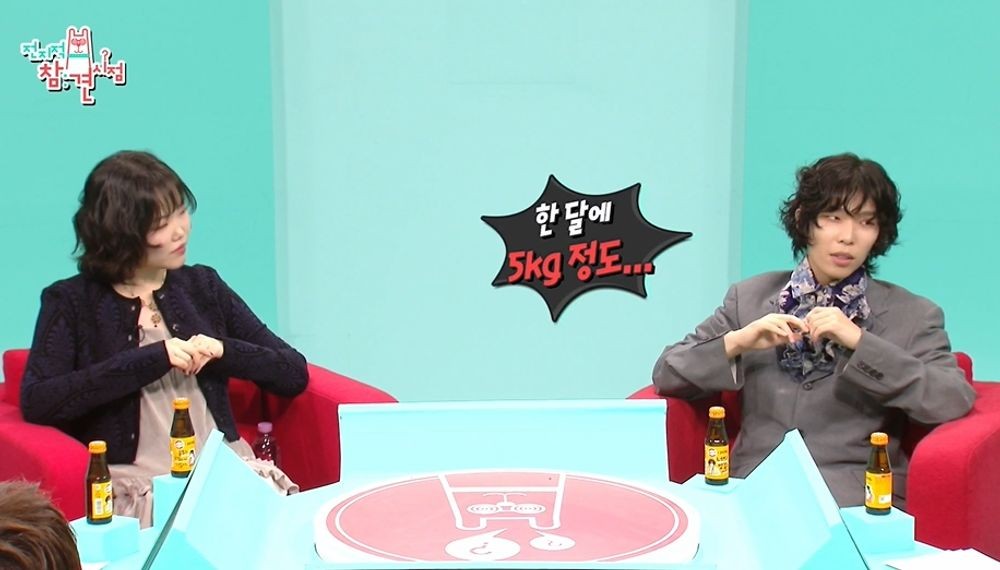
The interview also included the less glamorous side of taking charge. Chanhyuk said he could not sleep properly for up to a week before the concert because of muscle spasms, and that he felt physically sensitive from overwork when he got home. He said he lost around 5kg in a month and that he could not eat.
These are his own remarks about a specific, high-pressure period in the run-up to a show, offered in a programme format that regularly invites personal disclosure. They are not a medical account, and nothing in the report suggests a longer-term problem. But they do attach a price to the autonomy he described, and they sit awkwardly beside the confidence of wanting to lead everything himself.
For readers following the business of K-pop, that is the useful detail. Independence is often discussed in terms of freedom and credit. Chanhyuk's description adds the ordinary logistics of it: a person doing the work of a team, and paying for it with sleep and appetite in the final stretch.
Pressure, ambition and being in charge
When Yoo Byung Jae asked whether the first performance under his own direction had been a lot of pressure, Chanhyuk answered that he was not pressured, but that his ambitions were high. He did accept that he feels burdened by the increased responsibilities.
That distinction is worth taking at face value rather than treating it as a contradiction. Ambition is a demand you place on yourself; pressure is usually one placed on you by other people. When the same person sets the standard, the deadline and the budget, the two are hard to keep apart, and the second half of his answer suggests he knows it.
The exchange also gives a sense of how the show handled the subject. The question came from a fellow guest rather than as an interrogation, and the reply was measured: he defended the decision without pretending it had been easy.
Why this account travels beyond AKMU
AKMU are a particular case. A duo who came through an audition programme and spent their careers associated with YG, with one member writing and the other performing, they were already unusual in how much of their identity rested on a single songwriter's judgement. Chanhyuk's move formalises something fans had watched develop on record.
The broader pattern is not unique to them. The comparison with Jihyo's departure from JYP to launch her own one-person company is instructive, though the arrangement differs: she continues to perform with TWICE, and the new company sits alongside her group work rather than replacing it. Different structures, same underlying question about who holds the decisions and who carries the responsibility when something goes wrong.
For audiences, that question shows up in credits. Production and direction lines on a concert or an album are a reasonable guide to how much of a project an artist actually steered, and they are easier to read than interviews. Chanhyuk's account gives those lines a human context.
The takeaway
What Chanhyuk has described is a straightforward bargain: less institutional cover in exchange for final say, with the strain concentrated in the weeks before a show. He says he is happy with the result, and Suhyun's remarks suggest the work has been noticed. Whether that bargain is sustainable is a question only future projects will answer, and nothing here confirms what AKMU or Chanhyuk will release next.
The story is still useful now, because it puts a named artist's own words to a subject usually discussed in abstractions about creative freedom. Autonomy, in this account, looks less like a clean break and more like a long list of small decisions made by one person, followed by a week of no sleep.