
Roh Jisun's Debt Admission: What She Said
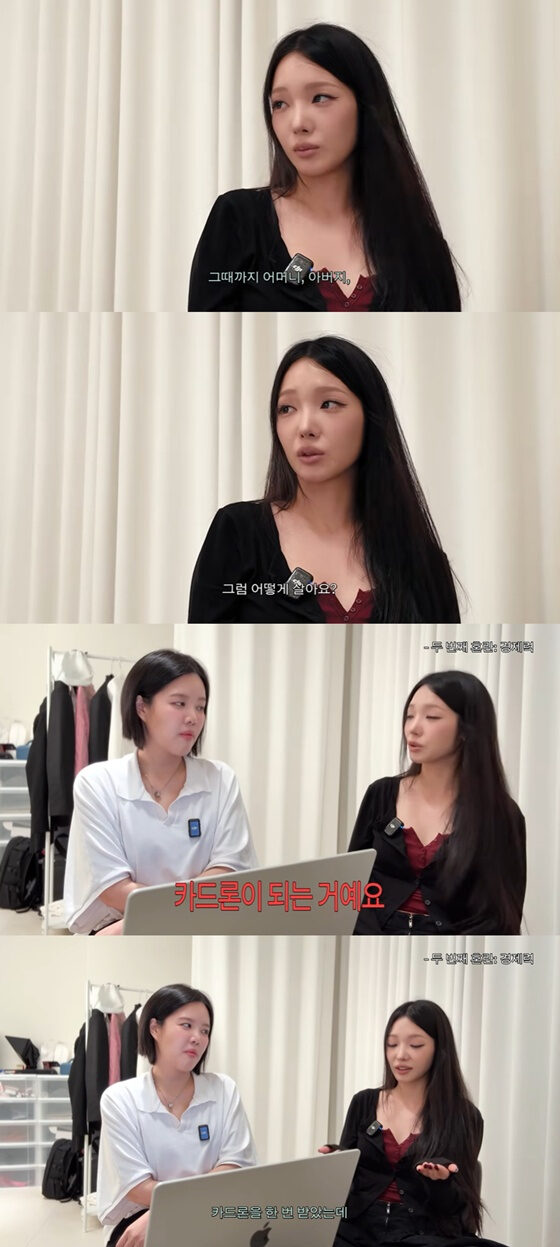
Former fromis_9 member Roh Jisun has revealed that she lived in debt during her time as an idol, taking out card loans to survive. She shared her experience in a YouTube video uploaded on 11 October, titled 'Avoid Card Loans! Life Advice from a Senior Who Switched Careers from Idol Life'. The video was reported by Koreaboo. Jisun said she fully repaid her debts a year after leaving the group.
The significance of her account lies in its rarity. Public statements about the financial pressures of idol life are uncommon, and Jisun's willingness to discuss her debt offers a concrete example of the gap that can exist between a performer's public image and their private financial reality. It also highlights the practical consequences of having no income or job while pursuing a career in entertainment.
The Mechanics of the Card Loan
In the video, Jisun explained that she was active in the group until she was 28. She could not rely on help from her parents or older brother, and she needed to survive, so she looked into loans. However, because she had no job and no income, she could not get approved for standard loans.
She then found out about card loans. Feeling desperate, she did not consider the interest rates seriously. She said they offered her 3.00 million won (about $2,240), and she thought she could live for three or four months on that amount. She took the card loan.
The debt snowballed rapidly. After using the card loan, her credit limit increased. She borrowed more money to repay the initial 3.00 million won, but the total just kept growing. This illustrates the cycle of debt that can occur when high-interest borrowing is used to cover living expenses, and Jisun's description of ignoring interest rates under pressure is a key part of her cautionary tale.
From Idol School to fromis_9: Her Career Timeline
Jisun appeared on Mnet's idol survival programme Idol School, which ended in 2017. She won the centre position through the show and debuted with fromis_9 in 2018. She remained with the group until 2025, when she left along with Lee Saerom and Lee Seoyeon.
Her statement that she was active until she was 28 places the debt period during her time with fromis_9. The timeline helps contextualise when the financial difficulties occurred and how long she carried the debt. It also shows that her departure from the group and her eventual debt repayment are closely linked in her personal narrative.
Repaying the Debt and Rebuilding Credit
Jisun said she has now fully paid off all her debts. She paid it all back a year after leaving the group. She clarified that the debt was not in the hundreds of millions of won, a detail that suggests the sum was significant to her personally but not on the scale of some high-profile celebrity debt stories.
The hardest part, she said, was repaying money she had borrowed from her older brother, paying off the card loans, and rebuilding her credit. Her brother was also preparing for his wedding at the time, which added to the pressure. This detail shows that the debt affected not only her finances but also her family relationships and personal stress, making the repayment process an emotional as well as practical challenge.
Why Her Story Resonates Beyond K-Pop
Jisun's account touches on a broader issue: the gap between public perceptions of idol success and the financial realities some performers face. While some idols achieve significant wealth, others may struggle with irregular income, lack of job security, and the need to cover living costs during uncertain periods. Her story puts a specific face to that possibility.
Her decision to share this on a platform titled around avoiding card loans suggests she wants to warn others. The video's framing as advice from a senior who switched careers indicates she is now positioning herself as someone who can offer guidance from her own mistakes. This is a notable shift from idol to life adviser, and it may resonate with young people in precarious industries.
However, her experience is individual. The source does not provide details about fromis_9's revenue, contract terms, or the income she received during her active years. Her story should not be taken as representative of all idols, but it does add a concrete example to conversations about financial precarity in the entertainment industry.
The YouTube Video and Its Message
The video, uploaded on 11 October, was titled 'Avoid Card Loans! Life Advice from a Senior Who Switched Careers from Idol Life'. The title itself is a clear signal: Jisun is using her experience to caution others against the same path. She describes the desperation that led her to ignore interest rates and take on debt.
The format suggests a personal, candid approach. By speaking directly to viewers, she bridges her idol past with a new role as someone offering practical financial advice. This could resonate with young people facing similar pressures, especially those in industries with unstable income. It also shows how former idols can build new public identities after leaving their groups.
What Remains Unclear
The source does not specify the exact terms of the card loan, including the interest rate she was charged. It also does not detail the total amount of debt she accumulated or her specific income during her time with fromis_9. These omissions mean the full scale of her financial situation is not known.
Additionally, the video's full content is not reproduced in the source, so other advice or details she shared may not be reflected here. What is clear is that she has repaid the debt and is now speaking about it openly, which is itself a significant step given the usual silence around such topics.
The Takeaway
Roh Jisun's story is a reminder that the idol industry can involve significant financial uncertainty, even for those who appear on stage. Her willingness to discuss her debt and repayment offers a rare insight into a subject often kept private. It also highlights the importance of financial literacy and support systems for young entertainers.
While her debt was not in the hundreds of millions of won, the emotional and practical toll of repaying it, including rebuilding credit and repaying family, was clearly significant. As she moves forward, her decision to share this chapter may help others recognise the risks of high-interest borrowing and the value of seeking help before debt spirals. The conversation about how the industry can better support artists' financial wellbeing continues.

