

Hyomin's gym post turns a casual update into a talking point
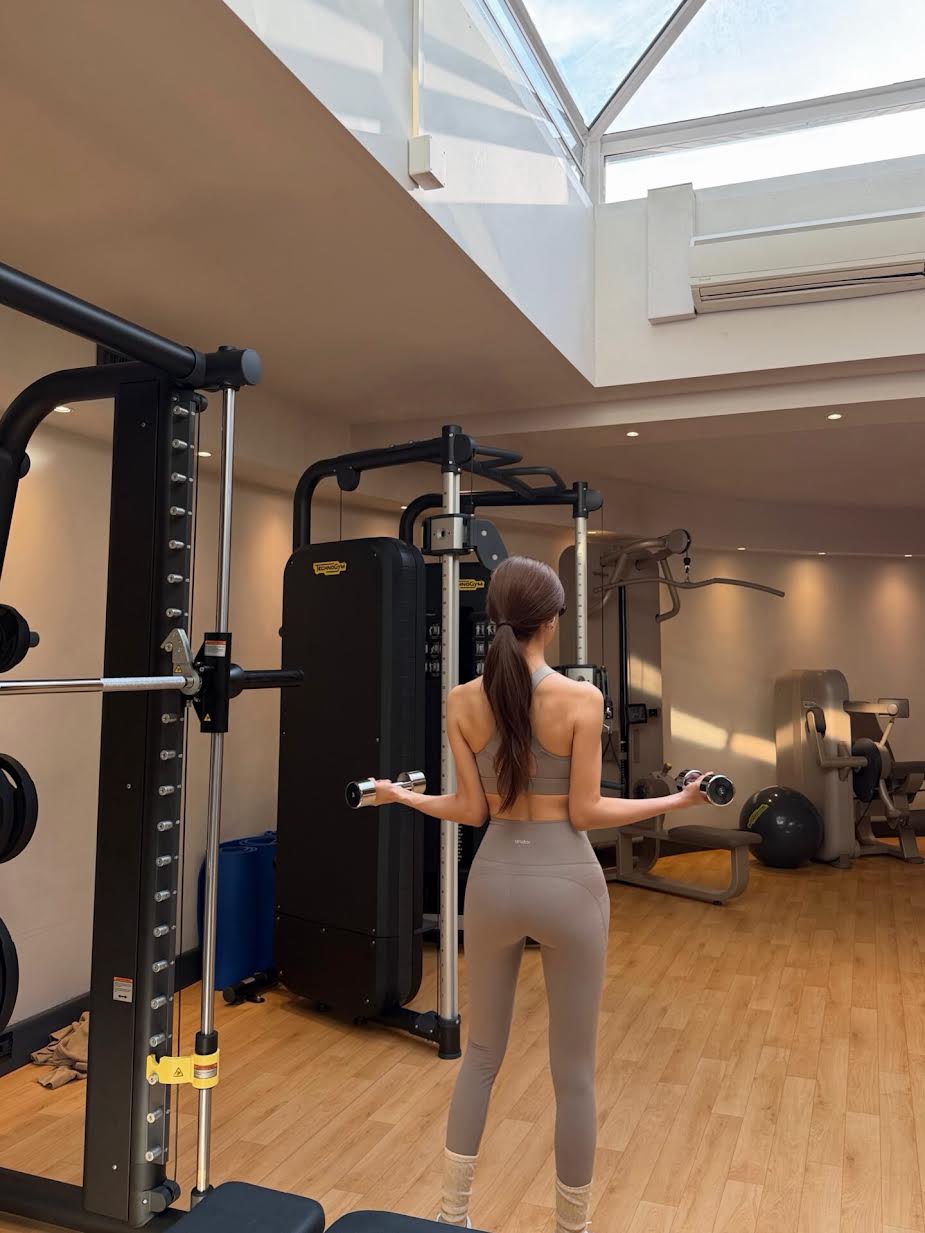
T-ARA's Hyomin has shared a set of gym photos on social media, according to Koreaboo, with a caption that puts food at the centre of her workout routine: 'Living to work out so I can eat a lot of delicious food.' The photos were posted on 22 November and show her exercising in workout clothes and sunglasses. Koreaboo reported the post on 23 November. The exact platform is not named in the report.
On its own, that is a familiar kind of celebrity update: a gym session, a light caption and a few pictures. What made it travel was the response. Koreaboo reports that netizens commented on her abs and back muscles, alongside messages such as 'It's nice to see you working hard', 'You're so pretty', 'Amazing abs' and 'Muscular body.' The reaction mixes encouragement with close attention to how she looks.
The practical significance is simple. A short post can become a discussion about fitness, food and idol image at once. For Hyomin, the caption sets the tone; for readers, the comments show how quickly a workout photo can shift from a personal update into public commentary.
The caption makes food the punchline, not the body
The most useful detail in the post is the caption. It does not present exercise as a punishment or a strict routine. It frames training as something that makes room for enjoying food. That is a relatable idea for many readers, and it gives the photos a lighter purpose than a fitness transformation post.
Koreaboo's report does not detail Hyomin's routine, how often she trains or what kind of exercise she does. The source gives the caption and the images' setting, not a plan. That matters because the caption is doing most of the storytelling. It turns a gym photo set into a small joke about appetite and effort, rather than a claim about a particular method.
Readers who want a takeaway can take the caption at face value: movement can be linked to pleasure, not only discipline. The point is not to copy someone else's routine from a photo. It is that the reason someone gives for exercising can be as interesting as the images themselves.
Why the fan comments split between support and scrutiny
Koreaboo's selection of comments shows two kinds of attention. Some messages are direct encouragement: 'It's nice to see you working hard.' Others praise her appearance or describe her muscles. Neither type is unusual on idol social media, but together they show how a fitness post can be read in different ways.
For some fans, commenting on visible muscle is a way of acknowledging effort. For others, the more comfortable response is to keep the focus on the activity and the caption. The line between supportive comments and appearance-focused praise is thin, especially when the original post already draws attention to the gym. That does not make every body comment hostile. It does mean the conversation can easily become more about the image than the reason she posted.
Hyomin's post is a good example of why wording matters. 'You're working hard' recognises an action. 'Amazing abs' recognises a result. Both appear in the source's account of the reaction, and both tell us something about what readers noticed first.

A T-ARA member's everyday post carries extra weight
Hyomin is identified in the report as a member of T-ARA. That context matters for readers who have followed the group, because a gym post is a different kind of update from a stage appearance or a release announcement. It is informal, domestic and built around a small joke. It does not need a comeback or a promotional cycle to find an audience.
That is part of the appeal of social media for established idols. A caption about food and a set of gym photos can reach people without a formal news hook. The attention is not necessarily about a new project. It is about a familiar face sharing a slice of routine.
The risk is that the same informality invites more personal comment. When a public figure posts about exercise, readers may feel invited to assess the body in the photo. The source shows that happening. A more useful reading is to notice the effort and the humour, and to leave the medical or private assumptions out of it.
The difference between a gym photo and a fitness guide
A gym photo can show a setting, an outfit and a pose. It cannot show a full routine, and Koreaboo's report does not present one. That is not a flaw in the story; it is a limit on how much the images can tell you. The caption gives a reason for training, not a programme.
Readers often look to idols for fitness inspiration, but a single post is a weak basis for copying a routine. The source does not give sets, reps, frequency or diet. The useful information is the framing: Hyomin presents exercise as something tied to enjoying food. That is a mindset, not a method.
This distinction keeps praise grounded. You can appreciate the photos without treating them as evidence of a particular health status or training plan. The story is about a shared moment, not a transformation reveal.
What a more useful conversation looks like
Gym posts from idols often sit between two ideas: fitness as self-care and appearance as public property. Hyomin's caption leans towards the first. It makes exercise a route to something enjoyable. The comments reported by Koreaboo lean partly towards the second, with praise for visible muscle.
There is room for both compliments and encouragement, but the balance matters. A comment that recognises effort is less likely to turn a casual post into a body audit. A comment that focuses only on how someone looks can push the conversation away from the person's own framing.
For readers, that is a practical choice, not a rule. You can enjoy the photos, notice the caption and still keep your response to the part Hyomin chose to share. The post is about working out so she can eat well. That is a modest, human reason, and it is enough.
The takeaway
Hyomin's gym photos are a small social media story with a clear centre: a caption about food, a set of workout images and a mixed fan response. Koreaboo's report gives the facts without a broader routine or platform detail. The most useful way to read it is to keep the focus on the caption's humour and the effort it implies, rather than turning the photos into a scorecard.
That also leaves a question for fans. Idol social media rewards quick reactions, and body comments are easy to post. The better conversation is often the one that asks what someone is doing and why, not just what the image shows.

Why the post still resonates
The post works because it is ordinary. Hyomin is not announcing a project or making a statement. She is sharing a reason for exercising that many people recognise: wanting to enjoy a good meal. The photos give that idea a visual setting, and the comments show how audiences respond when a public figure makes fitness part of everyday life.
That ordinariness is also what makes the story worth pausing over. A caption can invite warmth, amusement or scrutiny. The reader's attention decides which one grows. In this case, the source shows both encouragement and body-focused praise, and the contrast is the real story.
Hyomin's own words remain the strongest guide. The caption is about food, effort and a bit of humour. Keeping that in view makes the post feel less like a public assessment and more like a brief, human update.