The post that set the thread alight
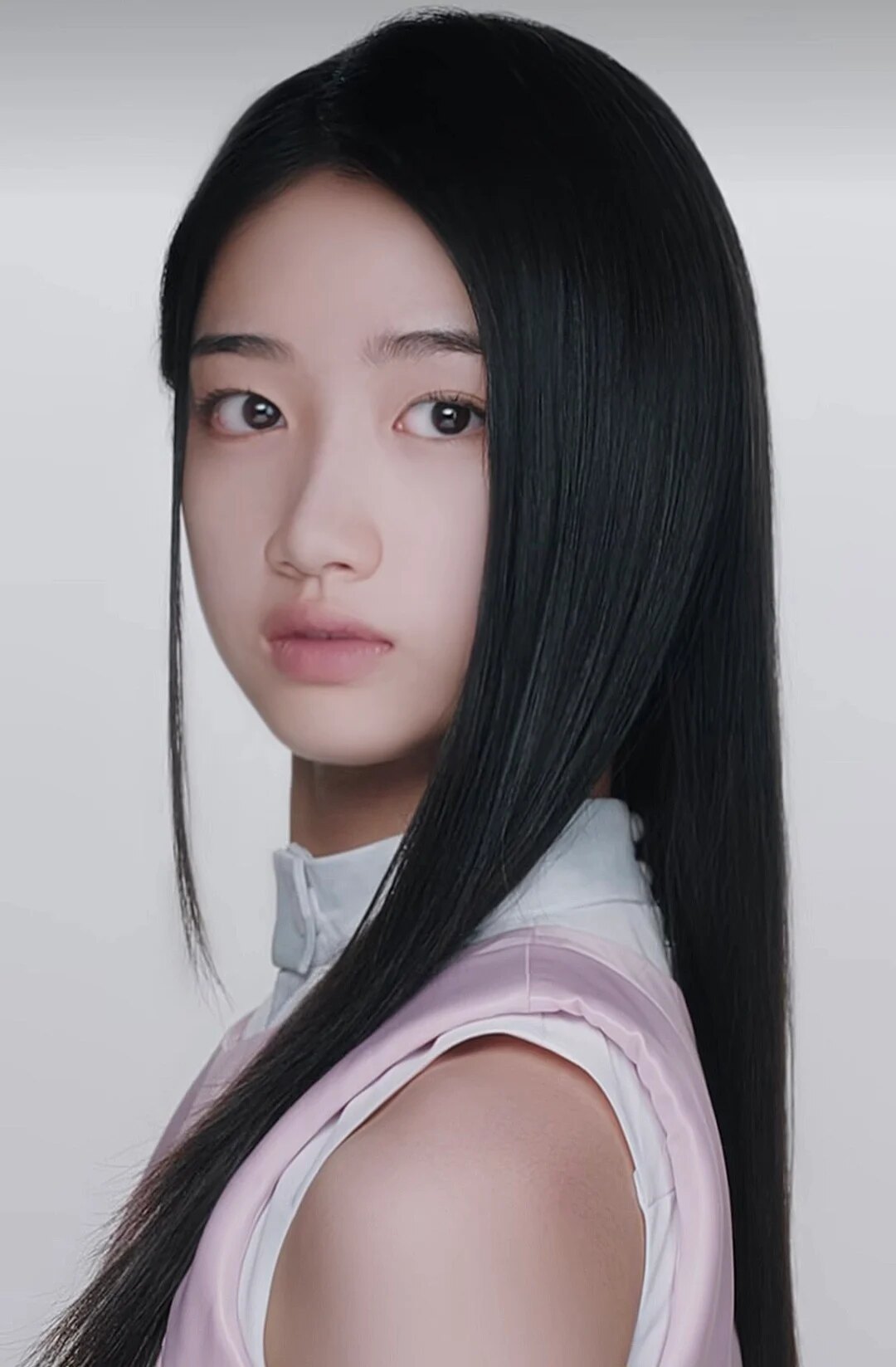
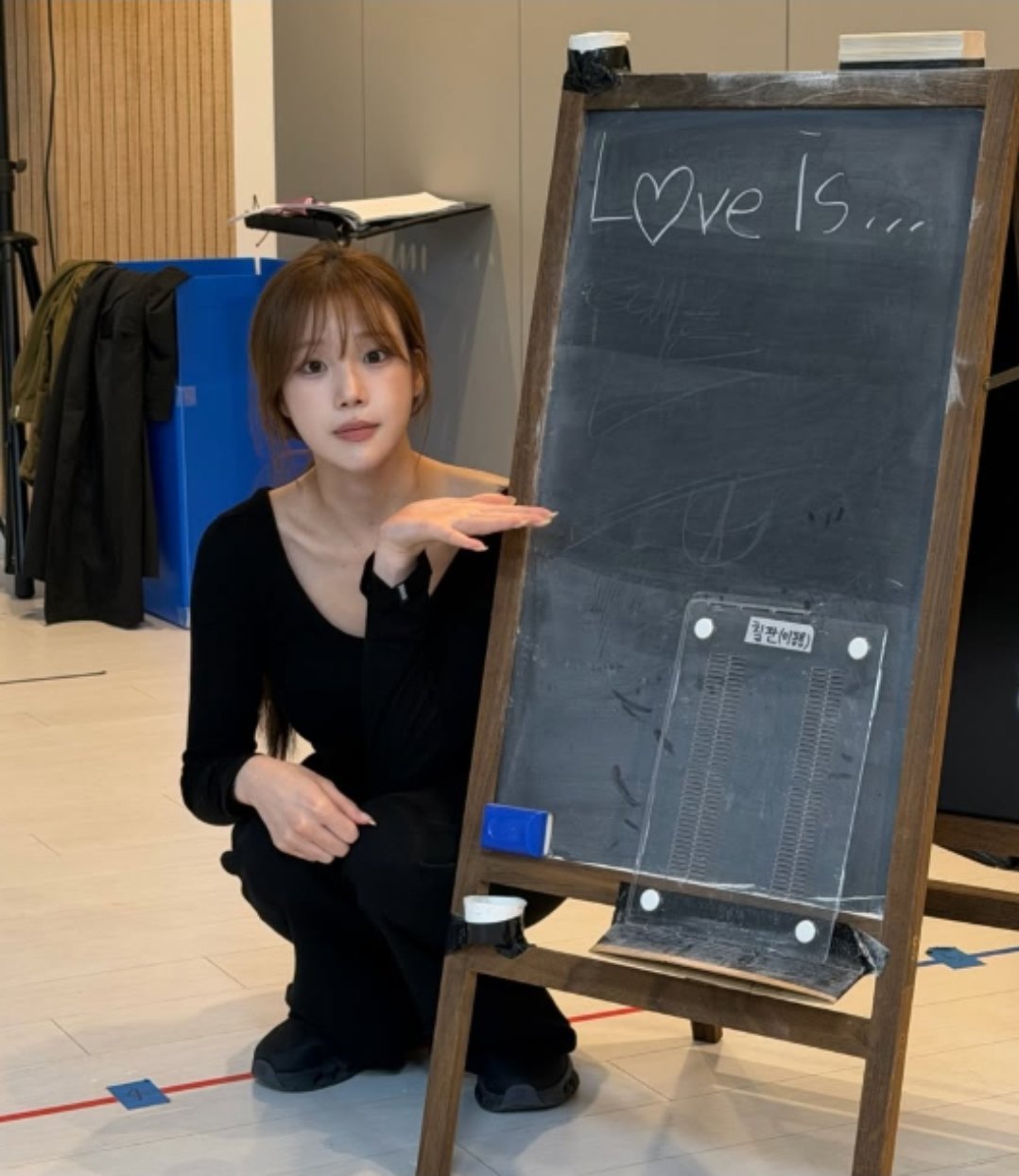
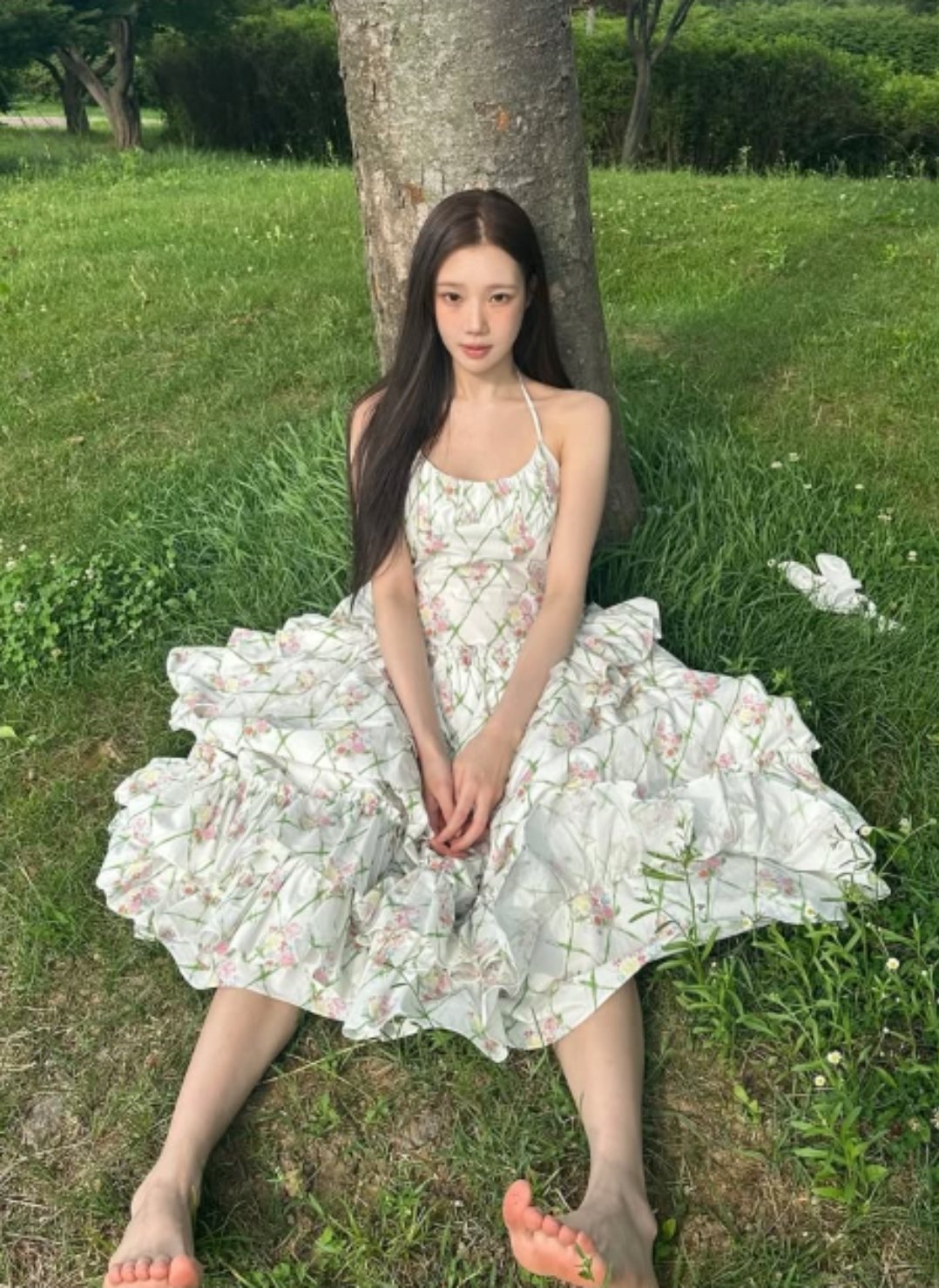
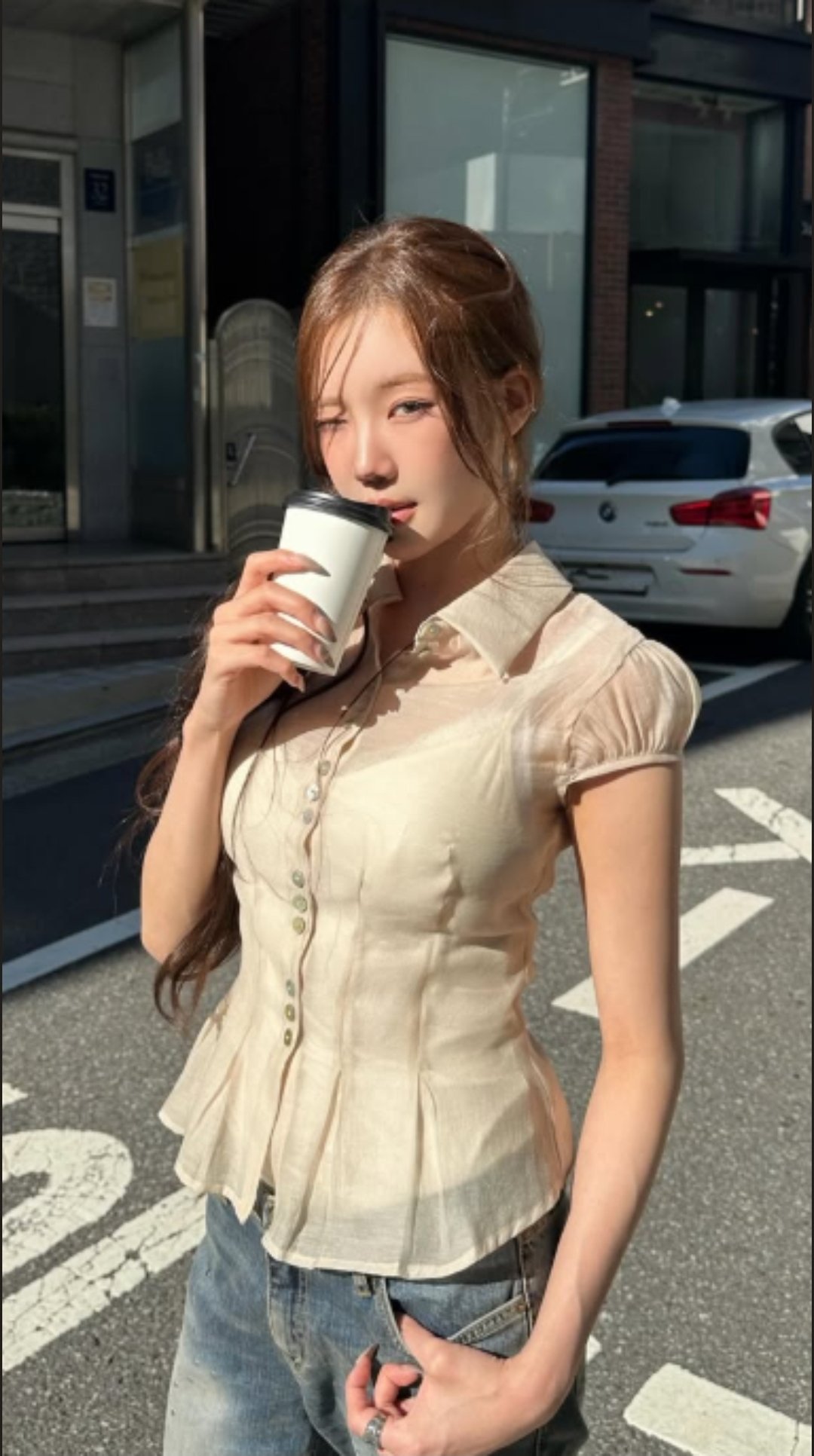
Photos comparing MOMOLAND's JooE during her debut era with more recent images circulated widely on X on 29 October, in a post that Koreaboo reported had drawn a substantial response. The comparison set early pictures associated with her idol-era cute, bubbly presentation against newer photographs described as showing a more mature and sophisticated look.
The gap between the two sets of images was the whole point of the post, and the replies filled up accordingly. Some users were taken aback, others were complimentary, and at least one was openly doubtful. Koreaboo's report gathered reactions in Korean and in translation, and the spread of responses is the reason the story travelled at all.
It is worth being precise about what is actually in front of readers here. There is a comparison post, there are photographs from different periods, and there is a large volume of replies. There is no verified explanation for any change in how JooE looks across those photographs, and nothing in the reporting establishes one.
What the replies actually said
The responses were not a single chorus. One user asked, in effect, whether all four photographs could really be of the same person. Another concluded simply that she had changed a great deal. A third said she looks better now than in the older pictures, framing the comparison approvingly.
A more sceptical reply went the other way. That user argued she looks closer to the debut-era image when she appears on broadcast, and accused her of editing her photos heavily. That is one person's claim about images they have seen, not an established account of how any photograph was made.
Keeping those strands separate matters. A viral post described as drawing a massive response can flatten into a single mood when it is summarised, but the thread Koreaboo documented contains praise, surprise and suspicion sitting side by side. Readers looking for a verdict on JooE's appearance will not find one in the replies, because the replies do not agree with each other.
Why the before-and-after format travels so fast
Comparison posts are one of the most efficient formats on social media, and K-pop generates them constantly. Two images, side by side, do the work of an argument without making one. The reader is invited to draw a conclusion before they have read a word, and the reply box is right there.
The format also has a built-in engine for disagreement. Someone sees a striking difference and posts about it. Someone else insists the difference is overstated. A third person points at lighting, styling or camera angles. Everyone can be a participant without needing any specialist knowledge, which is precisely why these threads grow.
For an artist, that means a single fan-assembled collage can set the terms of a conversation for days. The images may have been chosen to emphasise contrast, but once the post is circulating, the selection logic disappears and the contrast becomes the story. That is a fairly ordinary feature of how social platforms work, and it is worth remembering when a comparison is described as proof of anything.
A photograph is not a person
There is a practical point that tends to get lost in these discussions. Photographs taken years apart differ for a long list of reasons that have nothing to do with a person's private life. Styling changes, make-up trends move on, lighting setups differ, camera lenses and phone processing vary, and images released publicly are frequently retouched to some degree.
None of that settles what any individual is doing in any individual picture, and it is not K-Beats' place to guess. Claims about procedures, diets, health or private decisions require evidence that a comparison post and its replies simply do not provide. Describing what is visible in published photographs is one thing; treating those photographs as a diagnosis is another.
The accusation of heavy editing in the thread is a good example of the limits here. It is a user's assertion about images they have seen on a screen, and it cannot be verified from the reporting. It belongs in the story as a reaction, not as a finding.
Why JooE in particular draws this attention
JooE is known to listeners as a member of MOMOLAND, and the post uses her debut-era image as its reference point. That framing depends on a specific kind of familiarity: readers are being asked to remember how she looked at the start and to measure the present against it.
That memory is exactly what makes a comparison post land. Audiences build a mental picture of an artist from a particular period, often the one where they first noticed them, and any later image gets filtered through it. When the distance between the remembered picture and the current one is wide, the reaction is immediate even before anyone has thought about why.
The source report also frames the newer images as a departure from the earlier image rather than an extension of it, which is the sort of narrative shorthand that makes a post shareable. Whether that arc is flattering, unsettling or simply neutral depends entirely on who is doing the looking.
Praise can be just as appearance-focused as criticism
One of the more interesting aspects of the thread is that the positive reactions and the sceptical ones share the same centre of gravity. Compliments about how much better someone looks, and accusations about how photographs were made, both treat appearance as the most important thing about the person in the frame.
That pattern shows up repeatedly in K-pop coverage. Enthusiastic responses to an artist's photographs can slide into appearance-focused praise that leaves little room for anything else, as with recent discussion of TWICE's Jeongyeon. Debates over younger idols can turn into appearance speculation that fans end up pushing back on. The same instinct turned up again in reactions to T.O.P's airport photos, where the commentary centred on how he looked rather than where he was going.
None of this means readers should stop noticing that an artist looks well. It means the interesting question is usually one step to the side of the comparison itself: what changed in the styling, the image-making, the era, and what the audience is being invited to feel about it.
The takeaway
A viral before-and-after post about JooE has produced exactly the mix of reactions these threads usually produce: surprise, compliments, doubt and a claim about editing that cannot be checked from the outside. What it has not produced is any verified account of why the images differ, and the reporting does not offer one.
The more useful conversation sits in the space between the photographs. Styling eras, image-making and the way audiences hold on to a debut-era picture are all fair topics, and all of them can be discussed without making claims about someone's body or private choices. That is the line worth holding when the next comparison post arrives, as it inevitably will.