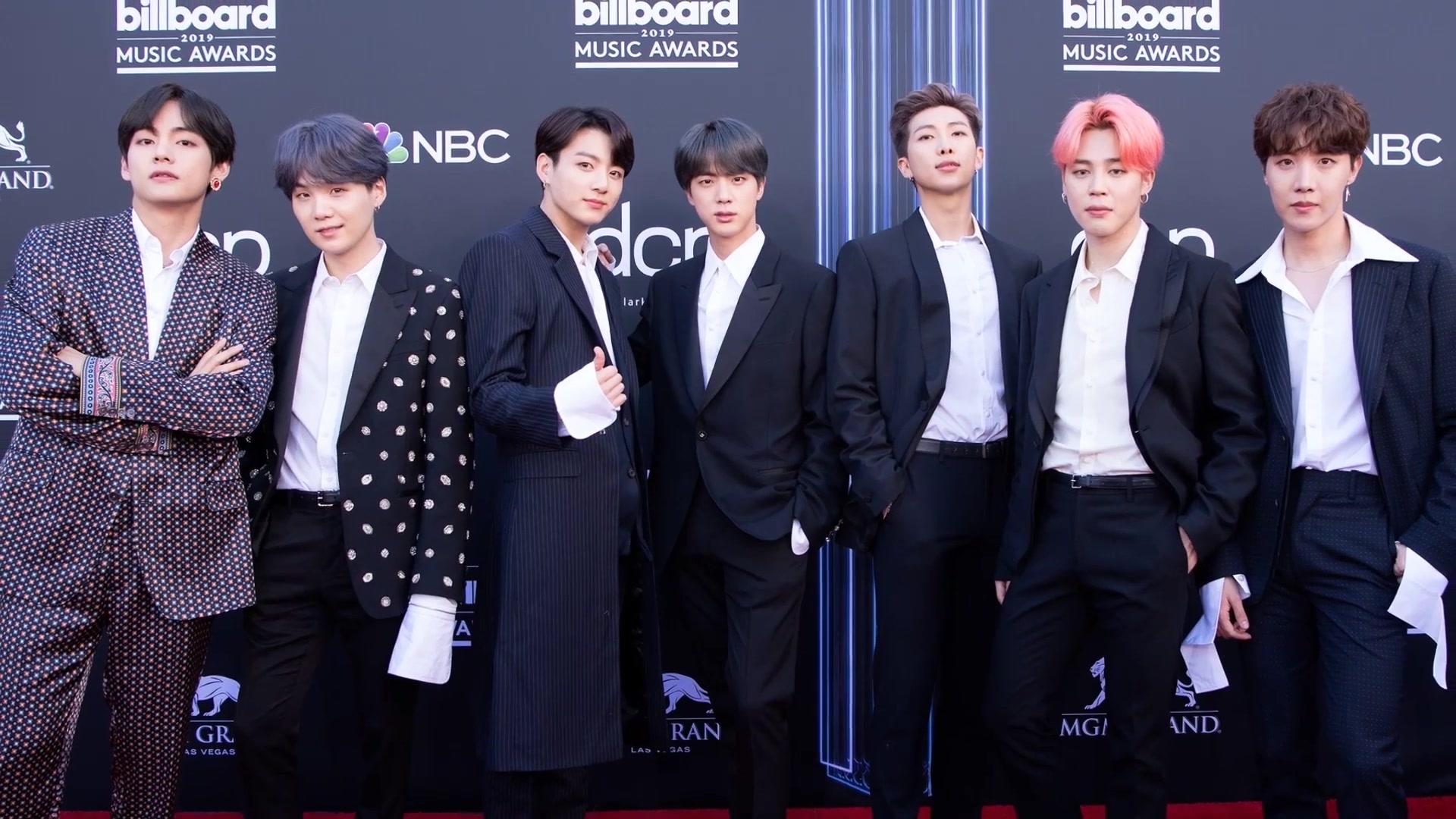

J-Hope's Remark at the Final Peru Concert
On 10 October, KST, BTS performed the final of three concerts in Peru as part of their ARIRANG World Tour. During the show, J-Hope made a remark in Spanish that was quickly translated and shared online. According to Koreaboo, he said that Peru is the country that likes BTS the most. The comment was met with cheers from the live audience, and clips of the moment circulated widely on social media.
For many Peruvian fans, the remark felt like a heartfelt acknowledgement. It appeared to validate their dedication and the intense reception BTS had received throughout their stay. However, the positive reception was not universal. Almost immediately, a wave of sceptical comments emerged, with some fans questioning whether the sentiment was genuine.
This article examines the context surrounding J-Hope's comment, the controversies that preceded it, and the divided reactions it provoked. By looking at the events of the Peru stops and the dynamics of BTS's global fandom, we can understand why a few words spoken on stage became a hot topic online. The episode offers a case study in how artist-fan interactions can be both deeply meaningful and highly contested.
The speed with which the remark travelled from the concert venue to global timelines illustrates the power of social media in shaping narratives around K-pop artists. What might have been a fleeting moment of connection became a subject of debate, with fans parsing J-Hope's words for signs of sincerity or obligation. The reaction also highlighted the extent to which BTS's every public statement is scrutinised, not just by fans but by a wider online audience.
The superlative phrasing itself – the country that likes BTS the most – invited comparisons and disagreement, as such claims inevitably do.
Koreaboo's report framed the remark as a hot topic, and the range of responses confirms that it touched a nerve. The comment was not made in a vacuum; it followed days of tension around the group's presence in Peru. Understanding that backdrop is essential to making sense of why a compliment could be read as both a balm and a provocation.
The ARIRANG Tour's Troubled Peru Stops
Peru was one of the few countries to receive three dates on the ARIRANG World Tour, a testament to the strength of BTS's fanbase there. Yet the stops were not without difficulties. Koreaboo reported that while the concerts themselves were an amazing experience for fans, there was constant overcrowding outside BTS's hotel and repeated invasions of privacy. These issues became pain points for both the artists and the fans who witnessed them.
Overcrowding at hotels is a familiar challenge for touring K-pop acts. When fans gather in large numbers at an artist's accommodation, it can create safety risks, disrupt other guests, and leave the artists feeling confined. For BTS, whose global fame attracts intense attention, such scenes have occurred in various cities. The Peru dates, however, seemed to bring the problem into sharper focus, partly because of the number of concerts and the length of the group's stay.
Three shows in one country meant an extended period in the same city, giving fans more opportunities to congregate outside the hotel.
The situation in Peru also raised questions about the limits of fan behaviour. While most fans are respectful, a minority can create an environment that feels threatening or overwhelming. The constant presence outside the hotel may have been intended as a show of support, but it also encroached on the artists' private time. This tension between fan enthusiasm and personal boundaries is a recurring theme in K-pop, and it set the stage for the subsequent controversies.
The fact that fans themselves were pained by the situation suggests a split within the fandom about appropriate behaviour. Some fans may have felt that the crowds were excessive, while others saw them as a natural expression of devotion. This internal disagreement would later resurface in reactions to RM's and J-Hope's comments. The Peru stops thus became a microcosm of a larger debate: how much access should fans have to artists, and who gets to decide the line?
RM's Weverse Post and the Backlash
Before J-Hope's remark, RM attempted to address the hotel crowds through a post on Weverse, the fan communication platform. According to Koreaboo, the post was intended to call out the behaviour, but it backfired when many fans interpreted it as a specific jab against South American fans. The wording, or perhaps the timing, led some to feel that RM was criticising an entire region rather than a specific group of people.
The backlash was swift. Fans who felt targeted expressed disappointment and anger, arguing that the post was unfair and that it ignored the positive aspects of South American fandom. The incident illustrated how difficult it can be for artists to set boundaries without causing offence. Even a general request for privacy can be read as a regional critique, especially when it comes from a Korean artist addressing a foreign fanbase.
Weverse, as a platform, amplifies this risk because posts can be screenshotted and shared far beyond the app's community, often without the full context.
The situation escalated further when, during the second day of the Peru concert, RM took a moment to address serious allegations of xenophobia against him. Koreaboo reported that this sparked heated debates. The allegation of xenophobia is a serious one, and RM's decision to speak about it on stage suggests that the criticism had affected him. However, his response did not resolve the issue for all fans; some felt it was defensive, while others appreciated his willingness to engage.
The episode showed that once a controversy gains momentum, it can be difficult to control the narrative, no matter how sincere the attempt.

J-Hope's Comment as a Response or a Standalone Gesture?
J-Hope's remark came on the third and final night in Peru, after the hotel controversy and RM's on-stage address. The timing led some fans to connect the two events, interpreting J-Hope's words as a form of damage control. Koreaboo reported that many fans claimed the comment was not genuine and that he probably felt obligated to say it. The implication was that he was trying to smooth over the earlier tensions by offering exaggerated praise.
It is impossible to know J-Hope's true intentions. He may have been genuinely moved by the reception in Peru and wanted to express his gratitude. He may also have been aware of the criticism and hoped to mend fences. Both possibilities can coexist. The problem is that in the absence of clear evidence, fans project their own assumptions onto the remark.
J-Hope is often perceived as one of the more upbeat and affectionate members of BTS, which may have made the comment seem more natural to some fans but also more calculated to others who were already primed for scepticism.
The line between genuine sentiment and public relations is often blurred in K-pop. Artists are expected to express love for their fans regularly, and those expressions are part of the industry's emotional economy. When such comments follow negative publicity, they are more likely to be viewed with suspicion. J-Hope's use of Spanish could be seen as an extra effort to connect, but it also made the remark more quotable and therefore more scrutinised.
The context turned a simple compliment into a Rorschach test for fans' feelings about the tour's controversies.
It is worth noting that J-Hope did not explicitly reference the hotel situation or RM's post. He simply offered praise. But in the highly charged atmosphere of the Peru stops, even a straightforward compliment could not be heard in isolation. The remark became a vessel for pre-existing frustrations and hopes, which is why it generated such a wide range of interpretations.
Divided Fan Reactions: Touching Moment or Damage Control?
The reaction to J-Hope's comment split along familiar lines. For many Peruvian fans, it was a touching moment that made them feel seen and appreciated. They shared clips and expressed gratitude, viewing the remark as a validation of their passion. For them, the comment was a highlight of the concert and a memory to cherish. Their responses emphasised the emotional connection they felt with J-Hope and the group as a whole.
On the other side, a vocal group of fans responded with scepticism. Koreaboo cited tweets suggesting that J-Hope said it because it was the last time BTS would come to Peru, or that Peruvian fans had pressured him into it. Some comments implied that not saying it would have led to accusations of xenophobia. Others dismissed the remark outright as a lie.
These reactions were not confined to any single region; they came from fans around the world, and they played out across Twitter, TikTok and other platforms, with each space developing its own tone and arguments.
The division reflects a broader scepticism within fandom about artist statements, especially when they follow negative press. Fans who feel that their behaviour is being criticised may be more likely to doubt the sincerity of subsequent praise. At the same time, fans who feel a strong connection to the artist may defend the comment fiercely. This dynamic can create friction within the fandom, as different groups compete to define the narrative.
The debate also revealed how quickly a positive moment can be reframed as a cynical manoeuvre, depending on the observer's starting point.

The Authenticity Question in K-Pop Fandom
K-pop fandom often places a high premium on authenticity. Fans invest emotionally in their favourite artists and want to believe that expressions of love and gratitude are sincere. The industry, however, also encourages artists to maintain a positive, grateful persona, which can make it difficult to distinguish genuine feeling from professional obligation. This tension is not new, but it is heightened when artists are caught in controversy.
When an artist makes a comment that seems tailored to a specific audience or situation, fans may question whether it is heartfelt or performative. In J-Hope's case, the fact that he spoke in Spanish and specifically praised Peru made the remark feel personal. But the timing, coming after criticism, gave ammunition to those who saw it as strategic. The authenticity question is further complicated by the language barrier and the role of translation.
Fans reading translated versions of the comment may miss nuances in tone or delivery, and different translation accounts can frame the same words in subtly different ways.
The concept of fan service is relevant here. In K-pop, fan service refers to interactions and statements designed to make fans feel special, and it is a expected part of an artist's public role. Fan service can be genuine and performed at the same time; artists may sincerely enjoy pleasing their fans while also understanding that such gestures are part of their job. The problem arises when fans suspect that a particular instance of fan service is purely transactional.
J-Hope's remark may have been both a sincere expression and a diplomatic move, but the debate treated it as an either/or question.
The debate over J-Hope's sincerity is ultimately unanswerable. Without direct insight into his thoughts, fans can only speculate. What matters for the fandom is how such debates affect the community. They can erode trust and create divisions, or they can lead to more open discussions about the pressures artists face. In this case, the conversation has highlighted the impossible standards to which artists are sometimes held: they are expected to be genuine at all times, yet also diplomatic, and any misstep is magnified.
Artist Privacy, Fan Behaviour, and the Limits of Fandom
The Peru controversy is rooted in a fundamental conflict between fan enthusiasm and artist privacy. Overcrowding at hotels is not just an inconvenience; it can be frightening and disruptive. When fans gather in large numbers, they may inadvertently block exits, create noise, and make it difficult for artists to move freely. For the artists, this can feel like a loss of control over their own environment, and it can turn what should be a restful break between shows into a source of stress.
From the fan perspective, the desire to be near an artist is often driven by devotion. Some fans may feel that their presence is a harmless expression of support, especially if they have travelled long distances. Others recognise that boundaries are necessary and may criticise those who cross them. The debate over RM's post showed that fans are not monolithic in their views on this issue. Some supported his request for privacy, while others felt it was an attack on their dedication.
This split makes it difficult for fan communities to self-police, as there is no consensus on what constitutes acceptable behaviour.
BTS have spoken about privacy before, but specific incidents like the one in Peru put pressure on them to respond in real time. Their responses can inadvertently create new controversies, as seen with both RM's Weverse post and J-Hope's on-stage comment. The episode raises questions about how artists can effectively communicate boundaries without alienating their fanbase. It also highlights the need for better security and crowd management at tour stops, though those are logistical solutions rather than emotional ones.
Some fan organisations have attempted to establish guidelines for behaviour at hotels and airports, but enforcing them across a global fandom is challenging.
Ultimately, the responsibility for respecting artist privacy lies with individual fans. The Peru episode may serve as a cautionary tale, showing how a minority can create an atmosphere that affects everyone, including the artists and the majority of well-behaved fans. It also underscores the need for empathy on both sides: artists must understand the depth of fan devotion, and fans must recognise that their idols are also people who need space and safety.
Social Media Amplification and the Lifecycle of a Controversy
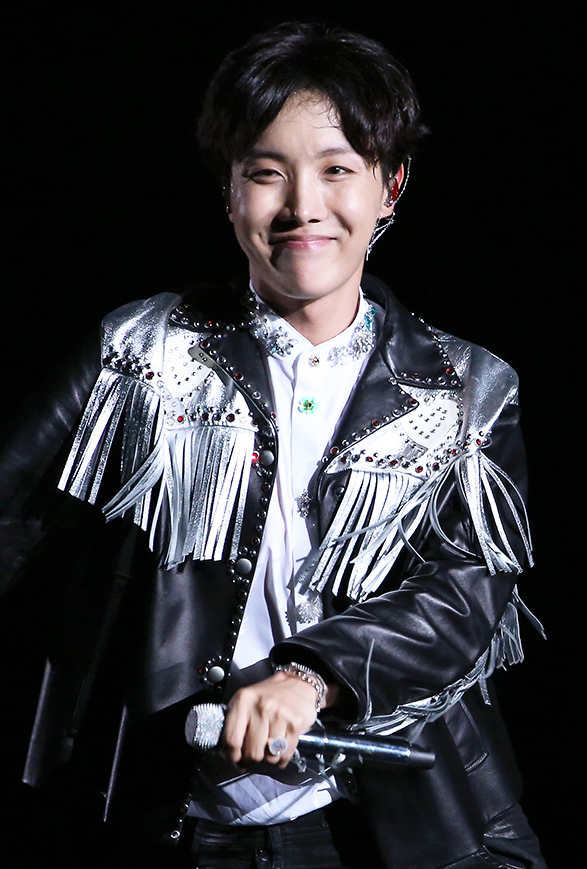
A remark made in a concert becomes a clip, then a tweet, then a trending topic. This is the lifecycle of a modern K-pop controversy. The initial context, including the atmosphere in the stadium and the artist's tone, is often lost in the process. Reactions are based on second-hand accounts, translated snippets, and the interpretations of influential accounts. By the time most fans encounter the story, it has already been framed in a particular way, and that framing can be difficult to challenge.
Social media platforms reward engagement, and polarising content tends to travel further. The most critical or defensive responses may get more visibility than nuanced ones. This can create an impression that the fandom is more divided than it actually is. In J-Hope's case, the sceptical tweets were widely shared, but so were the supportive ones. The algorithm does not care about accuracy; it cares about interaction. As a result, the controversy may have seemed larger and more intense than the actual feelings of most fans.
Some observers have suggested that outside actors, including anti-fans or people with no stake in the fandom, may amplify controversies by stoking anger on both sides. This is difficult to verify, but it is a recognised phenomenon in online spaces. For BTS, whose fandom is enormous and highly active, this process is almost inevitable. Any public statement can become a global discussion within minutes. The group's members are aware of this, which may make them more cautious or, conversely, more determined to speak their minds.
The Peru episode shows that even a well-intentioned comment can be swept up in a larger narrative. The challenge for fans and artists alike is to navigate this environment without losing sight of the music and the live experience that sparked the conversation in the first place. It is easy to forget that the original moment was a concert, not a debate, and that the vast majority of attendees went home with positive memories.
What This Means for BTS and Their Global Tour
The Peru episode illustrates the challenges of touring with a fandom as passionate and global as BTS's. Every stop brings opportunities for connection and risks of misunderstanding. The group's members must balance their desire to engage with local fans against the need for privacy and security. When those needs conflict, as they did in Peru, the result can be a public relations dilemma that no amount of stage charisma can easily solve.
The fact that J-Hope's comment was intended as a positive gesture, yet still generated debate, shows how narrow the path can be.
As the ARIRANG World Tour continues, similar situations may arise. Different regions have different cultural expectations around fandom behaviour, and what is considered acceptable in one place may be seen as excessive in another. BTS and their team will need to adapt their approach while remaining consistent in their messages. The lessons from Peru may inform how they handle future stops, though it is too early to say what changes, if any, will be made.
It is also possible that the intensity of the reaction was specific to the unique circumstances of the Peru dates, including the length of the stay and the pre-existing tensions.
Ultimately, there is no simple solution. J-Hope's comment was likely intended as a positive gesture, but it became caught in a larger conversation about fan behaviour, artist sincerity, and the pressures of global fame. The debate is unlikely to be resolved soon, but it offers a window into the complex dynamics of modern K-pop fandom. For fans, the challenge is to support their favourites while respecting their boundaries. For artists, the challenge is to express gratitude without feeding the cycle of speculation.
The Peru concerts will be remembered for many things, but the controversy surrounding a few words may linger longest. Yet it is worth remembering that the tour is first and foremost a musical event, and that the connection between BTS and their fans remains the foundation of their success. How that connection is managed in the age of social media will continue to be a defining question for the group and for K-pop as a whole.