
Introduction: The Incident in Seattle
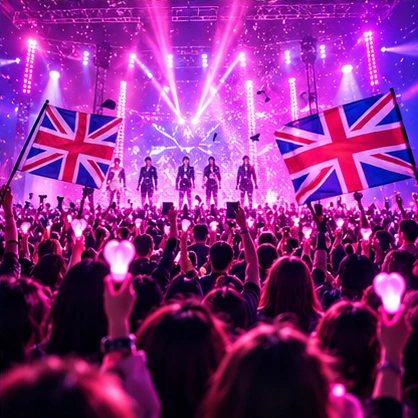
On the evening of October 9, 2026, fans at aespa's Seattle concert witnessed an unexpected turn of events when Giselle left the stage midway through the performance. The reason was health-related, as later confirmed by the group's agency, SM Entertainment. The show continued with the remaining members—Karina, Winter, and Ningning—who finished the concert without her. Soompi was among the first to report the incident and SM's subsequent statement, bringing the news to a global audience.
The incident occurred during what is undoubtedly a high-energy performance, typical of aespa's dynamic stage presence. Giselle's sudden exit was not part of the script, and it quickly became clear that she would not return. For fans, the moment was both worrying and disappointing, as many had travelled to see the full group. The immediate focus, however, was on Giselle's wellbeing, and the atmosphere in the venue shifted from excitement to concern.
Such moments remind us that behind the polished choreography and dazzling lights, K-pop artists are human beings subject to the same frailties as anyone else. The pressure to deliver a perfect show can be immense, but health must ultimately come first. This incident serves as a stark illustration of that principle, and it has sparked conversations about the realities of touring life.
SM Entertainment's Official Statement
Shortly after the incident, SM Entertainment released a statement in English, addressing the situation directly. The agency explained that Giselle had experienced cold symptoms earlier that morning and had received medical attention. Initially, her condition seemed to improve, and she made the decision to perform as planned. This detail highlights the artist's willingness to push through discomfort for the sake of the show and her fans.
However, after the opening performance, her condition deteriorated significantly. Following discussions with the medical team and on-site staff, it was decided that she could not continue with the remainder of the show, including the scheduled Hi-Bye and Send-Off events. SM apologised to fans who had come specifically to see Giselle, and assured that the Hi-Bye and Send-Off would proceed with the three other members.
The statement concluded with a commitment to ensuring Giselle receives the rest and care needed for a full recovery. This prompt and transparent communication is noteworthy, especially given the international nature of aespa's fanbase. By providing a clear timeline and explanation, SM helped fans understand the difficult decision-making process that led to Giselle's withdrawal.
The Difficulty of the Decision and Artist Welfare
The sequence of events described by SM underscores the challenging nature of such decisions. Giselle's initial improvement offered hope, and her choice to perform demonstrates a strong commitment to her fans and her role in the group. Yet, the rapid worsening of her condition after the opening performance forced a reconsideration. The involvement of a medical team indicates that health assessments were ongoing, and the final call was made with professional advice.
In the K-pop industry, where artists often face immense pressure to perform despite personal hardship, this incident serves as a reminder that health can be unpredictable. The decision to withdraw Giselle from the show, while disappointing for fans, was ultimately the responsible one. It reflects a growing awareness within the industry that artist welfare must take precedence, even when it disrupts carefully planned events.
This balance between an artist's desire to perform and the need to protect their health is a recurring theme in K-pop. While some may criticise companies for overworking their artists, cases like this also show that protocols exist to pull performers when necessary. The key is ensuring that these protocols are consistently applied and that artists feel empowered to speak up about their condition without fear of repercussions.

The Remaining Members Carry On
With Giselle unable to continue, Karina, Winter, and Ningning completed the concert as a trio. This required quick adjustments to choreography, vocal distribution, and stage formations. Performing without a member is never easy, both logistically and emotionally. The remaining members had to deliver a full show while likely worrying about their colleague backstage.
Their professionalism in carrying on is commendable. It also demonstrates the strength of the group's teamwork and their ability to adapt under pressure. For fans, seeing three members give their all was a testament to aespa's resilience. However, the absence of Giselle was palpable, and the atmosphere was undoubtedly tinged with concern for her health.
The emotional toll on the remaining members should not be underestimated. They had to switch into performance mode while processing their own worry. This kind of situation can bring a group closer together, reinforcing bonds of solidarity. It also gives fans a glimpse of the human side of their idols, who support one another through difficult moments.
The Hi-Bye and Send-Off Events
K-pop concerts often include post-show fan engagement events known as Hi-Bye and Send-Off, where fans can see the artists up close, wave goodbye, or participate in send-off activities. These are highly valued by fans, sometimes requiring additional purchases or special packages. When SM announced that Giselle would not participate in these events, it meant that some fans would miss the chance to see her.
SM's apology specifically acknowledged this disappointment. While health concerns are universally understood, the cancellation of such personal interactions can be a significant letdown, especially for those who may have travelled long distances. The agency's decision to proceed with three members was a compromise, allowing the events to go ahead while respecting Giselle's need to rest.
These fan events are a crucial part of the K-pop concert experience, fostering a sense of closeness between artists and their supporters. Their cancellation for one member is a reminder of the fragility of such carefully orchestrated moments. It also highlights the importance of flexibility and understanding from fans when unforeseen circumstances arise.
The Demands of Global Touring
aespa's Seattle concert is part of their ongoing global touring activities, which involve extensive travel, tight schedules, and repeated performances. Such tours are physically and mentally demanding. Artists often cross time zones, perform multiple shows per week, and have little downtime. This environment can weaken the immune system, making artists more susceptible to illness.
While the specifics of aespa's tour schedule are not detailed in the report, the incident highlights the inherent risks of such a gruelling lifestyle. Cold symptoms, which might be minor for someone with adequate rest, can escalate quickly when combined with the exhaustion of touring. Giselle's case is a stark example of how quickly a performer's health can decline.
The glamour of international tours often masks the reality of fatigue and stress. Artists are expected to maintain peak performance levels night after night, and any sign of weakness can be seen as a failure. This incident challenges that narrative, showing that even the most dedicated performers are vulnerable to illness.

Health Management in the K-pop Industry
The K-pop industry has long been criticised for its intense training and promotional schedules. Artists often debut young and face years of rigorous practice and relentless activity. In recent times, there has been increased discussion about mental and physical health, with some agencies implementing more robust support systems. However, incidents like this show that challenges remain.
The presence of a medical team on site, as mentioned in SM's statement, suggests that some protocols are in place. Yet, the fact that Giselle performed despite initial symptoms and then worsened raises questions about how health is managed on tour. It is a delicate balance: artists want to perform, fans expect to see them, and companies must decide when to prioritise health over obligations.
Some observers have called for more scheduled rest days and better access to healthcare during tours. Others argue that the competitive nature of the industry makes such changes difficult. Regardless, Giselle's situation adds to the ongoing conversation about the need for systemic improvements to protect artists' wellbeing.
Fan Reactions and Expectations
K-pop fans are known for their dedication, often travelling internationally to attend concerts and fan events. When a member is absent, the disappointment is natural. However, the dominant response in such situations is usually supportive, with fans sending messages of concern and well-wishes. The phrase 'get well soon' often trends on social media after such incidents.
While some may feel let down, especially if they purchased specific benefits, most understand that health cannot be compromised. The incident also highlights the emotional connection fans have with their idols; they worry about them as individuals, not just as performers. SM's prompt communication helped mitigate speculation and allowed fans to process the news.
This outpouring of support can be a source of comfort for the artist. It also reinforces the reciprocal relationship between idols and their fans. In times of difficulty, the fan community often rallies together, demonstrating that the bond goes beyond mere entertainment.

The Importance of Clear Communication
SM Entertainment's decision to release a statement quickly and in English is notable. It demonstrates an awareness of the global fanbase and the need for transparency. By explaining the sequence of events—from morning symptoms to the decision to withdraw—the agency provided context that helped fans understand the situation. This kind of communication is crucial in maintaining trust.
At the same time, the statement respected Giselle's privacy by not divulging detailed medical information. Striking this balance is important. The apology to fans and the assurance of care for Giselle were both appropriate. Clear communication can prevent rumours and ensure that the focus remains on the artist's recovery.
In an era where misinformation can spread rapidly online, official statements serve as an anchor of truth. SM's approach here could serve as a model for other agencies facing similar situations. It shows that being upfront, while still protecting the artist, is possible and beneficial for all parties.
Conclusion: Recovery and Resilience
As aespa continue their tour, the immediate priority is Giselle's health. The group will likely adjust as needed, and fans will hope for her swift return. This incident is a reminder that behind the glamour of K-pop, there are real people facing real health challenges. The industry must continue to evolve to better protect its artists.
For now, the thoughts of fans and fellow artists are with Giselle. The support she has received, as evidenced by SM's statement and fan reactions, will hopefully aid her recovery. aespa's resilience as a group has been demonstrated once again, and they will continue to navigate the demands of their career with the wellbeing of their members in mind.
This story, while unfortunate, underscores the importance of health and the strength of community in K-pop. It also serves as a reminder that no matter how polished the final performance, the people behind it deserve care and compassion. As the tour goes on, the hope is that Giselle will return stronger, and that lessons will be learned to prevent similar situations in the future.