Opening: The Powder Keg of Perception
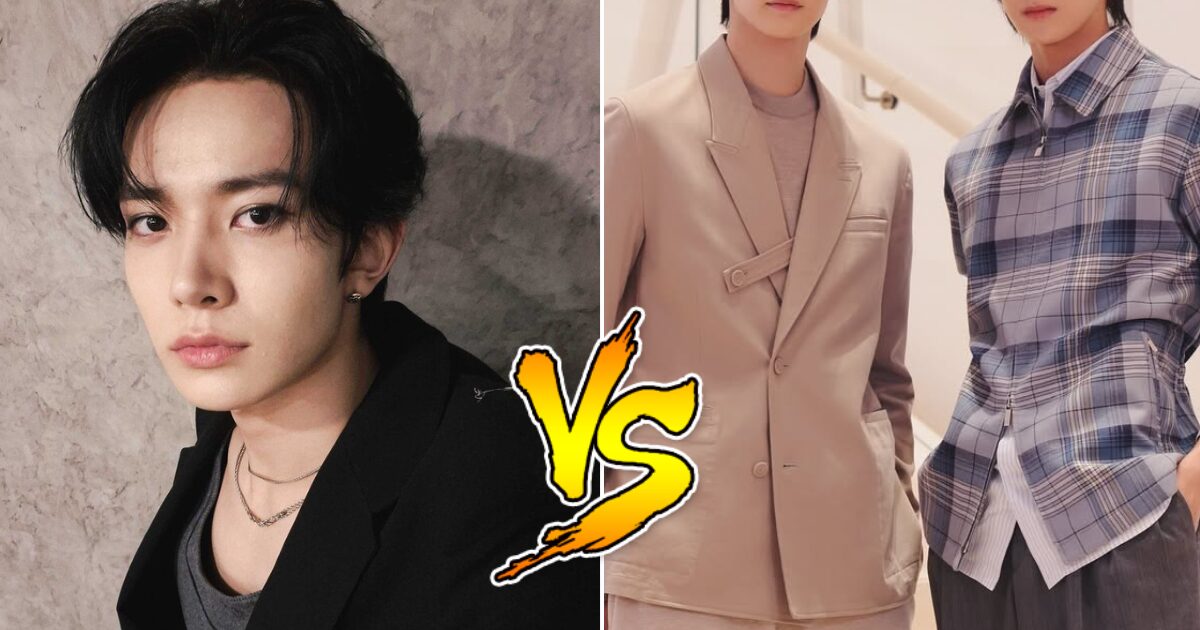
In the meticulously crafted universe of K-Pop, few forces are as volatile or as fiercely defended as the perception of fairness. For agencies, managing the delicate ecosystem of a group’s individual member promotions is a high-stakes ballet of timing, resource allocation, and strategic brand building. For fans, it is often a raw, emotional equation of visibility, opportunity, and respect. This fundamental clash between corporate strategy and fan expectation has ignited a firestorm, with HYBE—the industry's undisputed juggernaut—at the center. The specific flashpoint? The handling of solo activities for ENHYPEN's Heeseung compared to the rollout of solo projects for members of another HYBE group, &TEAM. What began as isolated fan complaints has snowballed into a heated industry-wide debate, forcing a uncomfortable question: is the "HYBE family" treated equally, or does an unspoken hierarchy dictate who gets the spotlight first?
Background: The Artists in the Arena
To understand the current controversy, one must first understand the players. ENHYPEN, formed through the survival show I-LAND in 2020, is a global powerhouse. They are HYBE's bridge between the legacy of BTS and the future, a group that has consistently broken records and cultivated a massive, dedicated fanbase, ENGENE. Within the group, Heeseung holds a pivotal position. Praised as the group's "ace," his standout vocals, stage presence, and foundational role since I-LAND have made him a focal point. ENGENEs have long anticipated his official solo debut, viewing it not as a question of "if" but "when," expecting a grand, high-budget unveiling worthy of his status.
On the other side is &TEAM. Debuted in 2022 under HYBE's Japanese subsidiary HYBE LABELS JAPAN and through the collaborative survival show &AUDITION, the group is building a strong foundation primarily in the Japanese market, with growing international attention. Their model has involved earlier, more frequent, and often collaborative solo or unit-based releases integrated into their group activities. This strategy is not uncommon for groups targeting specific markets or with different developmental blueprints.
The critical context here is trajectory and corporate positioning. ENHYPEN is a crown jewel of HYBE's multi-label system, operating under BELIFT LAB, a joint venture with CJ ENM. &TEAM, while a valued asset, operates on a different label and with a different market-entry strategy. As we explored in our analysis of the shifting landscape, "The Monthly Shake-Up: Which Acts Are Surging and Stalling in K-Pop's 2026 Spring Season?", even within a single conglomerate, groups can be on wildly different strategic paths. This inherent inequality of circumstance is often the kindling for fan disputes.
The Solo Blueprint: A Company's Philosophy
HYBE, learning from the seismic impact of BTS members' solo chapters, has approached subsequent group solo activities with apparent caution. The model for senior groups like SEVENTEEN and TXT has largely been one of patience—establishing the group's identity as an unshakeable fortress before allowing members to build individual citadels. This "group-first, solo-later" philosophy is seen as a way to ensure long-term stability. However, it directly contrasts with the strategy employed for &TEAM, which embraced a more fluid, integrated approach to solo and unit work from a relatively earlier stage. This discrepancy in philosophy is the root of the current conflict.
The News: A Timeline of Triggers
The debate didn't erupt from a vacuum. It has been simmering for months, fed by a series of official announcements and fan observations.
The catalyst was the formal announcement and subsequent rollout of solo songs and projects for multiple members of &TEAM. These were not cryptic soundcloud releases or unofficial covers, but fully produced, promoted tracks, often with accompanying choreography and performance videos, released through HYBE's official channels. For fans of &TEAM (LUNÉ), this was a celebratory moment, a sign of the company's investment and a chance to see their favorite members' individual colors shine.
For a segment of ENGENE, however, it was a profound trigger. Their long-held expectation for Heeseung's solo debut—envisioned as a major, standalone event with extensive promotion—remained unfulfilled. While Heeseung has participated in group songs, OSTs, and has been rightfully highlighted within ENHYPEN's own discography, the lack of a defined, branded "Heeseung Solo Debut" project began to sting in contrast. The comparison points were stark:
- Production Scale: &TEAM members received solo tracks with full music video production. Heeseung's individual work, while praised, was seen as less centrally promoted.
- Narrative Focus: HYBE's promotion for &TEAM's solo endeavors was clear and direct. For ENHYPEN, the narrative remained almost exclusively group-centric.
- Timing: &TEAM, a younger group, had members releasing solo material. ENHYPEN, a more senior and commercially successful group, did not.
Social media became the battleground. Hashtags questioning HYBE's management trended. Lengthy threads contrasted schedules and promotional budgets. The core accusation was "favoritism" or, more damningly, "mismanagement" of ENHYPEN's potential. As one fan put it on an online forum:
"It's not about wanting Heeseung to leave ENHYPEN. It's about wanting HYBE to give him the platform his talent and his years of service have earned. Seeing other artists under the same roof get that platform while he waits makes it feel like a choice, not a strategy."
Fan & Community Reaction: A Fandom Divided
The reaction within the K-Pop community has been multifaceted and intensely passionate, revealing deep fissures in how fans interpret company actions.
The ENGENE Perspective: Frustration and Fear
A significant portion of ENGENE expresses a mixture of hurt, frustration, and protective anxiety. Their argument hinges on justice and recognition. They point to Heeseung's consistent role as a vocal anchor, his contributions to songwriting, and his unwavering professionalism. The fear is that his peak "solo moment" is being unnecessarily delayed, wasting momentum and allowing the public's perception to solidify without this key dimension of his artistry. There is also a strategic concern: solo activities, when done well, can funnel new attention back to the group. They see HYBE as leaving a powerful tool unused. This sentiment mirrors discussions we've seen around other artists waiting for their solo shine, a tension explored in our review of Jang Haneum's solo debut after a long survival show hiatus.
The Counter-Argument: Context and Patience
Not all fans, or even all ENGENEs, agree with the outrage. Many argue that comparing &TEAM and ENHYPEN is an apples-to-oranges scenario. They highlight the different labels, different target markets, and fundamentally different group concepts. &TEAM's model, they argue, was designed from the start to include earlier solo expressions, much like how some groups have sub-units. ENHYPEN's path, following a more traditional HYBE blueprint, is about maximizing the group's global brand before branching out. This camp urges patience, trusting that when Heeseung's solo does arrive, it will be an event of commensurate scale to ENHYPEN's stature. They also warn that internal fandom conflict only hurts the artist, directing energy away from supporting the group's current activities.
The Outsider View: A Systemic Issue
Industry observers and fans of other groups see this debate as a symptom of a larger K-Pop condition. The "solo debut" has become a coveted trophy, a symbol of an idol's arrival as a standalone artist. Disparities in how companies award this trophy inevitably lead to friction. Some commenters draw parallels to other agencies, noting that perceived "favoritism" is a chronic pain point in fandoms for SM, YG, and JYP groups as well. The discussion often expands beyond Heeseung to other ENHYPEN members and even to other HYBE groups, questioning the entire conglomerate's roadmap for individual artistry. For a broader look at how solo ventures are reshaping careers, our analysis of Wonpil's solo work offers a compelling case study in navigating post-group identity.
Industry Analysis: Strategy, Optics, and the True Cost
Beneath the emotional fan discourse lies a complex web of business logic, brand management, and long-term planning. The "Heeseung vs. &TEAM" situation is a perfect lens through which to examine modern K-Pop's corporate machinery.
1. The Divergent Roadmap Theory: The most straightforward analysis is that HYBE is simply executing two distinct plans. &TEAM's integrated solo strategy is a core part of their identity and growth in the Japanese market, where such models have historical precedent. ENHYPEN, as a global pop group, is on the "album-tour-global campaign" trajectory, where solo activities are strategically deployed later, often to reinvigorate the group's narrative after a period of peak group activity. It's not favoritism, but differentiated product management.
2. The Resource Allocation Puzzle: HYBE is a vast corporation, but its resources—from top producers and choreographers to marketing budgets and key time slots on music shows—are finite. A high-profile solo debut for Heeseung would require a massive investment, potentially dwarfing the budget for a &TEAM member's solo. The company must weigh the ROI of such a project against ongoing group commitments for ENHYPEN, TXT, SEVENTEEN, and the launches of new groups. From a cold business perspective, a solo from an already globally successful group member might be seen as a "nice to have," while establishing solo identities for a newer group might be a "need to have" for their growth.
3. The Peril of Poor Optics: Where HYBE may have miscalculated is in the optics of communication. In the social media age, perception is reality. By not clearly communicating a long-term vision for ENHYPEN members' solo careers—even in vague terms—the company allowed a narrative of neglect to fester. Meanwhile, the active promotion of &TEAM's solo work, while correct for that group, served as a constant, painful comparator for anxious ENGENEs. This is a classic crisis of expectation management. As seen with the meticulously managed rollout of a veteran's solo like Irene's "Biggest Fan," clear artistic signaling can preempt fan anxiety.
"Agencies often forget that fans are not just consumers; they are stakeholders in the artist's story. When the agency's writing of that story seems to stall or contradict earlier chapters, it creates a deep sense of betrayal that no chart position can fix," notes a veteran entertainment PR manager we spoke to.
4. The Precedent of Peers: The industry is watching. How HYBE handles this pressure will set a precedent for other fourth and fifth-generation groups. Will the "HYBE model" become one of extended group-only phases, or will it adapt to fan demand for earlier individual showcases? The success or failure of &TEAM's approach and the eventual reception of Heeseung's solo will be case studies for every A&R team in Seoul.
What's Next: Resolution, Resentment, or Reinvention?
This controversy will not dissipate with a simple statement. Its resolution lies in future actions. Several potential paths forward could define the next chapter for both Heeseung and HYBE's approach to solo careers.
The Likeliest Path: A Calculated, Grand Solo Reveal. The most probable outcome is that HYBE sticks to its original, unspoken plan. ENHYPEN will continue their group promotions, likely with another successful world tour or album campaign. Then, in a lull period, the company will announce Heeseung's solo debut with the full force of its marketing machine—a high-concept single, guest production from a renowned name, and lavish promotion. This will be framed as an "event," justifying the wait. It will likely be successful, but a segment of the fandom may always carry the resentment of the "wait," comparing what he received to what they believe he could have achieved earlier.
The Diplomatic Path: Bridging the Gap with "Preludes." To quell unrest, BELIFT LAB might adopt a middle-ground strategy before a full solo debut. This could involve officially promoting a self-composed Heeseung track on streaming platforms, a dedicated solo performance video for a B-side, or a high-profile featuring on another artist's track. These would serve as "solo preludes," acknowledging fan demand and showcasing his individuality without triggering the full machinery of a solo debut campaign. This aligns with some of the more artist-driven solo ventures we track on our Charts page.
The Systemic Change Path: Rethinking the HYBE Solo Blueprint. In a more radical scenario, this controversy could prompt HYBE to re-evaluate its one-size-fits-all approach to senior groups. They may introduce more frequent, officially sanctioned solo content for ENHYPEN members (and groups like TXT) as part of their regular output—special digital singles, performance projects, or mini-albums between group comebacks. This would represent a significant shift towards the more fluid model, acknowledging that in today's fast-paced industry, fan engagement requires constant feeding of new narratives.
Ultimately, the "Heeseung debate" is about more than one idol's timeline. It is a stress test for the relationship between K-Pop's corporate giants and the fan communities that empower them. It questions the balance between artistic patience and creative urgency, between group solidarity and individual ambition. As HYBE navigates this storm, the entire industry will learn a lesson in whether the old rules of idol development still apply, or if the new generation of fans—and artists—demand a different, more immediate kind of recognition. The outcome will resonate far beyond a single hashtag, influencing how agencies manage the most precious and volatile asset they have: an artist's career, and the fans who dream of seeing it reach its full potential. For continued coverage on how these stories evolve, follow our reporting on our News page.